




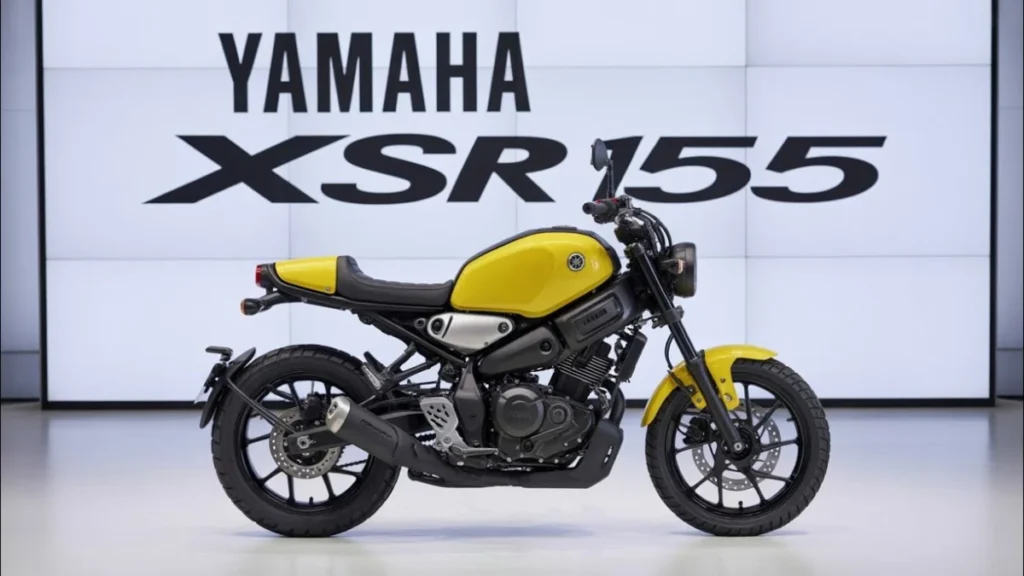
The Yamaha XSR 155 is a standout entry in the neo-retro motorcycle segment, blending vintage styling with modern performance. Designed for riders who appreciate the nostalgia of classic motorcycles but demand the convenience and efficiency of contemporary engineering, the XSR 155 has quickly become a favorite among enthusiasts. With a 155cc liquid-cooled engine, advanced features, and retro aesthetics, this motorcycle is designed to offer both style and substance.
Neo-Retro Styling That Turns Heads

One of the first things that impress about the Yamaha XSR 155 is its timeless design. Yamaha has successfully created a motorcycle that evokes nostalgia while appearing modern and premium.
- The round LED headlamp and tail light give the XSR 155 a classic roadster appearance while providing superior illumination for night riding.
- A teardrop-shaped fuel tank with subtle branding enhances the retro look while giving the bike a muscular and elegant stance.
- The flat, single-piece seat offers a vintage feel and a comfortable posture for both rider and pillion.
- Exposed frame elements and minimal side panels maintain a clean, purposeful appearance, highlighting the bike’s mechanical beauty.
Available in multiple color schemes such as Metallic Grey, Vivid Red, and Matte Blue, the XSR 155 caters to riders seeking individuality and style.
Engine and Performance

The Yamaha XSR 155 packs a 155cc liquid-cooled, single-cylinder engine with Variable Valve Actuation (VVA), which provides a blend of performance and efficiency.
- Power output: Approximately 18–19 PS
- Peak torque: Around 14–15 Nm
- Transmission: 6-speed gearbox with assist and slipper clutch
This setup delivers smooth acceleration, responsive throttle control, and a lively ride, making the motorcycle suitable for city commuting and highway cruising alike. The VVA technology ensures consistent power delivery across different RPM ranges, keeping the riding experience engaging yet manageable.
Handling and Ride Quality
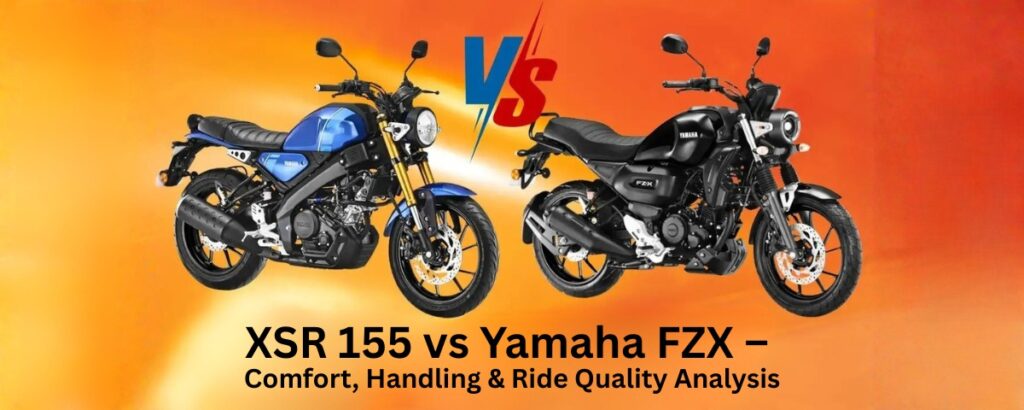
The Yamaha XSR 155 is built on Yamaha’s renowned Deltabox frame, offering excellent rigidity and balance. The combination of upside-down front forks and linked-type rear mono-shock suspension ensures a comfortable ride even over rough surfaces.
- Weight: Approximately 134–137 kg, making it agile and easy to maneuver.
- Seat height: Around 810 mm, offering accessibility for riders of varying heights.
The upright riding position reduces fatigue during long rides and contributes to better control in urban traffic. Whether cornering on twisty roads or cruising on highways, the XSR 155 maintains stability and confidence.
Comfort and Ergonomics
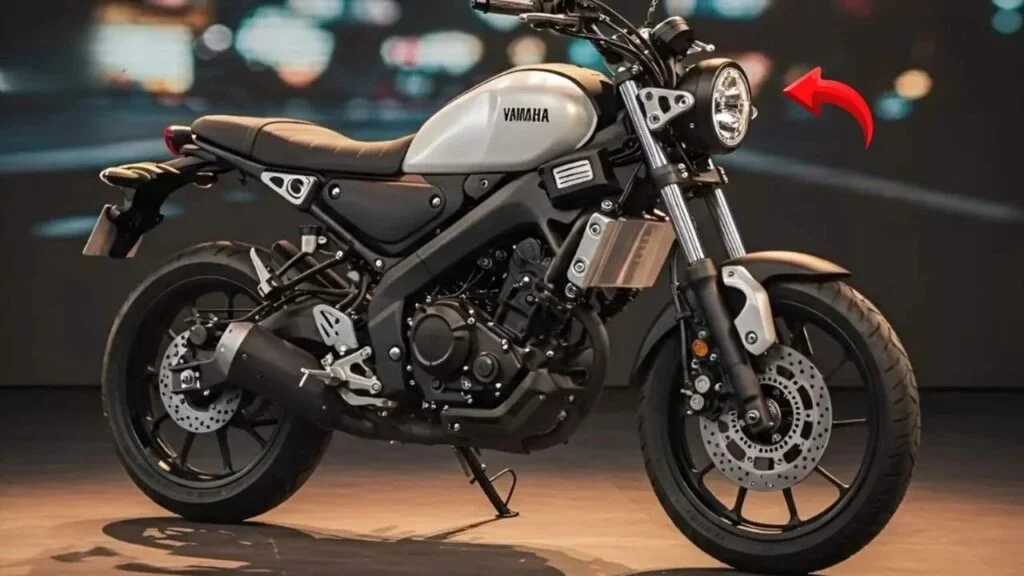
Comfort is a key highlight of the XSR 155. Its flat bench seat and well-placed footpegs provide a natural riding posture. The seat is firm enough for daily commuting yet comfortable for medium-distance rides. The rider-friendly ergonomics ensure minimal strain on the wrists and back, making it suitable for both city streets and weekend rides.
While the pillion seat is adequate for short distances, extended rides may require periodic breaks for passenger comfort. Nevertheless, in the context of its category, the XSR 155 offers well-balanced comfort for both rider and pillion.
Modern Features for Practical Riding

Despite its vintage appearance, the Yamaha XSR 155 comes equipped with modern features designed to enhance safety and convenience.
- Digital LCD instrument cluster: Displays speed, RPM, fuel level, gear position, trip meters, and clock in a clear and legible format.
- LED lighting: Headlamp, tail lamp, and indicators ensure excellent visibility and a premium look.
- Traction control system: Offers better grip on slippery surfaces by reducing wheel spin during acceleration.
- Dual-channel ABS: Provides confidence-inspiring braking performance and prevents wheel lock-up in sudden stops.
- Select variants may also offer smartphone connectivity, enabling riders to monitor ride statistics and notifications.
These features combine practicality with modern convenience while retaining the motorcycle’s classic aesthetic.
Fuel Efficiency and Mileage
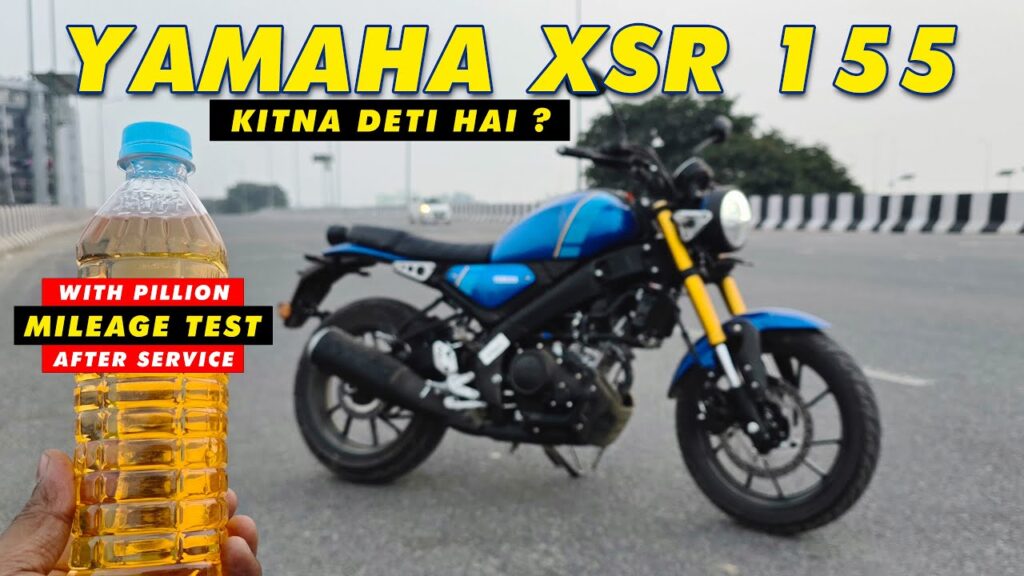
The Yamaha XSR 155 offers impressive fuel efficiency for a performance-oriented motorcycle. Riders can expect 35–50 km/l, depending on riding style and terrain.
With a fuel tank capacity of around 10 liters, the motorcycle offers a practical riding range of 400–500 km per tank, making it suitable for daily commuting and occasional weekend rides. This combination of performance and efficiency makes the XSR 155 highly versatile.
Safety and Braking Performance

Safety is a priority in the Yamaha XSR 155’s design. The motorcycle features disc brakes on both front and rear wheels, delivering strong stopping power.
- Dual-channel ABS enhances rider confidence by preventing wheel lock-up during emergency braking.
- Traction control maintains stability on low-grip surfaces or wet roads, ensuring safer rides in varied conditions.
Together, these systems provide peace of mind for riders while complementing the agile handling and responsive chassis.
Competitors and Market Position

The Yamaha XSR 155 competes in the neo-retro motorcycle segment against bikes such as:
- Royal Enfield Hunter 350
- TVS Ronin 225
- Kawasaki W175
While some competitors feature larger engines, the XSR 155 distinguishes itself with lightweight design, refined performance, fuel efficiency, and modern safety features, appealing to riders who want style, practicality, and reliability.
Pros and Cons

Pros
- Eye-catching retro-modern design that stands out on the road.
- Refined 155cc VVA engine delivering smooth, responsive performance.
- Lightweight chassis and agile handling for city and highway riding.
- Good fuel efficiency with a practical fuel tank capacity.
- Equipped with advanced safety systems, the bike features dual-channel ABS and traction control to keep riders secure in all conditions.
Cons
- Pillion comfort may not be ideal for long-distance touring.
- Some advanced connectivity features may be limited to higher trims.
- Price may feel slightly premium compared to conventional commuter motorcycles.
For full specifications and color options, you can visit the official Yamaha Motor website
For a broader perspective on premium vehicle launches and features, check out our review of the
New Kia Seltos launched in India: price and features