




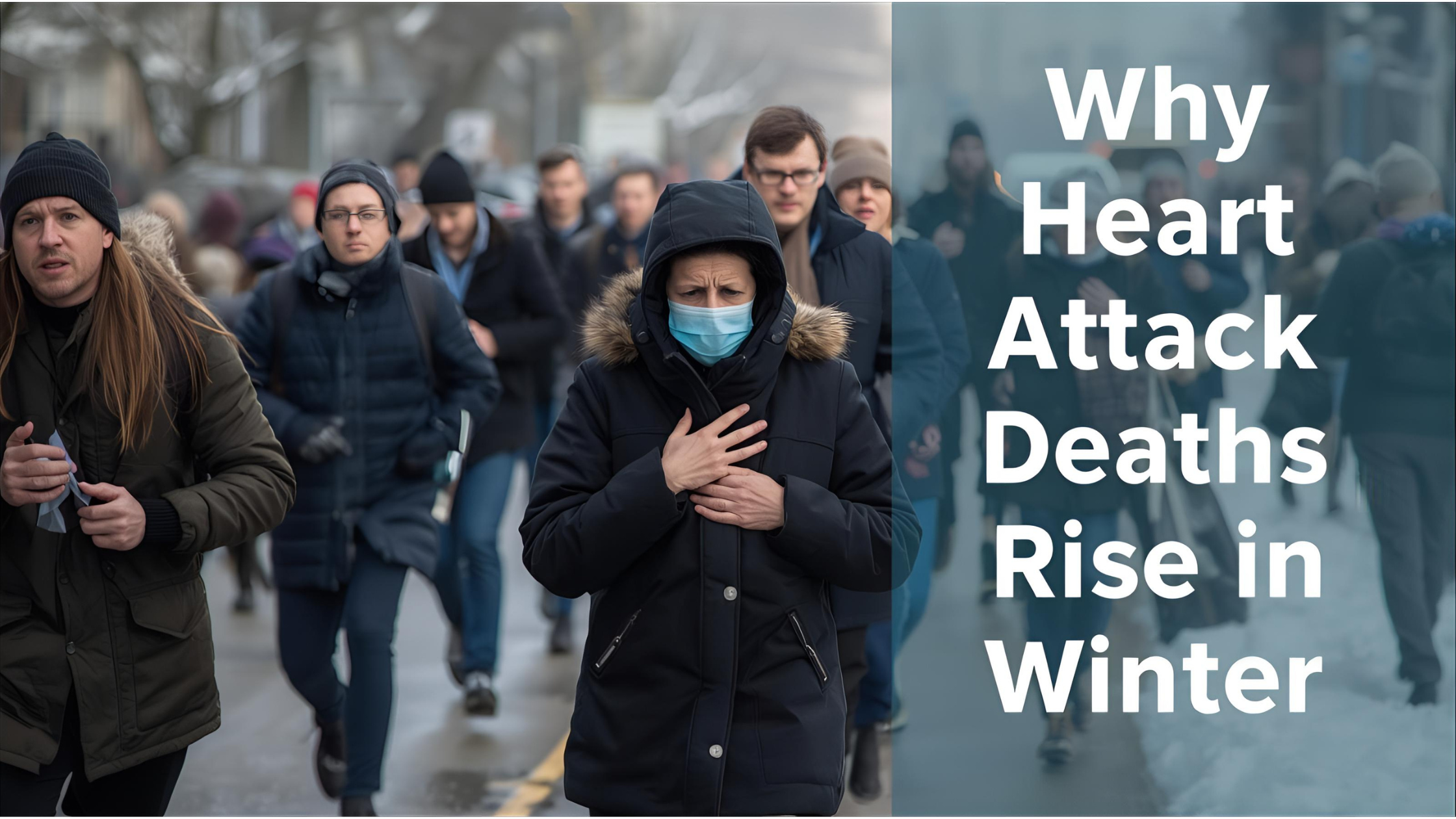
The holiday season brings joy, family gatherings, festive meals, and celebrations. Yet beneath all the sparkle and excitement lies a serious health concern: why heart attack deaths rise in winter. Medical data from around the world consistently show that the last two weeks of December — particularly Christmas Eve and New Year’s Day — see a sharp increase in heart-attack cases. Understanding this pattern helps people take preventive measures while still enjoying the season.
Seasonal Lifestyle Changes and Heart Attack Risk

One reason why heart attack deaths rise in winter is the sudden shift in lifestyle habits. During the holidays, people often indulge in heavy meals, sweets, and alcohol, while reducing physical activity. Dr. Jeremy London, a board-certified cardiothoracic surgeon, explains:
“We drink too much, we eat too much, and we tend to move less around the holidays.”
Large, fatty, or salty meals increase blood pressure and cholesterol, alcohol disrupts heart rhythm, and inactivity reduces oxygen flow, all contributing to the spike in heart attack deaths in winter. Even people without prior heart disease can experience complications due to these lifestyle changes.
Emotional Stress and Holiday Pressures
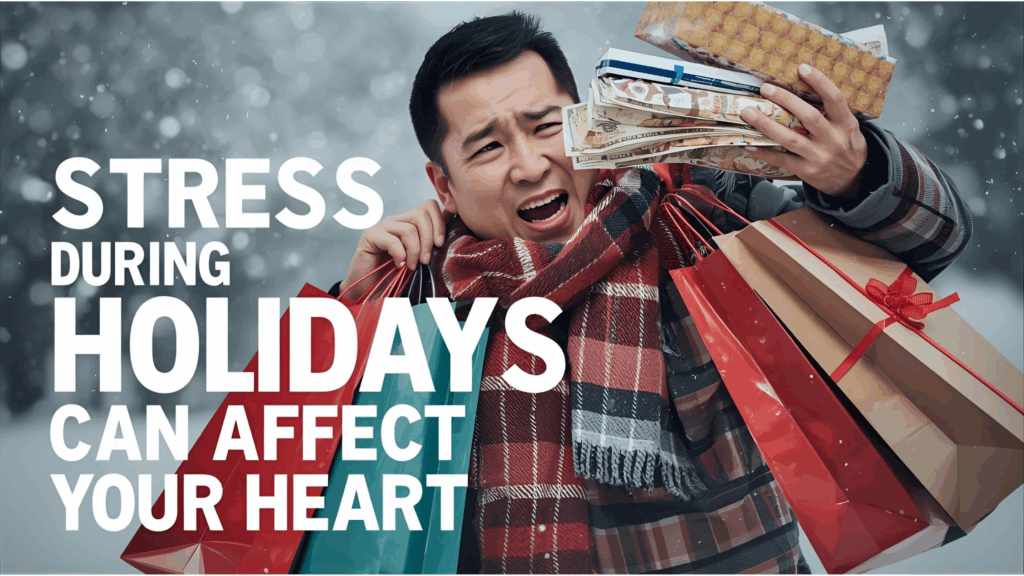
Another key factor in why heart attack deaths rise in winter is stress. Holidays are filled with expectations, travel, financial obligations, and social pressures, which increase cortisol and adrenaline levels. Dr. London highlights:
“Emotional stress, financial stress, and the faster pace of the holidays can strain the heart.”
This elevated stress can trigger sudden cardiac events, especially in individuals with pre-existing conditions, explaining part of the reason why heart attack deaths rise in winter.
Cold Weather Effects on the Heart
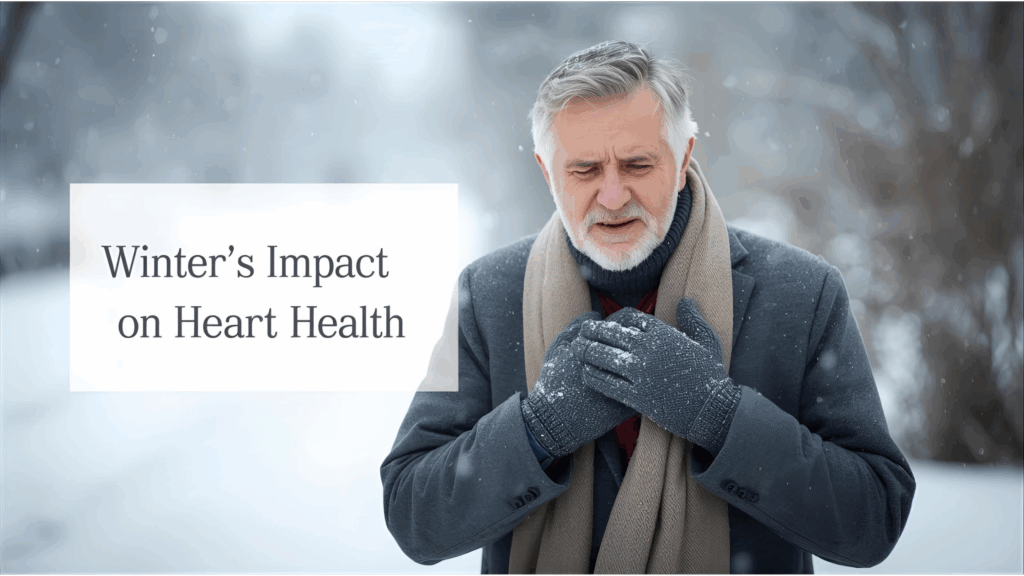
Cold temperatures play a major role in why heart attack deaths rise in winter. When temperatures drop, blood vessels constrict — a process called vasoconstriction — forcing the heart to work harder to pump blood. Dr. London notes:
“Cold weather causes vasoconstriction, which increases the risk of plaque rupture and potential heart attack.”
Winter also leads to less exercise, higher infection rates, and increased blood clotting tendencies, all of which make cardiovascular events more likely. Understanding this physiological stress is central to knowing why heart attack deaths rise in winter.
Delays in Seeking Medical Attention

One more reason why heart attack deaths rise in winter is that people often delay seeking medical help. Holiday festivities and travel schedules make individuals dismiss early warning signs like chest pain or breathlessness. Dr. London warns:
“I don’t feel well but I’ll wait till after the holiday dinner to get checked out.”
Delays in treatment can be fatal, reinforcing why heart attack deaths rise in winter. Every minute counts in reducing heart muscle damage.
Recognizing Symptoms During Winter

Recognizing early warning signs is crucial in understanding why heart attack deaths rise in winter. Common symptoms include:
- Chest pressure or tightness
- Pain radiating to the arm, jaw, or back
- Shortness of breath
- Cold sweats
- Fatigue or lightheadedness
Women may experience subtler symptoms like heartburn-like discomfort, upper abdominal pain, or dizziness. Ignoring these signals is a major reason why heart attack deaths rise in winter.
Who Is Most Vulnerable?
Certain groups are at higher risk, explaining why heart attack deaths rise in winter more dramatically among them:
- Adults over 60
- People with diabetes, hypertension, or high cholesterol
- Smokers and heavy drinkers
- Those who are overweight or sedentary
- People with chronic stress or depression
- Individuals with recent infections
- People with a family history of heart disease
Being aware of these risk factors helps reduce the chance of being part of the statistics showing why heart attack deaths rise in winter.
Preventive Measures to Reduce Winter Risk

Dr. London suggests four key steps to minimize why heart attack deaths rise in winter:
1. Stay Active
Physical activity reduces stress, improves circulation, and lowers blood pressure — all factors that help explain why heart attack deaths rise in winter. Walk after meals, stretch indoors, or participate in light games.
2. Take Medications on Time
Skipping heart or blood pressure medications can increase the likelihood of cardiac events, directly linking to why heart attack deaths rise in winter.
3. Manage Stress and Sleep
Adequate rest and stress management, through meditation or relaxation techniques, can counteract the factors explaining why heart attack deaths rise in winter.
4. Seek Immediate Medical Attention
If any warning signs occur, immediate treatment is critical. Delaying care is a major reason why heart attack deaths rise in winter.
Extra Tips for Heart-Healthy Celebrations
Small changes can help prevent the spike in heart attack deaths during winter:
- Eat smaller portions and avoid excessive salt and fat
- Stay hydrated, especially if consuming alcohol
- Dress warmly when going outside
- Take breaks to relax and breathe
- Avoid smoking
- Plan finances to reduce stress
- Maintain social connections
These measures do not dampen celebrations but directly address the reasons why heart attack deaths rise in winter.
American College of Cardiology (ACC) — “Cold‑Weather Exposure Linked to Increased Risk of Myocardial Infarction” American College of Cardiology
For insights into seasonal fashion, check out our article on Winter 2025 Bag Trends – Must‑Own Styles: https://skinnyzine.com/winter-2025-bag-trends-must-own-styles/