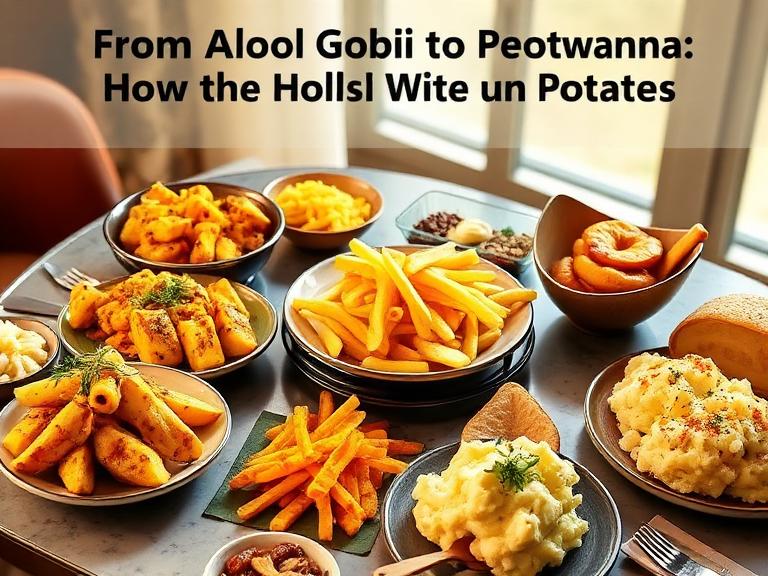






Have you ever noticed that your favorite foods on the ground taste strangely bland or even odd when flying at 35,000 feet? You’re not imagining it — food tastes different in the air due to changes in taste perception during air travel. From sandwiches that seem tasteless to beverages that taste unexpectedly bitter, this phenomenon is real and influenced by science, psychology, and environmental factors.
1. How Altitude Affects Your Taste Buds

Taste is not just about your tongue. It’s a combination of:
- Taste buds on the tongue
- Olfactory receptors in the nose
- Sensory feedback from texture, temperature, and sound
At 35,000 feet, low cabin pressure, dry air, and environmental noise affect your senses, which is why food tastes different in the air. Research shows that sweet and salty flavors are perceived as up to 30% weaker at high altitude, explaining why foods that taste perfect on the ground suddenly seem dull.
2. The Role of Low Cabin Humidity
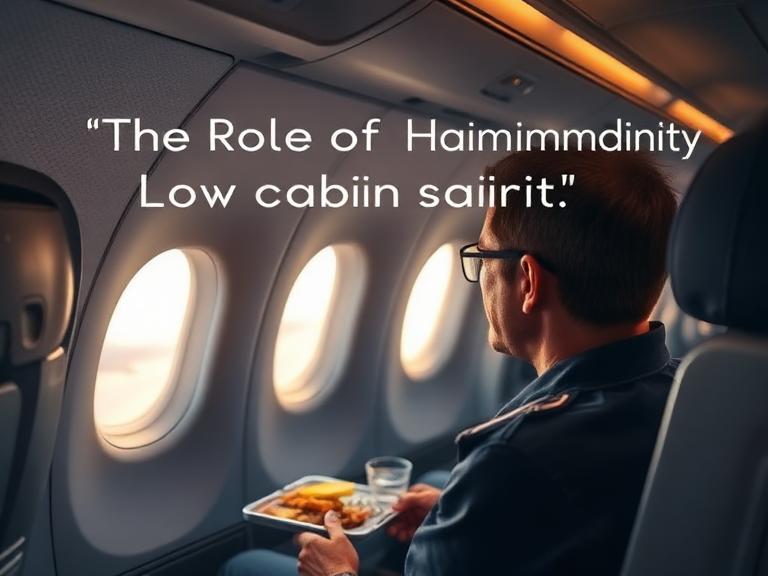
Airplane cabins have extremely low humidity levels—usually 10–20%, similar to a desert. This causes:
- Dry nasal passages
- Reduced olfactory sensitivity
- Diminished taste bud activity
Since 80% of what we perceive as taste comes from smell, the dry cabin air directly reduces flavor perception, which is why food tastes different in-flight. This is one of the main reasons foods like salads, mild sauces, and subtle desserts lose their appeal at 35,000 feet.
3. Reduced Air Pressure Changes Flavor Perception
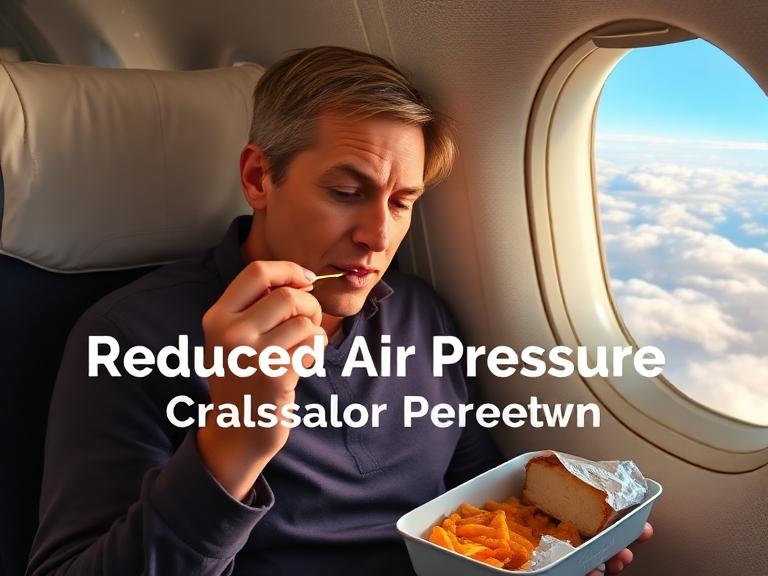
Inside an airplane, the cabin pressure is similar to being on a mountain 6,000–8,000 feet high. Lower air pressure affects flavor in two main ways:
Dulls Sweet and Salty Sensations
Studies confirm that low pressure reduces sensitivity to:
- Sweetness
- Saltiness
Meals prepared for ground conditions therefore taste under-seasoned once airborne.
Alters Aroma Molecule Behavior
Lower cabin pressure changes how volatile molecules evaporate from food, reducing the aromatic signals that reach the nose. This is another reason why food tastes different at 35,000 feet, affecting the perception of spices, herbs, and delicate flavors.
4. The Impact of Cabin Noise
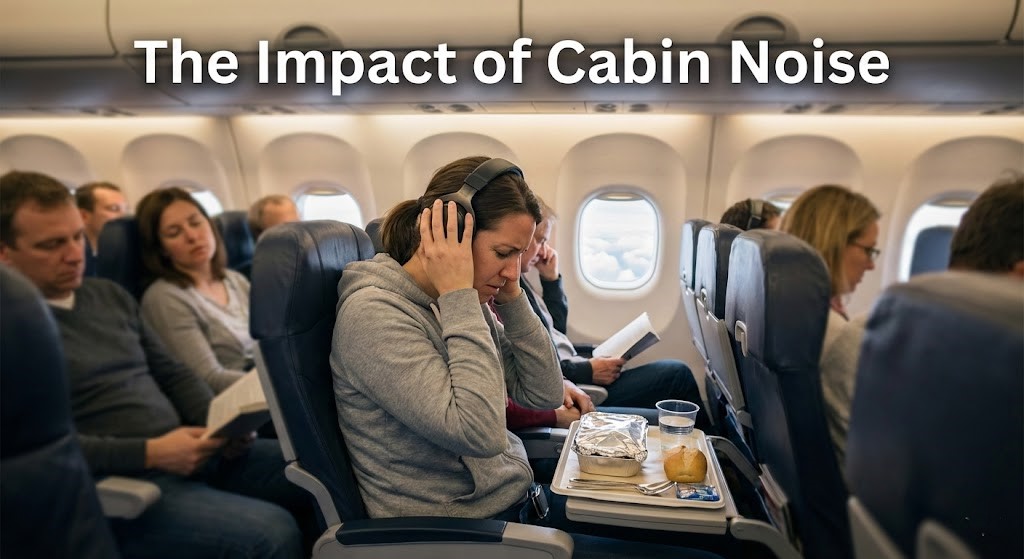
Lower cabin pressure changes how volatile molecules evaporate from food, reducing the aromatic signals that reach the nose. This is another reason why food tastes different at 35,000 feet, affecting the perception of spices, herbs, and delicate flavors.
This explains why crispy snacks like chips and nuts feel satisfying, but subtle dishes like steamed vegetables or lightly seasoned fish taste bland.
5. Your Sense of Smell Is Weakened in Flight
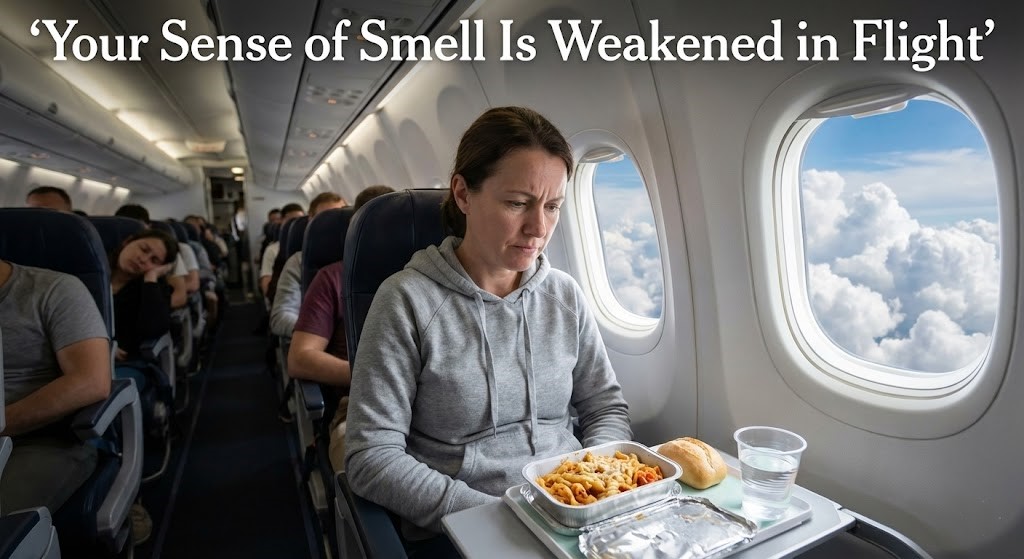
Since most flavor is detected through smell, anything that impairs olfactory receptors affects taste. At altitude:
- Dry air irritates nasal passages
- Odor molecules do not disperse as easily
Result: aromatic flavors like herbs, spices, and mild sauces are less detectable, making food seem flat.
6. How Dehydration Affects Flavor Perception
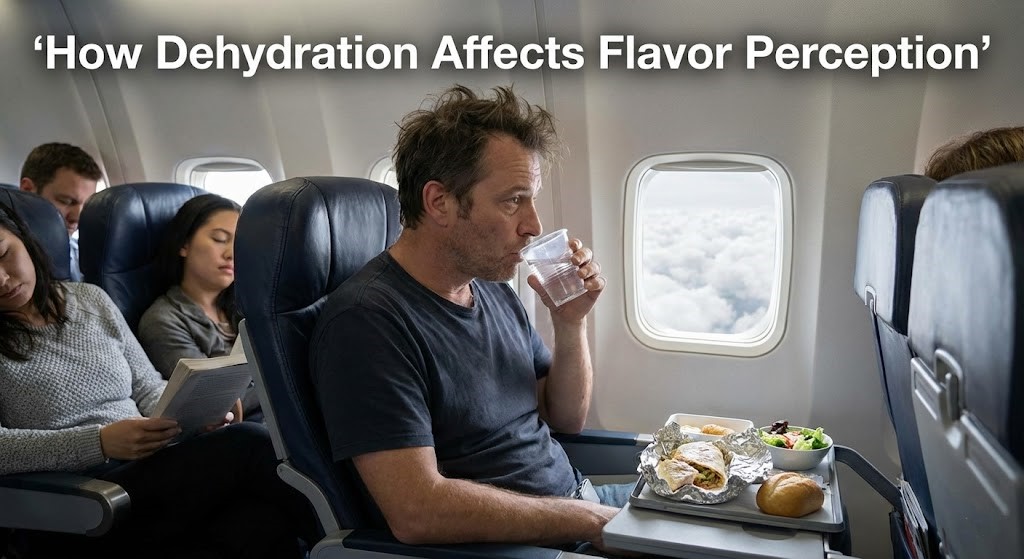
Cabin air and long flights cause rapid dehydration, which reduces saliva production. Less saliva:
- Weakens taste bud activation
- Makes sweet, salty, and umami flavors harder to perceive
This is why staying hydrated improves in-flight flavor experience.
7. Psychological Factors Influence Taste
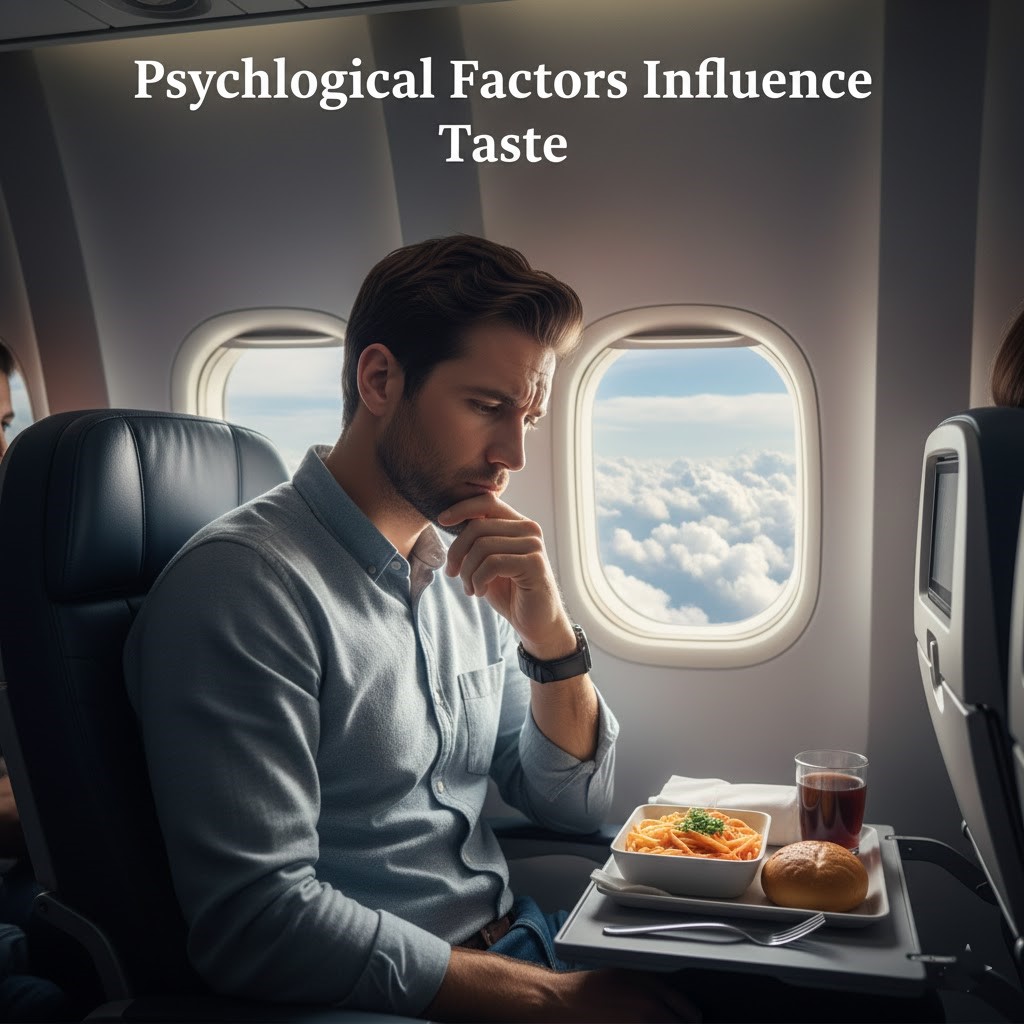
Mood, stress, and fatigue all affect how the brain interprets flavor. During flights:
- Anxiety or stress may suppress flavor perception
- Sleep deprivation dulls taste
- Expectations of “bad airplane food” bias perception
Even a well-prepared meal may seem underwhelming due to psychological factors.
8. Pre-Cooked and Reheated Meals Lose Flavor

Airline meals are often prepared hours before the flight, then frozen or chilled and reheated. This affects food in several ways:
Loss of Freshness
Freshly cooked food tastes richer because it retains moisture, aroma, and texture.
Limited Cooking Techniques
Onboard ovens only reheat food; they cannot grill, sauté, or fry. This prevents the development of:
- Crispy textures
- Aromatic compounds
- Full-bodied flavor
9. Safety Regulations Restrict Ingredients

Airline catering is subject to strict food safety rules:
- Avoiding raw eggs, rare meats, or fresh seafood
- Using shelf-stable sauces and dairy
- Ensuring meals can survive freezing and reheating
These restrictions simplify recipes and reduce flavor complexity.
10. High Altitude Alters Food Chemistry
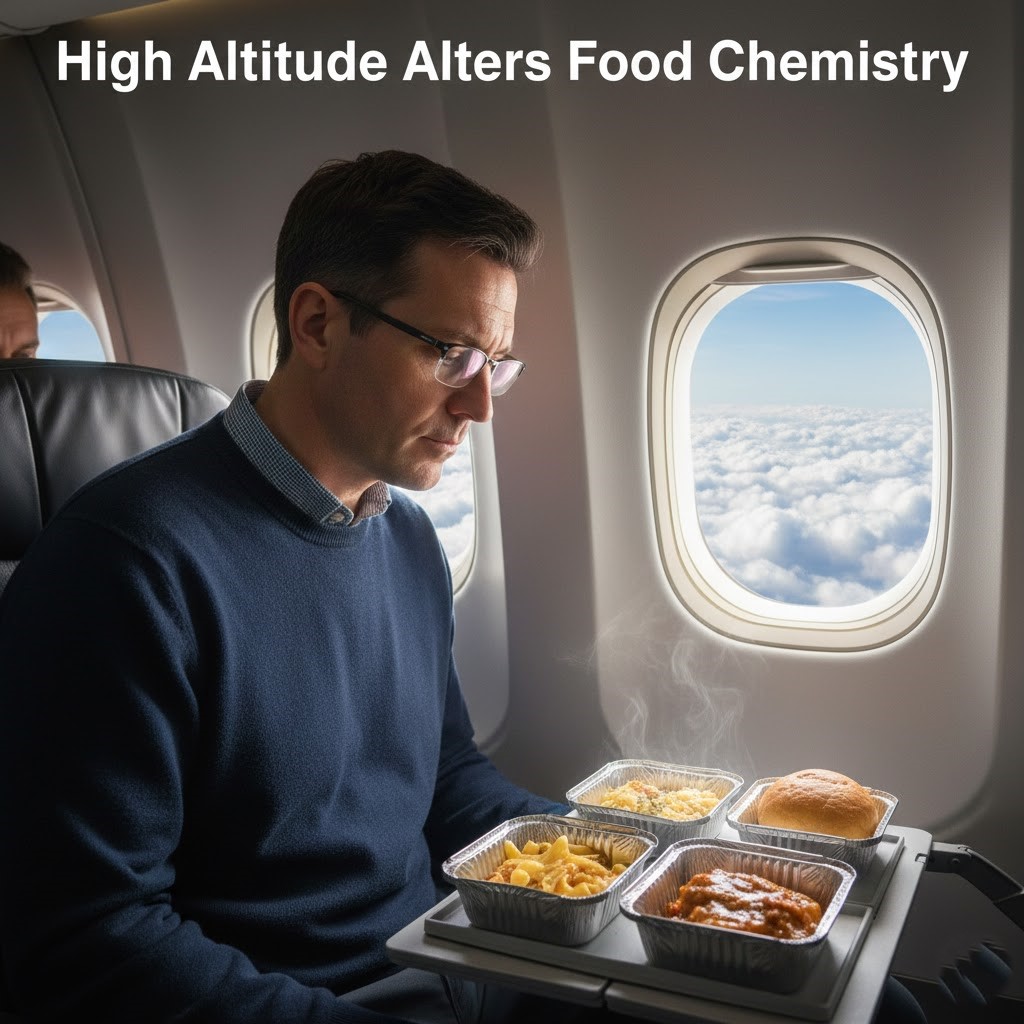
High-altitude conditions change how food behaves:
- Liquids evaporate faster, making meats and bread feel dry
- Aroma molecules disperse differently, weakening smell
- Salt and sugar dissolve differently, affecting taste balance
These chemical changes contribute to bland in-flight meals.
11. Why Strong Flavors Are Preferred in Air

Airlines combat flavor loss by using:
- 20–30% more salt and sugar
- Umami-rich ingredients like mushrooms, soy sauce, or tomatoes
- Spices and sauces with bold profiles
This is why curries, stews, tomato-based dishes, and spicy meals taste better than light salads or mild entrees.
12. Beverage Flavors Change in Flight

Drinks are affected by the same conditions:
- Coffee becomes more bitter due to reduced acidity perception
- Wine tastes sharper, with less fruitiness
- Tomato juice tastes sweeter and more flavorful, which explains its popularity on flights
13. Premium Airlines Improve Flavor with Food Science
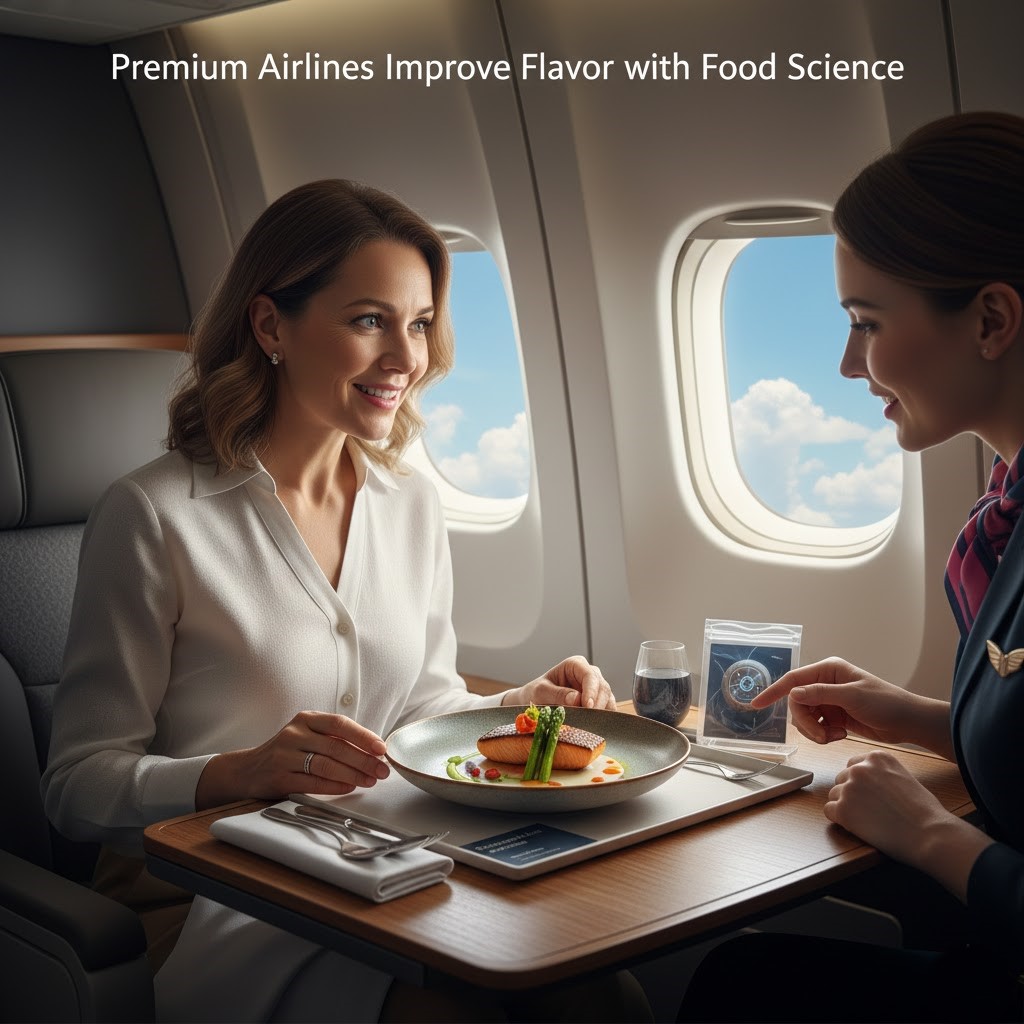
Business and first-class meals taste better because airlines:
- Use fresh, high-quality ingredients
- Partially cook meals and finish onboard
- Enhance flavors using seasoning and aroma boosters
- Apply food science to optimize recipes for high altitude
This demonstrates how understanding why food tastes different at altitude can be addressed by culinary innovation.
14. Passengers Can Enhance Flavor Themselves
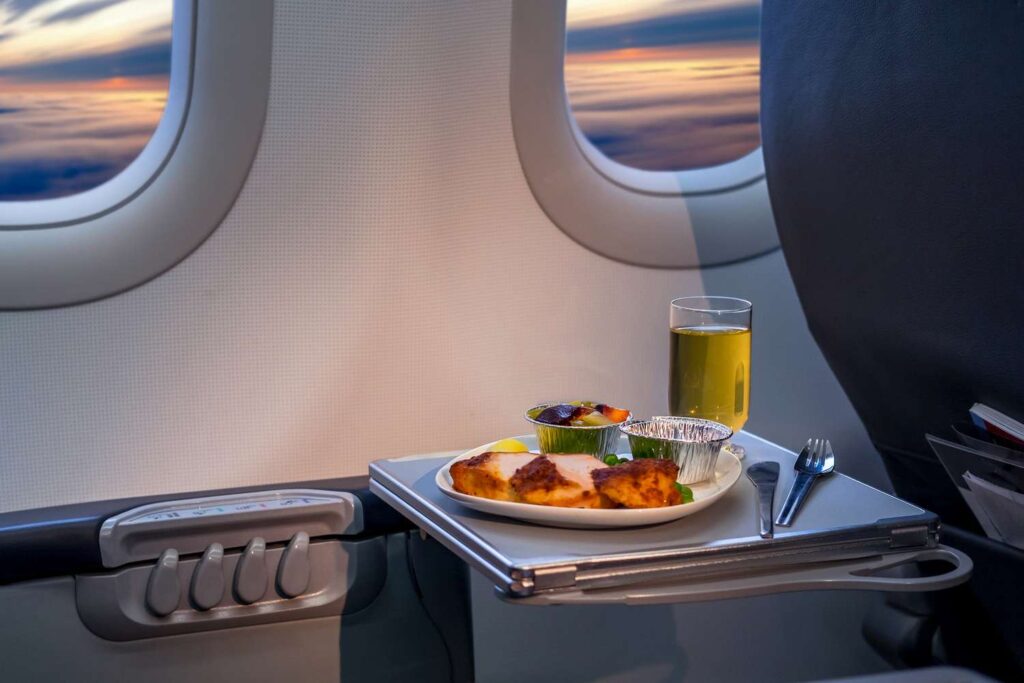
You can improve in-flight food experience with a few strategies:
Stay Hydrated
Drinking water or herbal teas improves taste bud function.
Use Available Seasoning
Salt, pepper, or chili flakes can boost flavor perception.
Choose Bold-Flavored Foods
Opt for spicy or umami-rich meals to overcome dulled senses.
Avoid Congestion
Sinus issues reduce flavor detection, so managing allergies or colds helps.
15. Foods That Taste Best at High Altitude
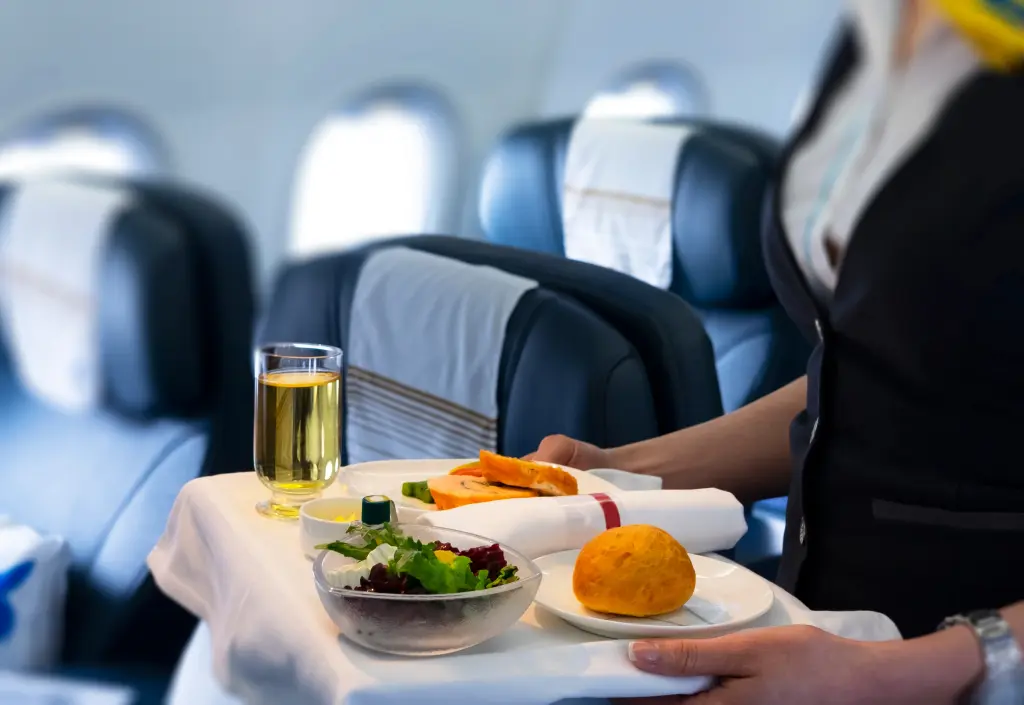
Some foods perform well at 35,000 feet:
- Tomato juice and Bloody Mary
- Spicy curries and stews
- Umami-rich pastas
- Heavily seasoned meats
- Crunchy snacks like chips or roasted nuts
- Dark chocolate and salted treats
16. Foods That Taste Worst at High Altitude
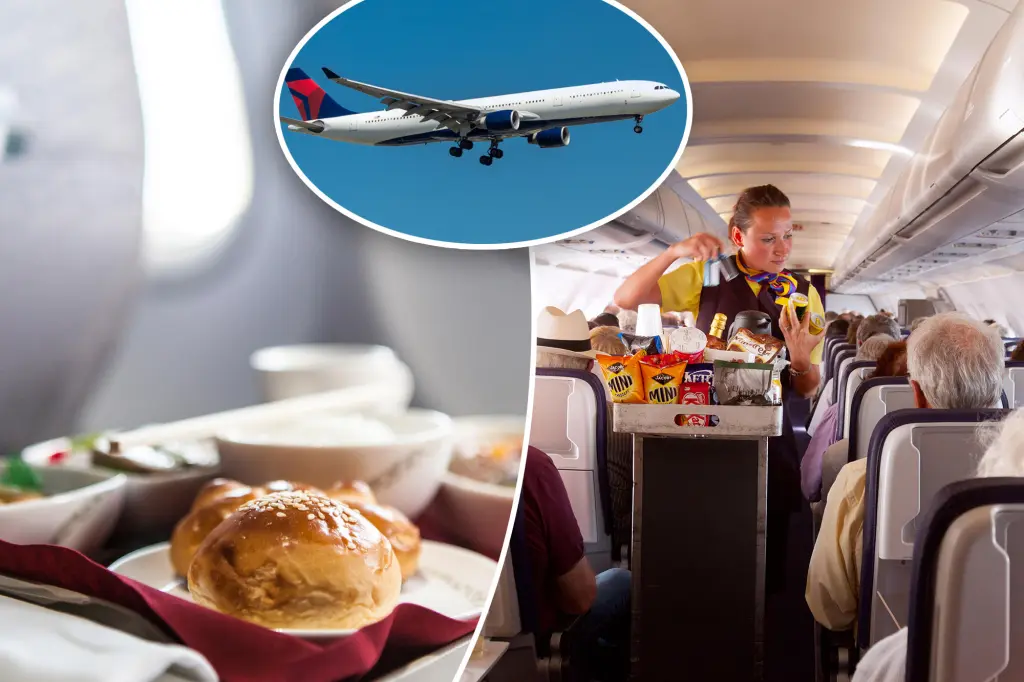
Lightly flavored foods often lose appeal:
- Fresh salads
- Mild sandwiches or sandwiches with subtle spreads
- Soft breads
- Light soups
- Mild desserts
These rely on aroma, texture, and moisture, all compromised in flight.
17. Airlines Use Science to Enhance Meal Experience

Modern airlines collaborate with:
- Food scientists to optimize seasoning and recipes
- Chefs to design meals suitable for low-pressure conditions
- Packaging experts to preserve aroma and moisture
Innovations include:
- Vacuum-sealed portions
- Steam-based reheating
- Umami boosters and bold flavor combinations
18. The Bottom Line: Why Food Tastes Different in the Air
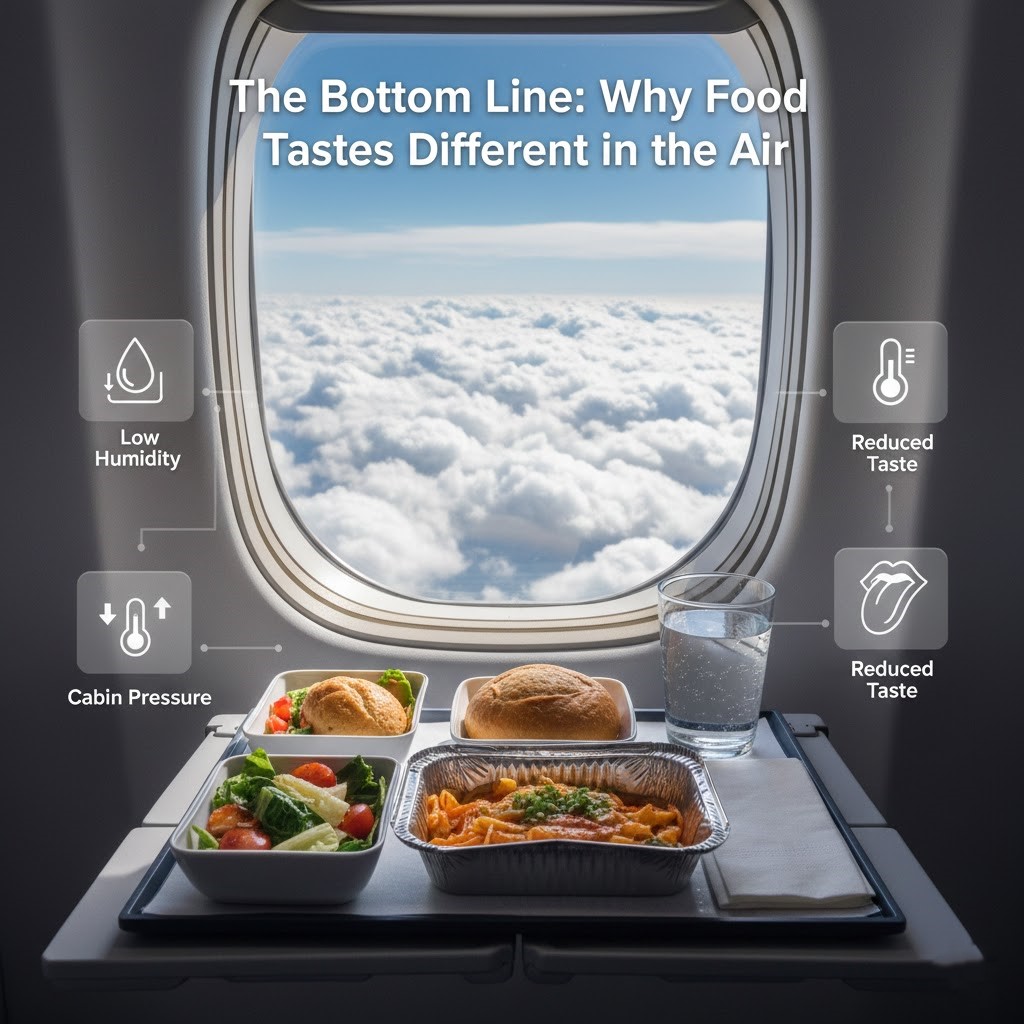
In-flight flavor changes are caused by environmental, physiological, psychological, and culinary factors:
- Low cabin humidity and air pressure
- Loud engine noise
- Dehydration and stress
- Pre-cooked, reheated meals
- Regulatory constraints on ingredients
Understanding these factors helps passengers make informed choices, select meals that taste better, and enjoy air travel dining despite the challenges.
Discover how airplane cabin pressure and dry air can change the way food tastes, explained in simple terms at FoodRepublic.
The URL is exactly as you provided — here it is again: https://skinnyzine.com/easy-20-minute-christmas-recipes/