





In recent years, nutrition experts, wellness influencers, and even medical researchers have revived an age-old practice called “chewing water.” At first glance, the term sounds strange. After all, water is a liquid—why would anyone chew it? Yet, the concept has gained attention because of its surprising health benefits, especially for digestion, hydration, mindfulness, and oral function.
Chewing water simply means sipping water and swirling it slowly in your mouth for several seconds before swallowing, allowing saliva to mix thoroughly with it. Unlike the typical habit of gulping or chugging water, this mindful method activates digpestive signals, enhances hydration efficiency, and reduces issues like bloating or poor nutrient absorption.
1. What Does “Chewing” Water Exactly Mean?
Chewing water may seem metaphorical, but the process involves specific steps:
Slow Sipping Instead of Gulping
Instead of taking large, fast gulps, a person takes small sips, holds the water in the mouth for a moment, and moves it around as if tasting it.
Engaging the Mouth Muscles
The jaw doesn’t need to chew as it does with food, but the tongue and mouth musculature engage lightly, increasing saliva flow.
Mixing Water with Saliva
The primary purpose is to trigger saliva secretion, which begins the digestive process. Saliva contains:
- Enzymes
- Electrolytes
- Mucins
- Antimicrobial compounds
This mixture prepares the stomach for incoming fluid, helping the body absorb water more efficiently.
Mindful Swallowing
Rather than rushing, the water is swallowed slowly, often in two or three small micro-gulps.
2. Why Do People Chew Water?
The motivation behind chewing water is not merely cultural; it is rooted in physiological and digestive science.
Traditional Eastern Practices
Ayurveda and Traditional Chinese Medicine (TCM) have long recommended:
- Drinking warm water
- Sipping water slowly
- Letting water linger in your mouth so it mixes with saliva and becomes easier for your body to digest.
Modern Wellness Trends
In the wellness community, slow hydration is linked to:
- Improved digestion
- Better metabolism
- Reduced bloating
- Enhanced energy levels
Scientific Rationale
Chewing water optimizes salivary digestion, which is often overlooked. Saliva contains enzymes like amylase and lipase, which prepare the stomach for food and help regulate fluid absorption.
3. What Happens Inside the Body When You Chew Water?

Here is the step-by-step physiological breakdown of what your body does when you chew water.
Increased Saliva Production
Chewing water stimulates the salivary glands:
- Parotid glands
- Submandibular glands
- Sublingual glands
Saliva production increases by up to 300% when the chewing mechanism is activated. Since saliva is mostly water (99%), it adds to hydration rather than diluting anything.
Why This Matters
Saliva:
- Neutralizes acids
- Begins digestion
- Lubricates the throat
- Signals the stomach to release enzymes
This prevents the shock effect of cold or fast-swallowed water hitting the stomach unprepared.
Saliva Mixes with Water to Improve Absorption
Saliva contains:
- Electrolytes: sodium, potassium, calcium
- Digestive enzymes
- pH-buffering compounds
This mixture helps water absorb better in the small intestine.
The Science Behind It
The small intestine absorbs water based on:
- Electrolyte gradients
- Osmotic pressure
- pH levels
Saliva enhances these factors, making hydration more effective.
The Stomach Prepares for Digestion
When you chew water, you trigger a process called cephalic phase digestion, which starts before food reaches the stomach.
Signals travel from your mouth to the brain through:
- Vagus nerve
- Parasympathetic pathways
The stomach then:
- Releases gastric juices
- Prepares to receive water or food
- Opens the pyloric valve smoothly
This prevents:
- Bloating
- Burping
- Acid reflux caused by rapid water intake
The Body Avoids Overhydration Shock
Gulping large quantities of water quickly can dilute stomach acids and place stress on the kidneys. Chewing water avoids:
- Rapid electrolyte dilution
- Sodium imbalance
- Stress on bladder and kidneys
Slow drinking improves hydration efficiency, meaning you need less water to hydrate better.
Water Moves Through the Intestines at an Optimal Speed
Chewed water moves at a pace the digestive system prefers.
Too Fast Drinking = Problems
- Poor absorption
- Frequent urination
- Loss of electrolytes
- Bloating
- Cramping
Chewed Water = Benefits
- Smooth intestinal flow
- Proper hydration of colon tissue
- Support for bowel movements
4. Benefits of Chewing Water
Improved Digestion
The digestive enzymes in saliva ensure:
- Smoother digestion
- Reduced acidity
- Better breakdown of food
It helps prevent:
- Indigestion
- Heartburn
- Reflux
Better Hydration With Less Water
Chewing water increases hydration efficiency, meaning the cells absorb water more effectively. Many people drink too much water and still feel thirsty — because they drink too fast.
Chewing water resolves:
- Chronic dehydration symptoms
- Fatigue
- Dry skin
- Headaches
Reduced Bloating and Gas
Rapid ingestion traps air in the digestive tract. Chewing water:
- Releases air slowly
- Reduces swallowed air
- Prevents gas formation
It’s especially helpful for:
- IBS
- Gastritis
- Acid reflux
- Slow digestion
Enhanced Nutrient Absorption
Water mixed with saliva increases the absorption of:
- Minerals
- Electrolytes
- Vitamins
- Trace elements
This supports:
- Metabolism
- Energy levels
- Hormonal balance
Supports Oral Health
Chewing water washes the mouth without overwhelming it.
Benefits:
- Neutralizes bacteria
- Improves breath
- Strengthens enamel through saliva minerals
- Prevents dryness
Encourages Mindful Eating and Drinking
This method slows you down, promoting:
- Mindfulness
- Satiety
- Stress reduction
It aligns with practices like:
- Zen eating
- Ayurveda
- Japanese Hara Hachi Bu (eat until 80% full)
Helps Prevent Overdrinking
Many people overhydrate, causing:
- Frequent urination
- Kidney stress
- Loss of essential minerals
Chewing water helps regulate drinking habits.
5. What Science Says About Chewing Water
Research on Salivary Digestion
Studies show that:
- Saliva activates the digestive process
- Enzymes begin metabolic reactions
- Saliva increases nutrient absorption
Hydration Studies Support Slow Drinking
Hydration science indicates:
- Slow drinking improves retention
- Fast drinking leads to rapid excretion
This explains why athletes hydrate slowly during training instead of chugging.
Ayurvedic Texts Support the Concept
Ayurveda states:
- “Drink water as if eating food”
- “Eat food as if drinking water”
This means chew liquids, and sip solids — a principle that aids digestion.
6. How to Practice Chewing Water Correctly
Step-by-Step Method
- Take a small sip of water.
- Hold it in your mouth for 3–5 seconds.
- Move it around your mouth with your tongue.
- Let saliva naturally mix with the water.
- Swallow in a slow, controlled motion.
- Repeat this for the entire glass.
When to Use This Method
Chewing water is especially useful:
- Before meals
- During meals
- After meals
- First thing in the morning
- Before bed
- During digestion problems
What Type of Water Works Best?
Warm or room-temperature water is ideal.
Avoid ice-cold water, which:
- Shocks the stomach
- Slows digestion
- Constricts blood vessels
How Many Times a Day Should You Do It?
For optimal results:
- Use the method every time you drink water
- Especially during meals
7. Does Chewing Water Have Side Effects?
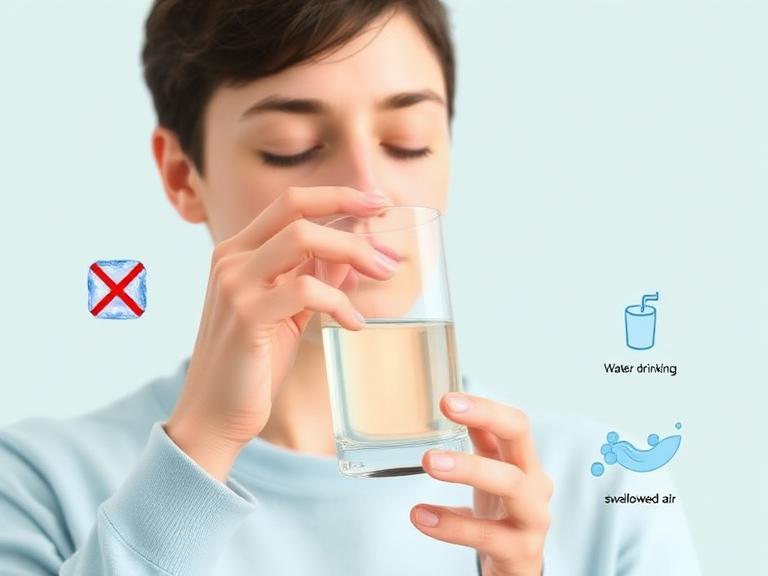
Generally, chewing water is safe for all age groups.
Potential discomfort arises only when:
- Someone drinks excessively
- They use ice-cold water
- They swallow air while drinking
Otherwise, the method is harmless and beneficial.
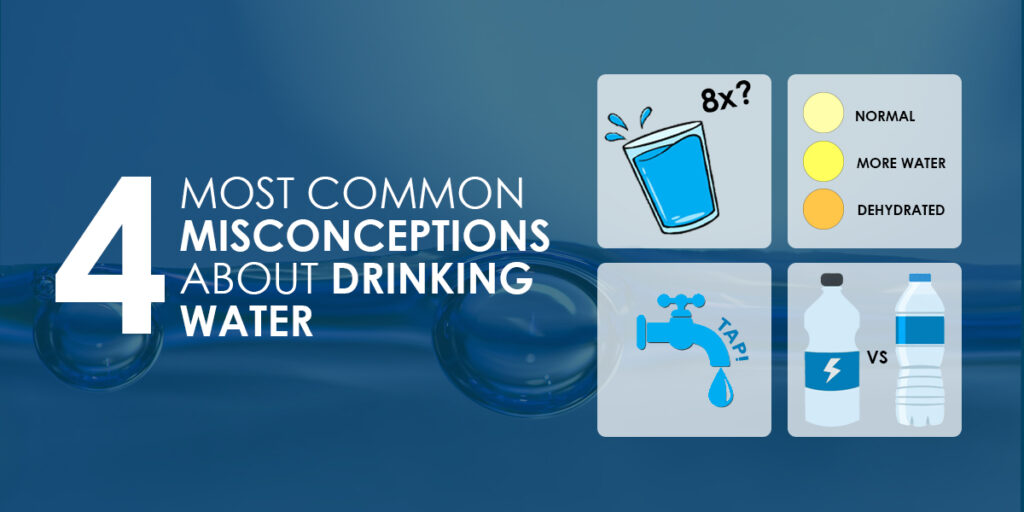
8. Common Myths About Chewing Water
1: Chewing Water Is Unnecessary
FACT: Most people drink too fast and lose hydration through urination. Slowing down improves retention.
2: Saliva Dilutes Digestive Power
FACT: Saliva activates digestion; it doesn’t weaken it.
3: Chewing Water Is Only for Ayurveda
FACT: Modern science supports slow drinking for better hydration and digestion.
4: Chewing Water Is Time-Consuming
FACT: It adds only 5–10 seconds per sip.
9. Who Should Consider Chewing Water?
People with:
- Acid reflux
- Indigestion
- IBS
- Bloating
- Fatigue
- Poor hydration
- Dry skin
- Constipation
Groups Who Benefit the Most:
- Elderly individuals
- Fitness enthusiasts
- Office workers
- Children
- People with digestive problems
- People with anxiety or stress