




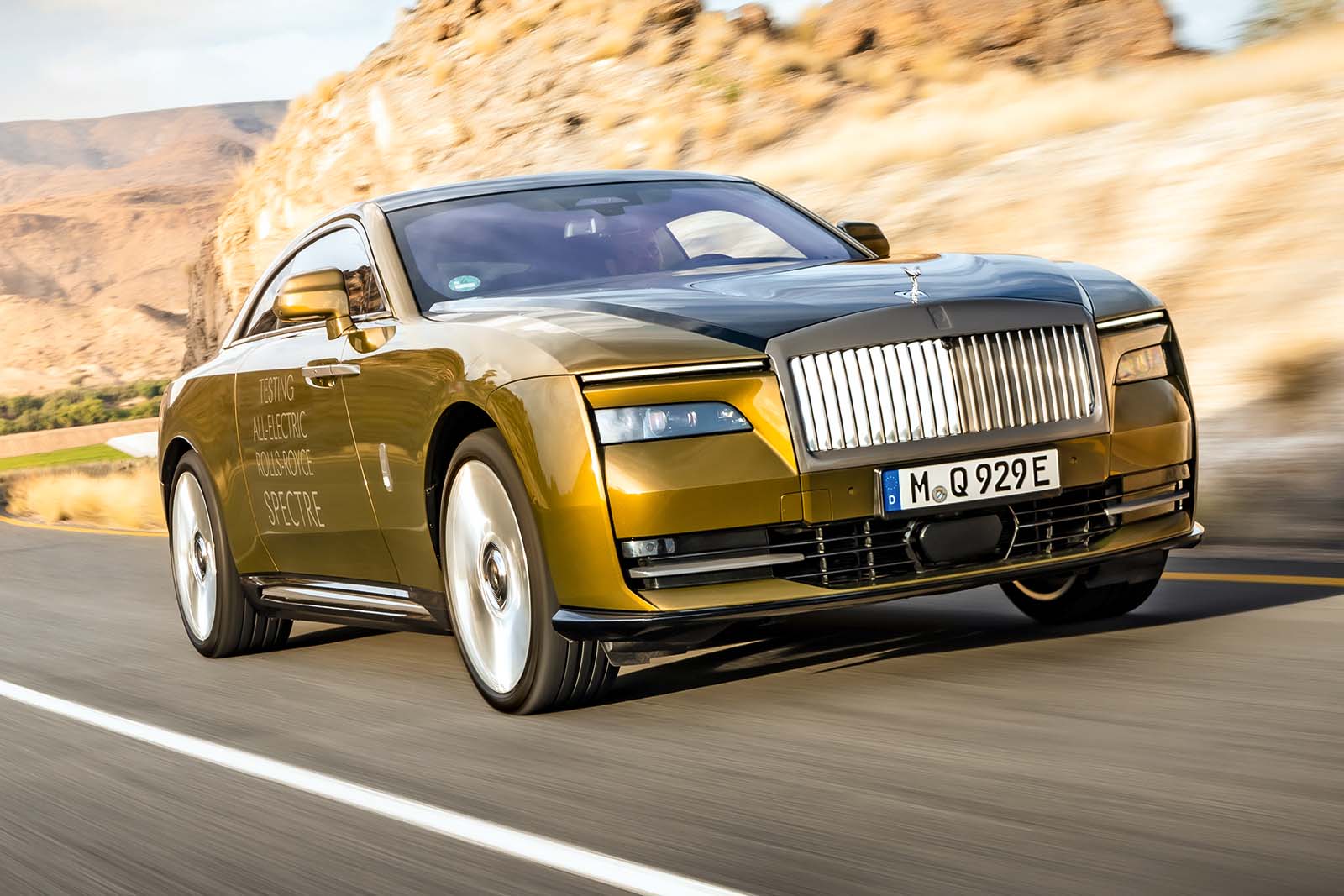
Rolls-Royce is preparing to take another decisive step into the electric future. After the launch of the Spectre coupe, the British luxury marque is now gearing up to unveil its first-ever all-electric SUV, a model that is expected to make its public debut in 2026 and go on sale globally in 2027. This upcoming vehicle will become Rolls-Royce’s second electric model and its second SUV, following the immensely successful Cullinan.
The move signals more than just a new product launch—it reflects Rolls-Royce’s long-term commitment to electrification as it steadily transitions toward an all-electric lineup by the end of the decade. With Bentley also preparing to reveal its first electric SUV around the same time, the ultra-luxury EV segment is about to witness a fascinating new rivalry.
A Delayed but Strategic Arrival
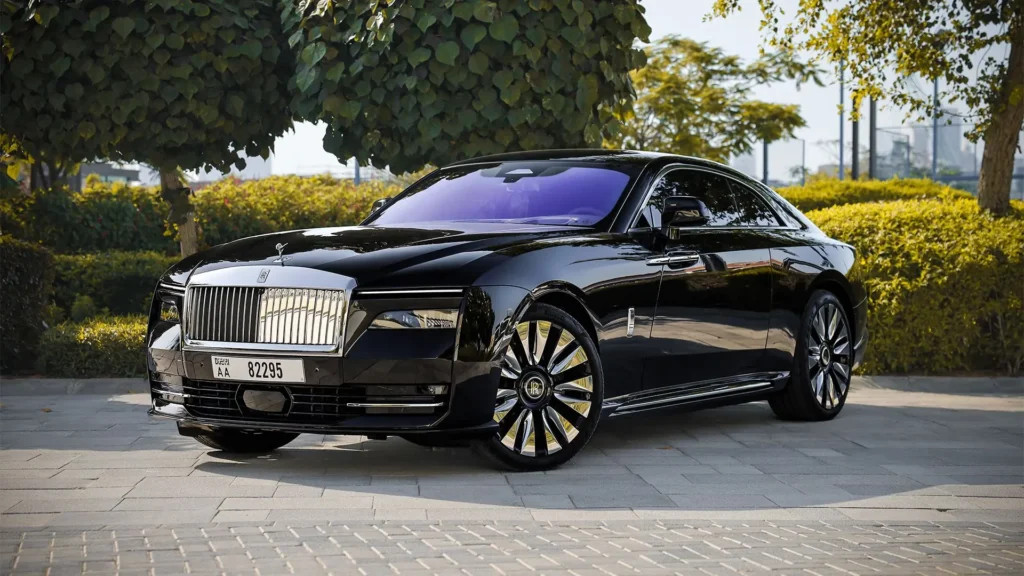
Initially, Rolls-Royce had planned to introduce its electric SUV in 2025, but those timelines have now shifted. The revised schedule suggests a 2026 unveiling, with production and global deliveries expected to begin in 2027.
While delays often raise eyebrows, in this case, the postponement appears strategic rather than problematic. Developing an electric vehicle that lives up to Rolls-Royce’s uncompromising standards of refinement, silence, and craftsmanship requires immense engineering precision. The company seems intent on ensuring that its electric SUV delivers the same “magic carpet ride” experience customers expect—this time powered entirely by electricity.
Positioned Against Bentley’s First Electric SUV
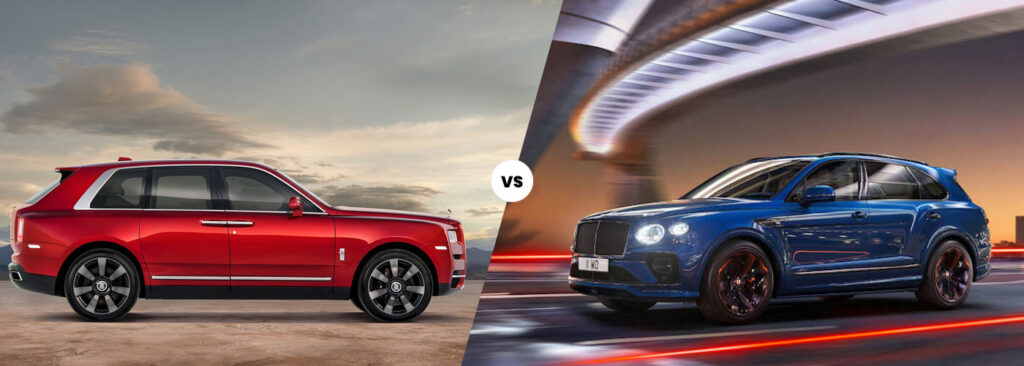
Rolls-Royce’s upcoming electric SUV is being developed with a clear competitor in mind: Bentley’s first fully electric SUV, which is also expected to debut in 2026. Both brands occupy similar territory in the ultra-luxury space, but they approach design, performance, and customer experience differently.
Where Bentley traditionally leans toward sportiness blended with luxury, Rolls-Royce focuses on serene comfort, effortless power, and commanding presence. The electric SUV will likely embody these values while introducing cutting-edge electric technology tailored for elite clientele.
Size and Proportions: Cullinan-Like Presence
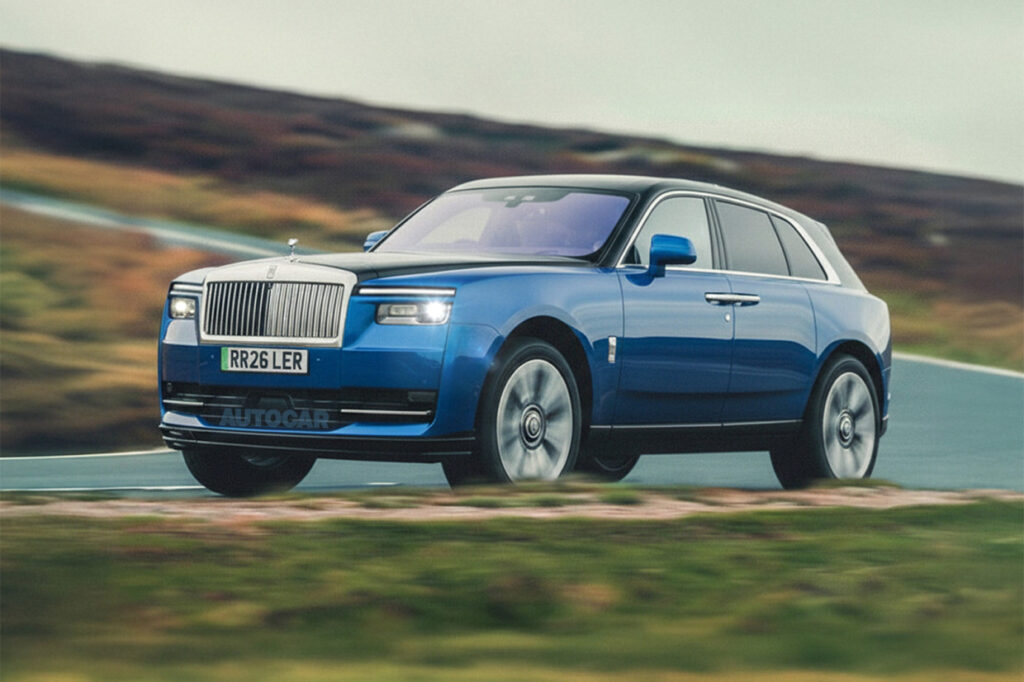
From early sightings and insider information, it’s evident that the upcoming Rolls-Royce electric SUV will be comparable in size to the Cullinan. That means a large, imposing footprint designed to dominate the road while offering unmatched interior space.
Boxy, Upright, and Unmistakably Rolls-Royce
Spy shots of a heavily camouflaged prototype, recently spotted undergoing winter testing at BMW Group’s proving grounds in Sweden, reveal a design language that stays true to the brand’s identity:
- Upright and boxy proportions
- Long wheelbase
- High beltline
- Strong, monolithic stance
Despite its SUV classification, the prototype’s relatively low ground clearance gives it a silhouette that feels closer to a luxury estate than a traditional off-roader. This reinforces the idea that the vehicle is designed primarily for road comfort rather than rugged terrain.
Exterior Design: Modern Luxury with Familiar Cues
Split Headlights and Contemporary Lighting
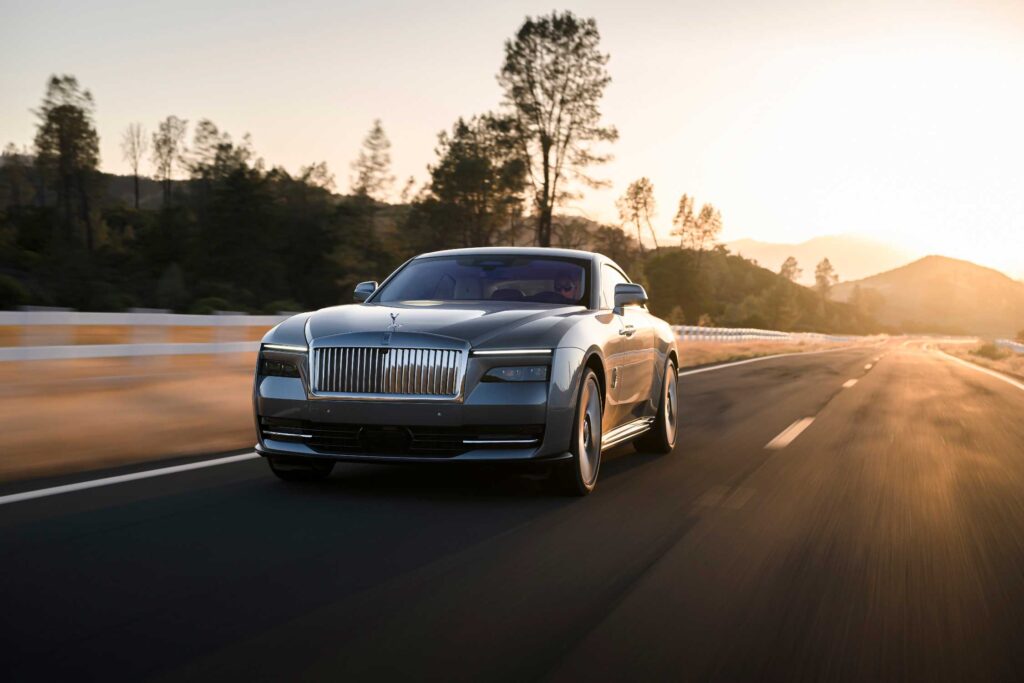
Much like the Spectre coupe, the electric SUV features a split-headlight design at the front. Slim, segmented LED daytime running lights sit above the main headlamp units, creating a modern and sophisticated lighting signature.
The front bumper appears to incorporate a large air dam, likely designed to manage airflow and cooling for the electric powertrain and battery system.
The Missing Pantheon Grille
One of the most noticeable design changes is the apparent absence of Rolls-Royce’s traditional Pantheon grille. While the grille has already been reimagined on the Spectre as a closed-off illuminated element, the electric SUV seems to move even further away from the classic design.
This minimalist front-end approach aligns with the needs of an EV, where large cooling openings are no longer necessary. Still, Rolls-Royce will undoubtedly retain enough visual cues to ensure instant brand recognition.
Side Profile: Elegant Yet Functional
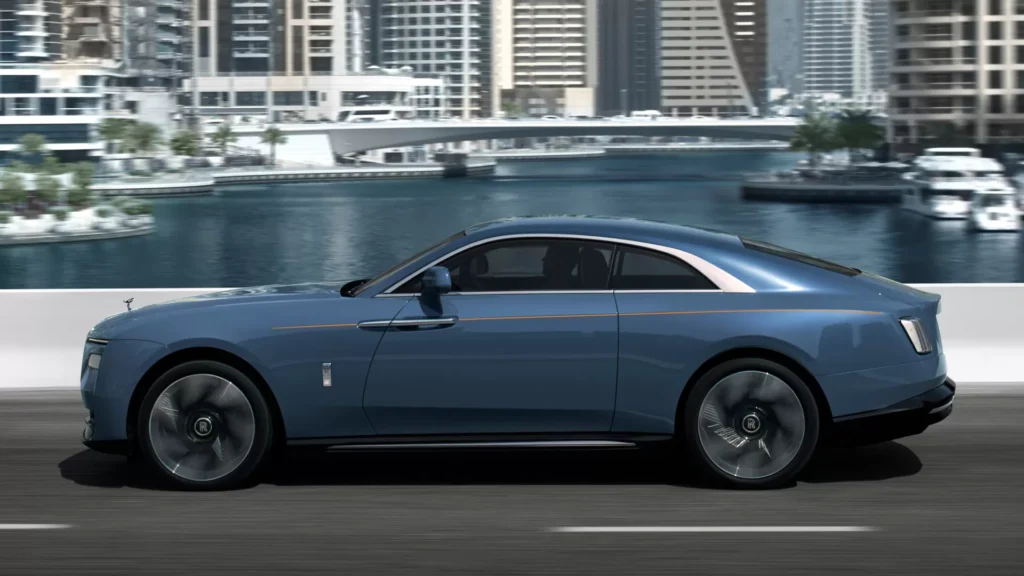
Viewed from the side, the electric SUV maintains a clean, slab-sided appearance. The straight shoulder line and flat surfaces emphasize width and solidity, traits long associated with Rolls-Royce vehicles.
Notable side elements include:
- Prominent roof rails, hinting at lifestyle versatility
- Flush or semi-flush door handles (expected)
- Large wheels to match the vehicle’s scale
The overall design avoids unnecessary creases or aggressive detailing, staying true to Rolls-Royce’s philosophy of understated elegance.
Rear Design: Vertical Elegance
At the rear, the prototype reveals several distinctive features:
- Vertically oriented LED tail-lamps, similar to those seen on the Spectre
- A slightly protruding rear section that enhances visual balance
- A mildly angled D-pillar, softening the otherwise boxy shape
- A subtle roof spoiler with an integrated stop lamp
The rear design appears clean and uncluttered, reinforcing the brand’s preference for timeless styling over fleeting trends.
Platform: Architecture of Luxury Continues
The electric SUV will be built on Rolls-Royce’s proprietary Architecture of Luxury platform. This aluminum spaceframe architecture currently underpins every Rolls-Royce model on sale, including:
- Phantom
- Ghost
- Cullinan
- Spectre
Strengths of the Platform
- Exceptional structural rigidity
- Designed for extreme refinement and ride comfort
- Flexible enough to support internal combustion and electric powertrains
However, there is one notable challenge: the platform is nearly nine years old, raising questions about how seamlessly it can integrate the latest EV technologies.
Despite this, Rolls-Royce has already demonstrated with the Spectre that the Architecture of Luxury can be successfully adapted for full electrification without compromising the brand’s core values.
Powertrain: Still a Mystery, But Expectations Are High
While Rolls-Royce has not officially disclosed powertrain specifications for the electric SUV, several possibilities are being discussed.
Option 1: BMW’s Neue Klasse EV Technology
As part of the BMW Group, Rolls-Royce could potentially adopt elements of BMW’s upcoming Neue Klasse electric architecture, which will debut with models like the next-generation BMW iX3.
However, integrating Neue Klasse technology into the Architecture of Luxury platform may present compatibility challenges, making this option less straightforward.
Option 2: Spectre’s Proven Electric Setup
A more likely scenario is the use of a modified version of the Spectre’s powertrain, which includes:
- 102kWh battery pack
- Dual-motor, all-wheel-drive configuration
- Output of up to 659hp
- Massive 1,075Nm of torque
- WLTP-rated range of up to 530km
For an SUV of this size and weight, these figures would ensure effortless acceleration and smooth, silent cruising—hallmarks of the Rolls-Royce experience.
Performance: Effortless Power Over Sportiness
Unlike performance-focused electric SUVs, the Rolls-Royce electric SUV is unlikely to chase headline-grabbing acceleration numbers. Instead, the emphasis will be on:
- Seamless power delivery
- Near-total cabin silence
- Exceptional ride comfort
- Confident, stable cruising
Electric propulsion aligns perfectly with Rolls-Royce’s philosophy, offering instant torque and vibration-free operation that enhances the brand’s signature sense of calm.
Interior Expectations: A New Benchmark in Electric Luxury
While no interior images have surfaced yet, expectations are understandably high. The cabin will likely reflect Rolls-Royce’s tradition of bespoke craftsmanship, blended with next-generation digital technology.
Likely Interior Highlights
- Hand-stitched leather and sustainable luxury materials
- Custom wood veneers and metal finishes
- A redesigned digital interface optimized for EV use
- Advanced ambient lighting and sound insulation
- Rear-seat comfort rivaling the Cullinan
Given Rolls-Royce’s focus on personalization, buyers can expect near-limitless customization options, from color palettes to unique trim combinations.
Why an Electric SUV Makes Perfect Sense for Rolls-Royce
The transition to electric power is arguably more natural for Rolls-Royce than for many other brands. Electric motors deliver exactly what Rolls-Royce customers value most:
- Silence
- Smoothness
- Effortless power
Moreover, SUVs remain the most popular body style in the luxury segment, making an electric SUV a logical next step after the Spectre coupe.
The Bigger Picture: Rolls-Royce’s Electric Future
Rolls-Royce has already confirmed its intention to become a fully electric brand by 2030. The upcoming electric SUV will play a critical role in this transition, serving as a bridge between traditional luxury motoring and a zero-emission future.
With stricter global emissions regulations and growing demand for sustainable luxury, the brand’s strategy aligns well with both regulatory requirements and customer expectations.
What to Expect Next
As the 2026 debut approaches, more details are likely to emerge, including:
- Official name of the electric SUV
- Final design reveal
- Interior previews
- Confirmed powertrain specifications
- Pricing and market positioning
Given Rolls-Royce’s meticulous development process, the company will likely reveal the vehicle only when it is fully confident it meets its exacting standards.
Rolls-Royce Motor Cars – The Spirit Electrified (Official EV Vision)
https://www.rolls-roycemotorcars.com/en_GB/spirit-electrified.html
For more details https://skinnyzine.com/asian-markets-today/