





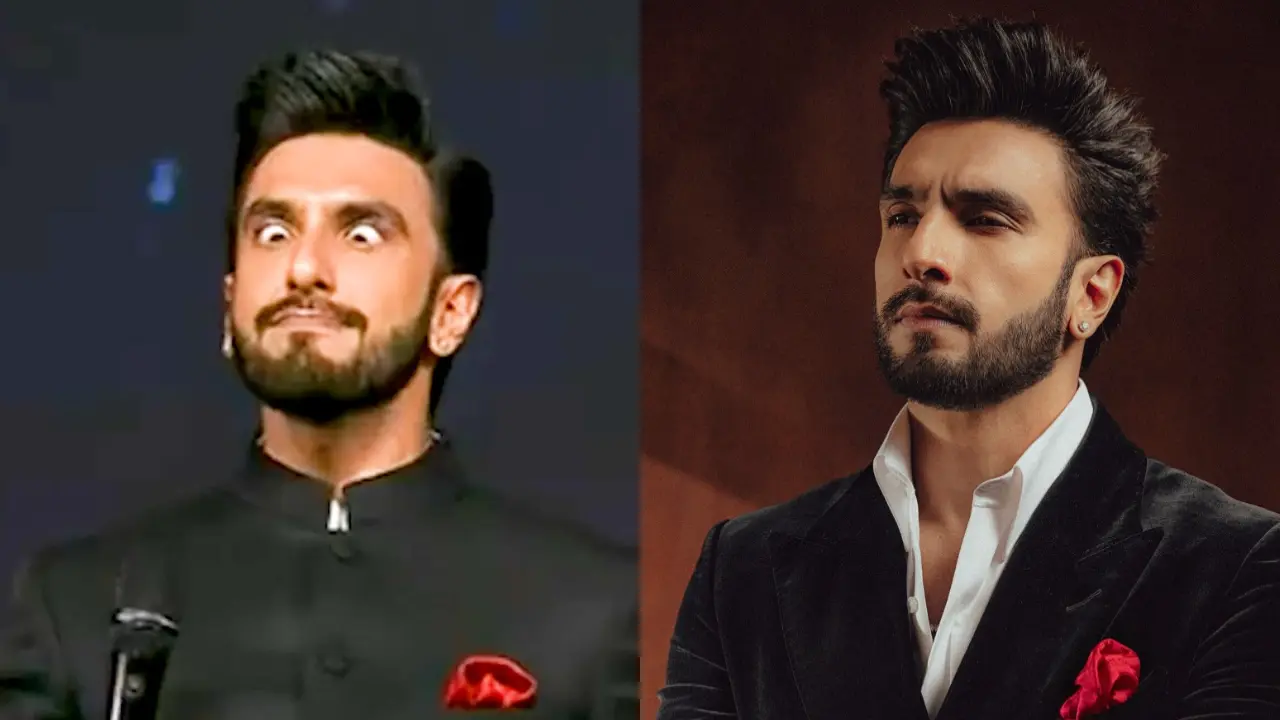
In a development that has captured the attention of both the film industry and the public, Bollywood actor Ranveer Singh has approached the Karnataka High Court challenging an FIR registered against him over his mimicry of a character from the Kannada blockbuster Kantara: A Legend – Chapter 1. The legal dispute has sparked nationwide debate on artistic expression, cultural sensitivity, and the responsibilities of public figures in engaging with traditions that hold deep spiritual significance.
The Incident That Sparked the Controversy
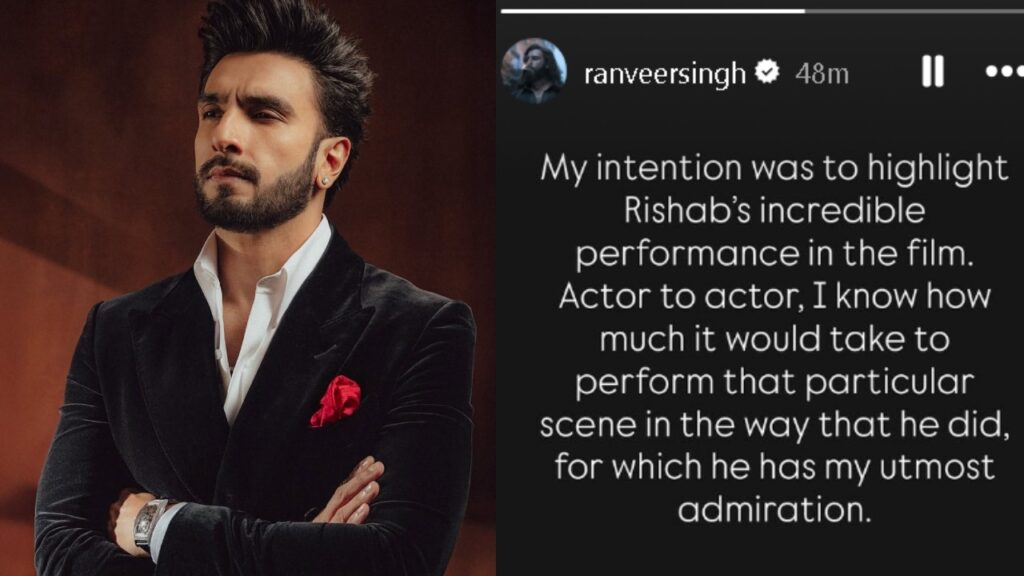
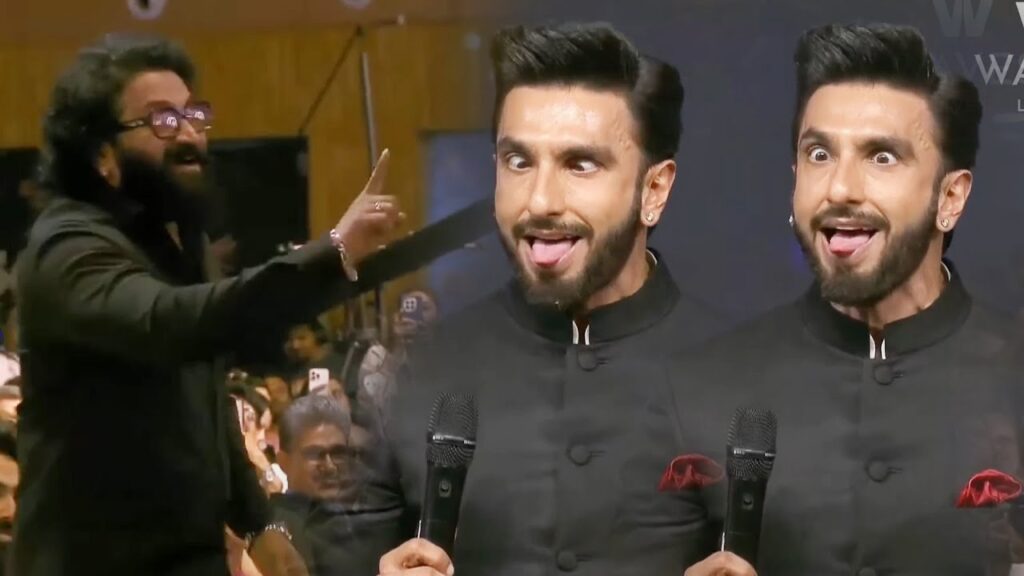
The controversy traces its origins to a public event during a film festival where Ranveer Singh took the stage to praise Rishab Shetty, the filmmaker and star of Kantara. Known for his energetic and expressive persona, Singh attempted a brief imitation of a pivotal scene from the film, in which the character interacts with a revered spirit in a traditional ritual.
During the mimicry, Singh referred to the spirit in the film as a “female ghost” while imitating expressions from the scene. While the imitation was intended to celebrate Shetty’s performance, some members of the audience and social media users interpreted it as mocking a sacred ritual, leading to widespread criticism and heated discussions about respect for cultural traditions.
The actor, despite being urged to stop by Shetty himself during the performance, continued for a brief moment, which was later shared widely on social media platforms. The incident quickly evolved from a light-hearted imitation into a matter of legal and cultural debate.
The FIR and Allegations
Following the event, a complaint was filed in Bengaluru alleging that Ranveer Singh’s mimicry insulted the Daiva, a guardian spirit deeply revered in Tulu Nadu and coastal Karnataka’s cultural and spiritual practices. The complainant argued that referring to the spirit as a “female ghost” trivialized an important ritual and amounted to disrespect toward the community’s religious sentiments.
Acting on this complaint, the police registered an FIR against Ranveer Singh. The FIR cited sections of the criminal code relating to deliberate acts intended to hurt religious feelings, promotion of enmity between communities, and other provisions concerning offensive speech. This placed the Bollywood star at the center of a serious legal issue, transforming what began as an expression of admiration into a potential criminal matter.
Ranveer Singh’s Petition to the High Court
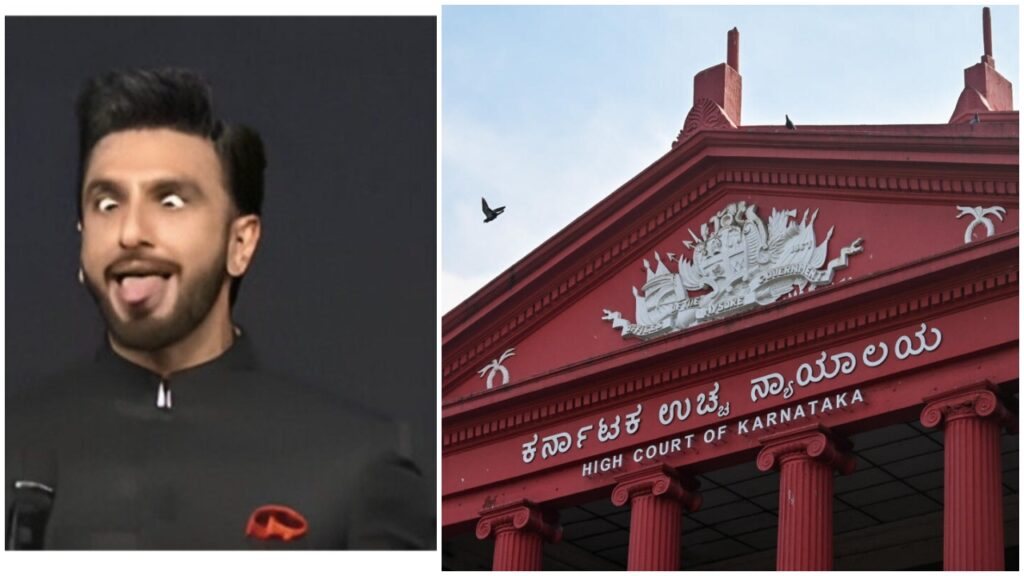
On February 23, 2026, Ranveer Singh filed a petition in the Karnataka High Court challenging the FIR and the magistrate’s order that led to its registration. The petition seeks the quashing of the FIR and a stay on further investigation, citing the actor’s lack of criminal intent and the context in which the mimicry occurred.
The legal team argued that Singh’s mimicry was a form of honest appreciation for the acting in Kantara rather than a malicious act intended to offend anyone. They highlighted that the statements were taken out of context, and the performance was meant to celebrate the craft rather than insult any religious practice.
Additionally, the petition contends that the magistrate’s order directing investigation was a mechanical application of law without proper evaluation of the facts, which could amount to misuse of the criminal process. Ranveer Singh’s counsel emphasized the reputational and emotional impact of the FIR on the actor, seeking an urgent hearing and interim relief until the matter is fully adjudicated.
Court Proceedings and Hearing Requests
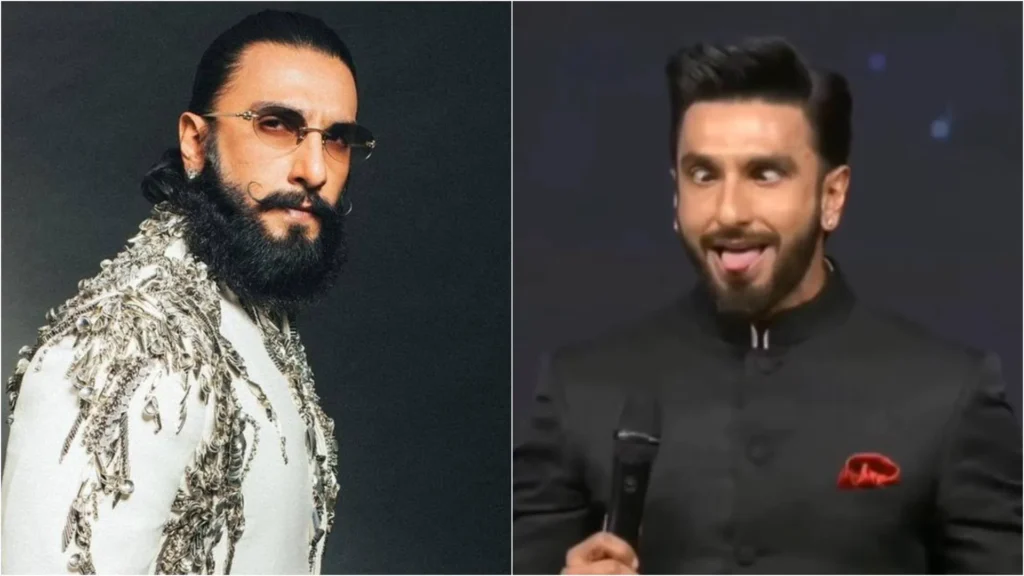
During the High Court proceedings, the actor’s legal team requested an expedited hearing to address the matter promptly, citing the undue stress and public attention that the ongoing investigation has generated. However, the bench declined to grant immediate priority, emphasizing that celebrity status should not influence judicial scheduling. The court made it clear that cases must be treated on the basis of merit, not notoriety, ensuring fairness and impartiality in proceedings.
The matter has now been scheduled for a regular hearing, and the High Court will examine the merits of the petition in due course. Observers note that the decision will likely set important precedent regarding the handling of cases involving public figures and the limits of criminal law in matters of artistic expression.
Public and Cultural Reactions
The incident has sparked intense public debate. Many supporters of Ranveer Singh argue that the mimicry was intended purely as a gesture of admiration and that he had no intention to offend anyone. They point out that he issued a public apology soon after the controversy, acknowledging the spiritual importance of the Daiva tradition and clarifying that his actions were meant to celebrate the artistry of the film, not mock the ritual.
On the other hand, critics argue that the performance trivialized a deeply revered practice and hurt religious sentiments. The controversy underscores the challenges public figures face in navigating cultural and spiritual sensitivities while engaging with a broad, diverse audience.
This debate highlights a broader societal question: where should the line be drawn between freedom of expression and respect for tradition? The case reflects the delicate balance that public figures, especially actors and artists, must maintain when their actions are subject to widespread public scrutiny.
Freedom of Expression and Legal Implications
The legal issues raised in this case extend beyond the individual dispute. Experts observe that petitions to quash FIRs are often filed when individuals believe that criminal law is being invoked without sufficient legal grounds. In this instance, the High Court’s eventual decision could provide clarity on how the law addresses cases where artistic expression intersects with cultural sensitivities.
The case also raises important questions about intent versus impact. While the law recognizes that deliberate actions intended to hurt religious feelings are punishable, determining intent in public performances and mimicry can be complex. The court will need to consider whether Singh’s mimicry was a genuine expression of admiration or whether it crossed the threshold of malicious intent.
Furthermore, the case has implications for the film and entertainment industry. Actors, filmmakers, and content creators often reference cultural and spiritual themes in their work. Clear judicial guidance will help define boundaries for creative expression and set standards for how public commentary on cultural practices should be approached.
Celebrity Accountability and Social Responsibility
Ranveer Singh’s case also underscores the unique responsibilities that come with celebrity status. Public figures have wide-reaching influence, and their words and actions can significantly impact perceptions of culture, religion, and community values. While artistic freedom is essential, it must be balanced with an awareness of how performances may be interpreted by diverse audiences.
At the same time, the case demonstrates that celebrities are entitled to the same legal protections as any other citizen. The petition challenges the FIR on legal and procedural grounds, emphasizing that criminal law should not be used to penalize unintentional actions or to suppress legitimate artistic expression.
👉 Ranveer Singh moves Karnataka High Court to quash FIR over Kantara mimicry – Deccan Herald