



The near-completion of the India EU Trade Agreement marks a historic moment in global economic diplomacy. After nearly two decades of stalled negotiations, renewed momentum has pushed the India EU Trade Agreement talks close to the finish line. This breakthrough did not emerge from routine diplomacy or incremental compromise. Instead, it was driven by global geo-economic shifts that fundamentally altered trade priorities, strategic calculations, and economic risk assessments for both India and the European Union.
As global supply chains fragment, geopolitical rivalries intensify, and economic nationalism rises, traditional trade frameworks have become less reliable. In this environment, India and the EU found strong incentives to deepen bilateral cooperation. This article explains, in a structured and point-to-point manner, how global geo-economic transformations revived India–EU trade talks and propelled them toward historic completion.
Understanding the India–EU Economic Relationship
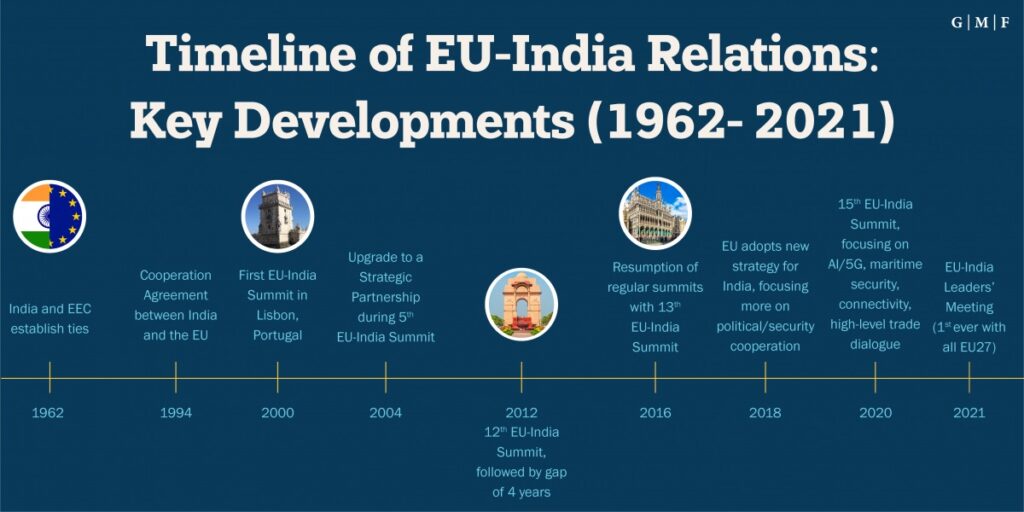
India and the EU as Complementary Economic Powers
India and the European Union represent two major pillars of the global economy, and the India EU Trade Agreement builds on this strong economic foundation. The EU is one of India’s largest trading partners, while India is among the EU’s fastest-growing external markets. Their economic structures are highly complementary:
- The EU brings advanced manufacturing, capital, and technology
- India offers scale, skilled labor, digital strength, and rapid consumption growth
Despite these advantages, the absence of a comprehensive trade agreement constrained the full potential of their economic engagement for years.
Why an India–EU Trade Agreement Matters
A completed trade agreement would:
- Expand market access for goods and services
- Encourage long-term investment flows
- Improve supply chain reliability
- Reduce exposure to global trade disruptions
More importantly, the India EU Trade Agreement would signal a shared commitment to rules-based trade in an increasingly fragmented global economy.
The Long History of Stalled Negotiations
Early Negotiations and Initial Optimism
India and the EU launched free trade negotiations in 2007, laying the groundwork for what would later become the India EU Trade Agreement, at a time when globalization was accelerating and multilateral trade frameworks were still strong. Early negotiation rounds focused on tariff liberalization, services, and investment protection.
However, progress slowed as negotiations entered politically sensitive territory.
Structural Issues That Halted Progress
Several factors caused talks to stall for years:
- Tariff disputes: India’s high import duties on automobiles, wines, and industrial goods conflicted with EU demands.
- Services and mobility barriers: India sought easier movement for professionals, while EU member states remained cautious.
- Regulatory differences: Disagreements over intellectual property, data rules, and environmental standards persisted.
- Domestic political resistance: Industry groups on both sides opposed rapid liberalization.
By 2013, negotiations were effectively frozen, with neither side willing to compromise.
A Changed Global Economy: The Catalyst for Revival
The revival of India EU Trade Agreement talks cannot be understood without examining the broader transformation of the global economic order that reshaped priorities for both India and the European Union.
Geo-Economic Shift One: Fragmentation of Global Trade
Decline of Multilateral Trade Confidence
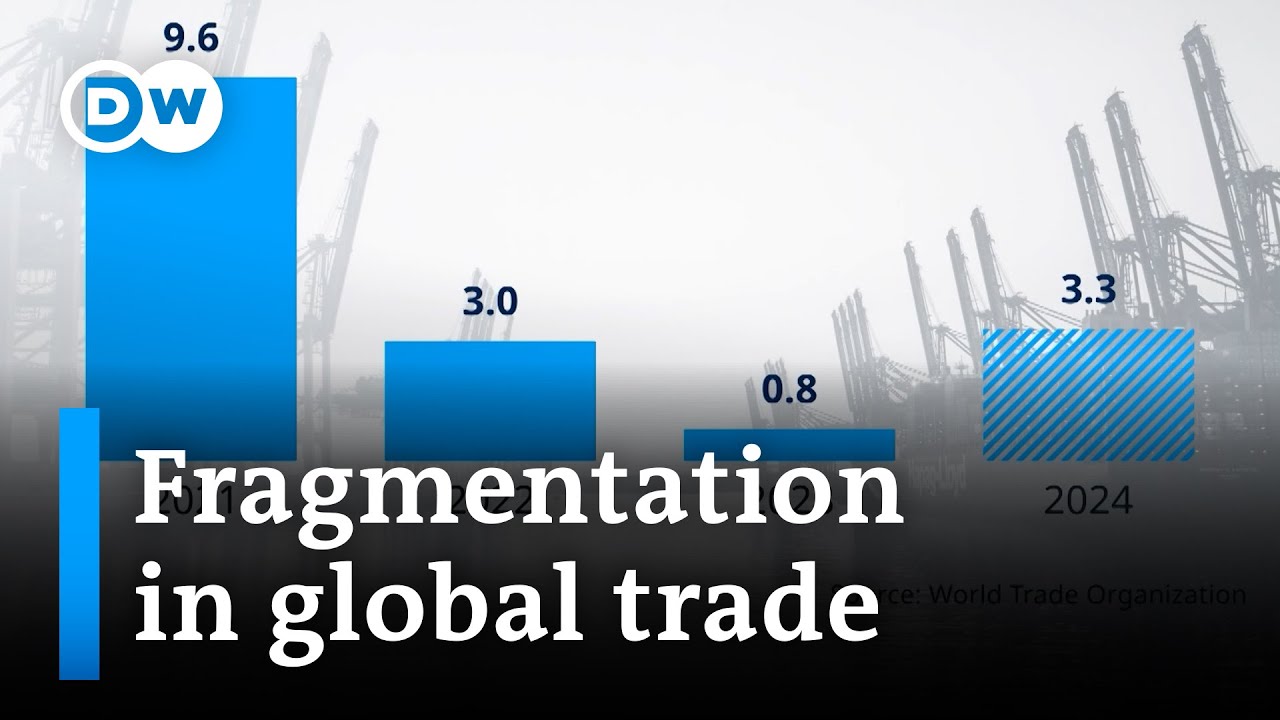
The global trading system has faced growing strain, creating conditions that made the India EU Trade Agreement increasingly relevant. Multilateral institutions have struggled to resolve disputes, while consensus-based decision-making has become increasingly difficult.
As a result, countries have turned to bilateral and regional agreements to secure economic interests.
Rise of Protectionism and Trade Uncertainty
Trade barriers, export controls, and industrial subsidies have become more common worldwide, increasing uncertainty for global businesses. This volatility made long-term trade planning difficult for both sides, strengthening the case for the India EU Trade Agreement as a source of stability and predictability.
A bilateral agreement offered predictability that global mechanisms could no longer guarantee.
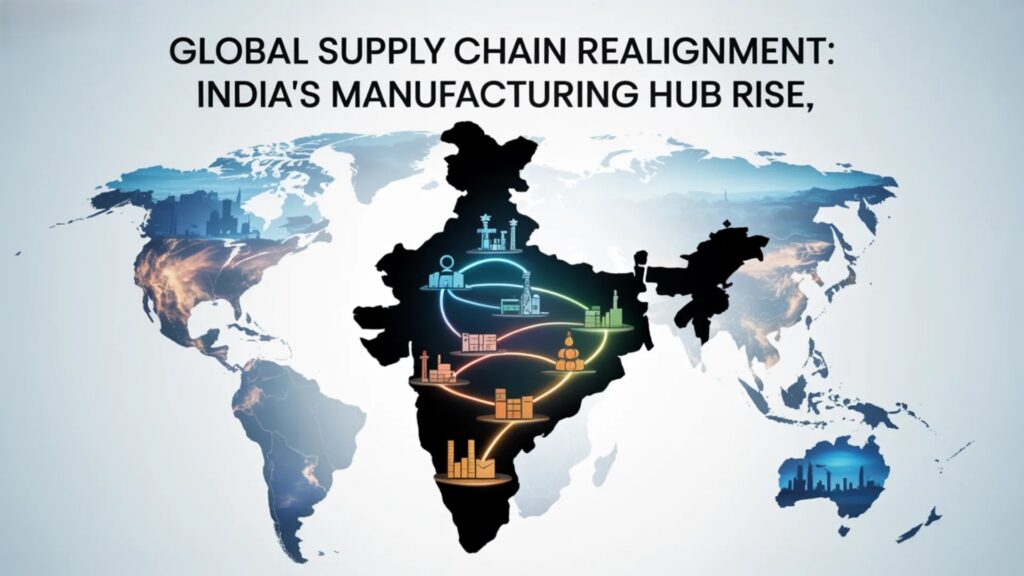
Geo-Economic Shift Two: Supply Chain Realignment
Lessons from Global Disruptions
Global crises exposed the risks of over-concentrated supply chains. Delays, shortages, and rising costs highlighted the need for diversification.
Both India and the EU recognized the strategic importance of building resilient, diversified supply networks.
India’s Growing Role in Global Supply Chains
India’s expanding manufacturing base, policy reforms, and digital infrastructure positioned it as a viable alternative production hub. For the EU, deeper trade ties with India offered access to diversified supply chains without over-reliance on any single country.
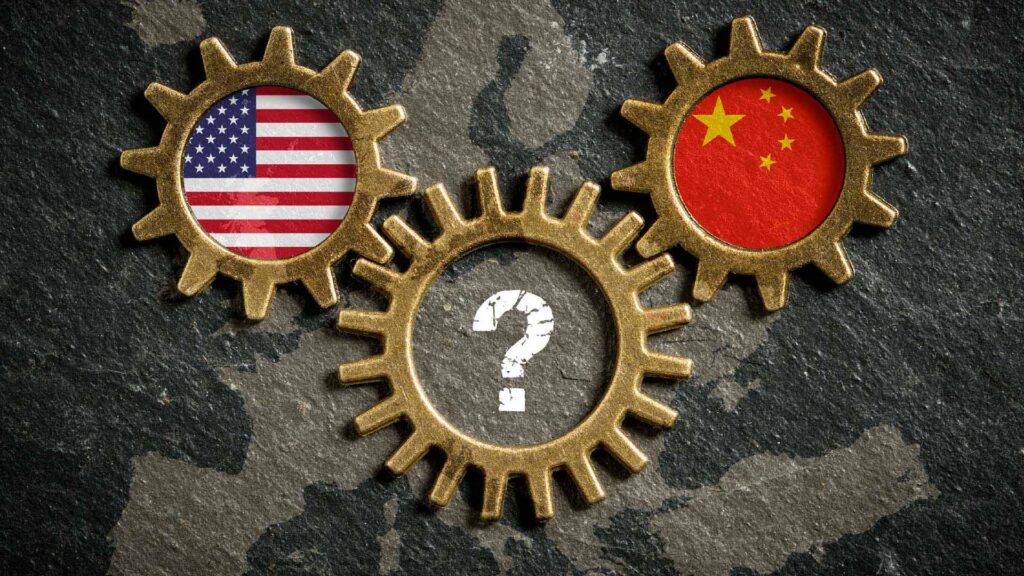
Geo-Economic Shift Three: Strategic Autonomy Becomes a Priority
Europe’s Push for Economic Independence
The EU increasingly adopted the concept of “strategic autonomy,” aiming to reduce dependence on external powers for critical goods, technologies, and markets.
India emerged as a natural partner in this strategy due to its size, stability, and democratic framework.
India’s Diversification Strategy
India also sought to balance its trade relationships by strengthening ties beyond traditional partners. Closer economic engagement with the EU aligned with India’s broader strategy of diversification.
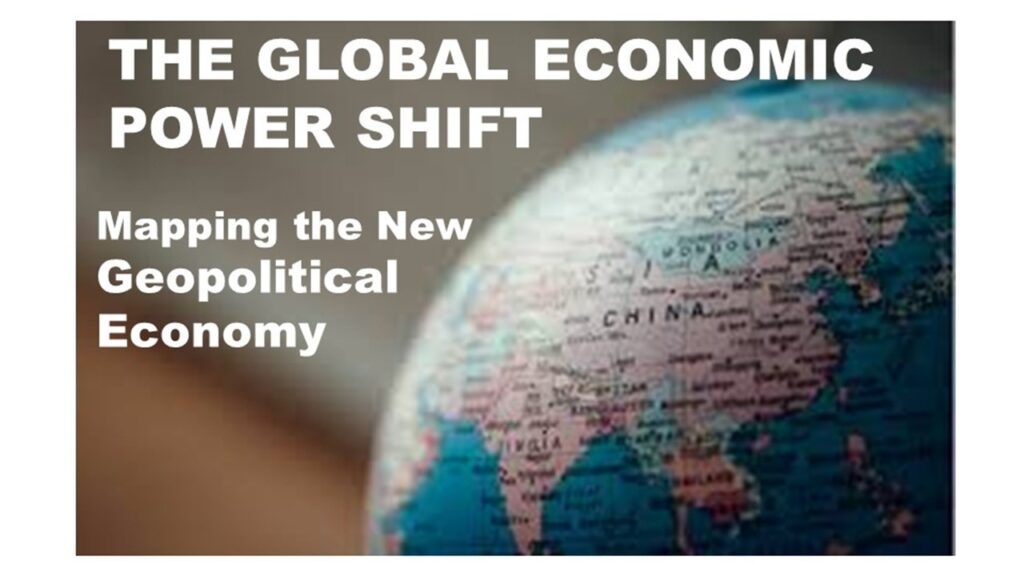
Geo-Economic Shift Four: Shifts in Global Power Dynamics
Reduced Predictability in Traditional Alliances
Changes in global power relations introduced uncertainty into long-standing trade partnerships. Economic policies became more transactional, increasing the risk of sudden disruptions.
India and the EU responded by seeking more stable, mutually beneficial trade arrangements.
A Shared Interest in Rules-Based Trade
Both sides emphasized the importance of transparent, predictable trade rules. Reviving bilateral talks became a way to uphold shared economic values amid global volatility.
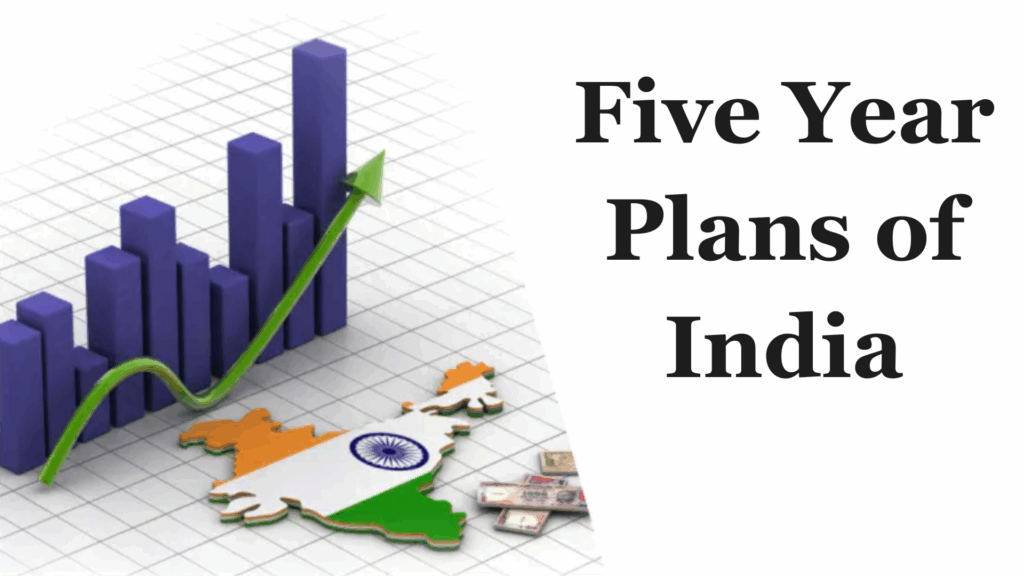
Geo-Economic Shift Five: India’s Domestic Economic Transformation
Structural Reforms and Market Confidence
Over the past decade, India implemented reforms aimed at improving ease of doing business, expanding manufacturing, and encouraging foreign investment.
These changes increased India’s confidence in entering comprehensive trade agreements.
Export-Led Growth Ambitions
India’s long-term growth strategy depends on expanding exports. Preferential access to high-income markets like the EU became increasingly important.
This economic imperative played a key role in reviving stalled negotiations.
The Revival of India–EU Trade Talks
Formal Resumption of Negotiations
With global conditions shifting, India and the EU formally resumed negotiations after years of inactivity. Unlike earlier attempts, the renewed talks were pragmatic and outcome-oriented.
Strong Political Commitment
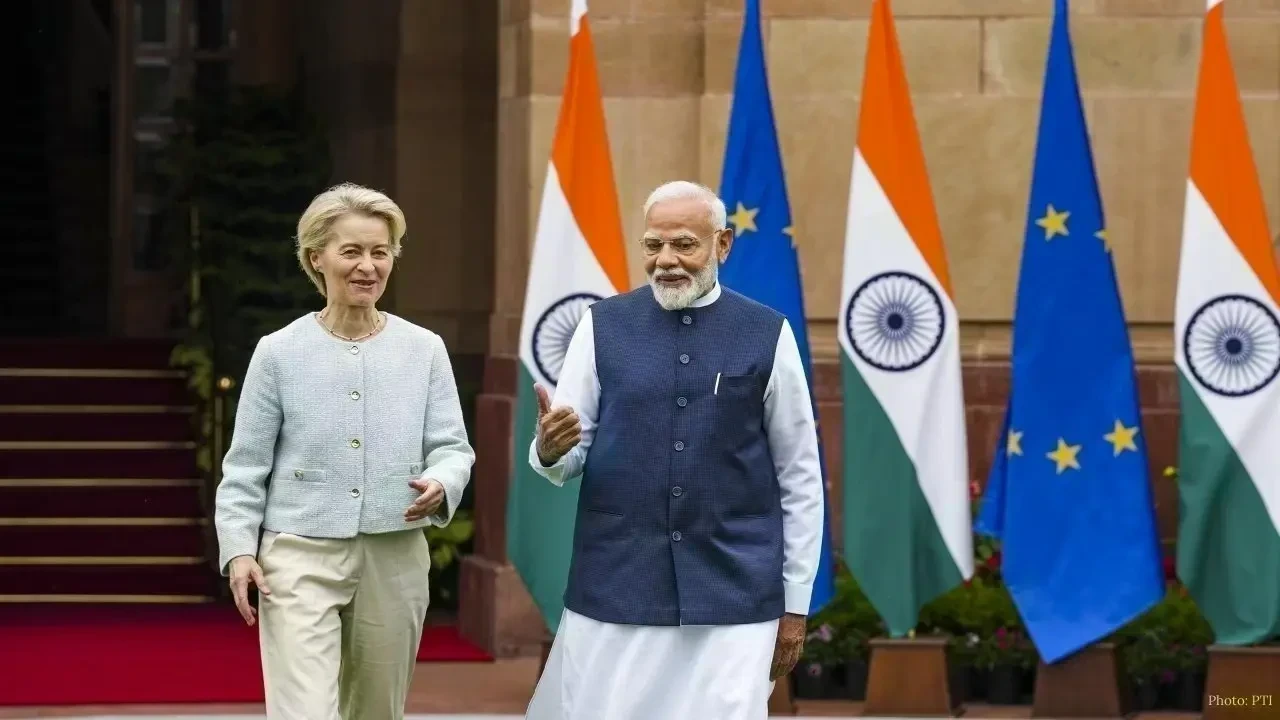
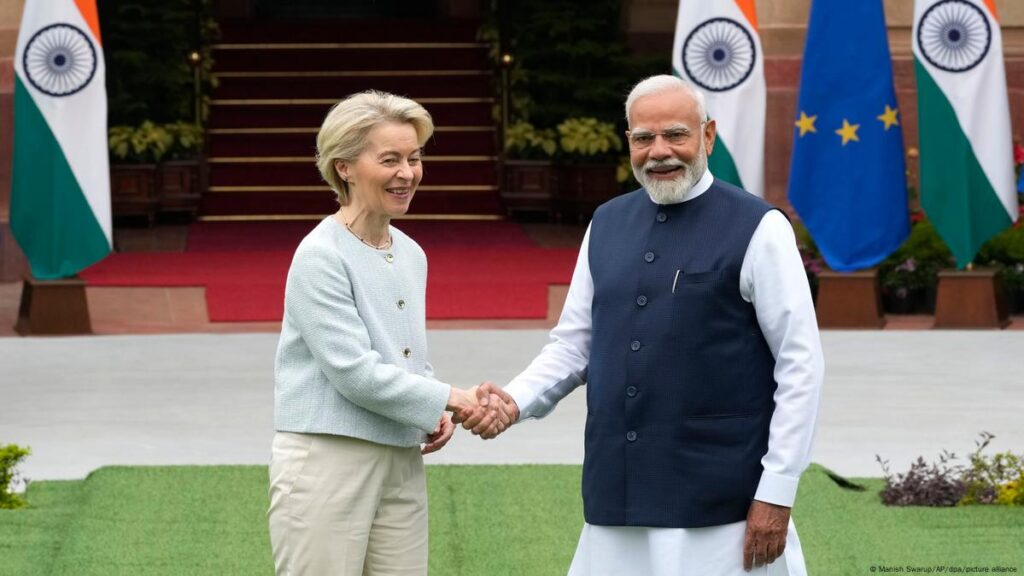
High-level political backing ensured continuity and momentum. Leaders on both sides publicly emphasized the strategic importance of concluding the agreement.
This political will helped overcome bureaucratic inertia and domestic resistance.
Accelerated Negotiation Timelines
Negotiations progressed rapidly through frequent rounds and parallel discussions. This pace reflected urgency driven by external economic pressures.
Key Compromises That Moved Talks Forward
Flexibility on Tariffs
India signaled readiness to gradually reduce tariffs on select European goods through phased timelines, addressing one of the EU’s core demands.
Progress on Services and Investment
The EU showed greater openness toward services trade and investment access, responding to long-standing Indian concerns.
Safeguards for Sensitive Sectors
Both sides agreed on protections for politically sensitive industries, allowing liberalization without excessive domestic disruption.
Why Geo-Economics Pushed the Deal Toward Completion
Economic Security Over Maximalist Demands
The final push came when both sides prioritized economic security and resilience over rigid negotiating positions.
Cost of Inaction Became Too High
Global uncertainty increased the risks of remaining without a bilateral trade framework. This realization shifted negotiations from confrontation to cooperation.
Strategic Alignment Beyond Trade
The agreement became part of a broader strategic partnership involving technology, climate cooperation, digital governance, and regional stability.
Expected Economic Impact of the Agreement
Growth in Bilateral Trade
Lower tariffs and improved market access are expected to significantly increase trade volumes across multiple sectors.
Boost to Investment and Innovation
European investment in Indian manufacturing, clean energy, and services is likely to rise, bringing technology transfer and job creation.
Opportunities for Small and Medium Enterprises
Simplified rules and reduced barriers will help smaller firms participate more actively in cross-border trade.
Implementation Challenges Ahead
Ratification and Legal Processes
The agreement must undergo domestic approval processes before full implementation, which may take time.
Regulatory Alignment and Standards
Differences in standards, sustainability rules, and digital governance will require continued dialogue even after the deal enters into force.
Adjustment Pressures on Domestic Industries
Some sectors may face increased competition, requiring policy support and gradual adaptation.
Trade barriers and export controls are rising globally, as noted by the World Trade Organization (WTO), and the International Monetary Fund (IMF) reports that these disruptions hurt global trade growth. This uncertainty makes the India EU Trade Agreement increasingly important for predictable bilateral commerce.
For related global impact stories, you can also read about endangered Indian vultures