




Global CAFE Incentives are at the center of a growing debate as India’s automotive industry reaches a major crossroads. With rising fuel costs, stricter environmental regulations, and a rapid shift toward electric vehicles (EVs), the future of small cars in India has become increasingly uncertain. While some automakers believe these incentives could revive the small car segment, others argue they may slow down the country’s EV transition.
1. Understanding CAFE Norms and Their Impact
CAFE norms are designed to ensure automakers maintain a certain average fuel efficiency across their fleet. The goal is to reduce carbon emissions and improve fuel economy.
What CAFE Means for India
India introduced its own CAFE standards to reduce emissions and increase fuel efficiency across vehicles. As the norms tighten over time, automakers need to produce cleaner and more efficient cars.
Why CAFE Matters for Small Cars
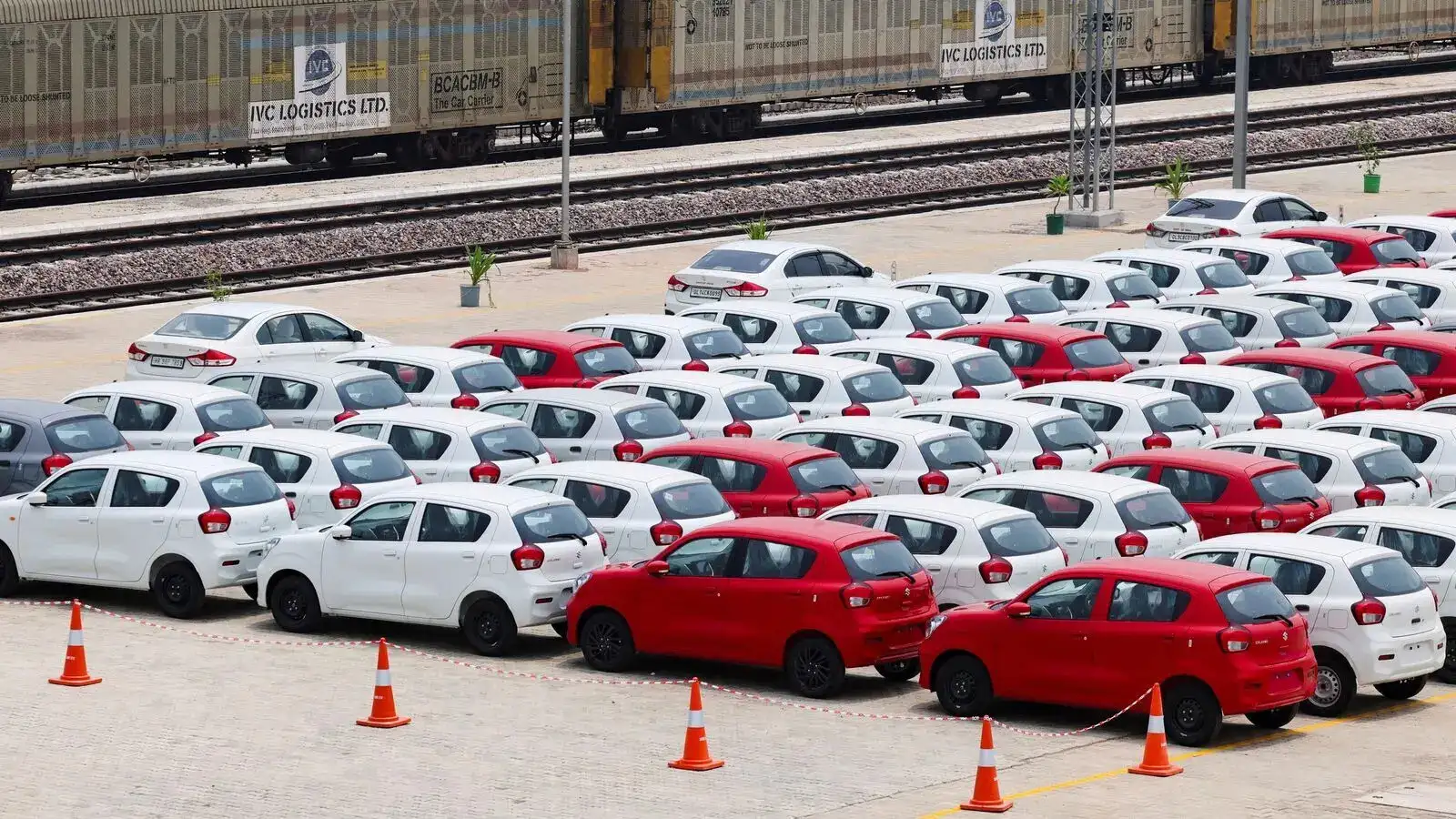
Small cars are usually more fuel-efficient, lighter, and cheaper to maintain. However, under current rules, small cars may still struggle to meet future CAFE targets because of how regulations are calculated. This is where global CAFE incentives can help.
2. Why Automakers Are Divided
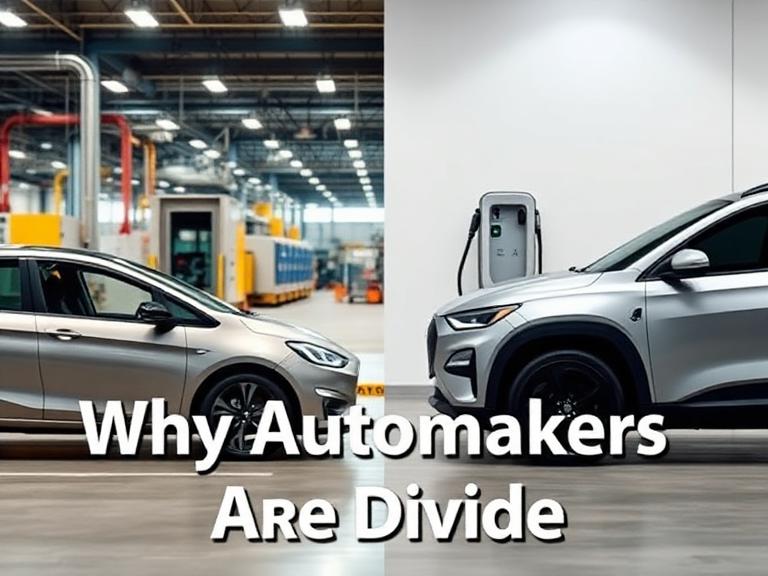
The key debate is whether India should adopt global-style CAFE incentives that provide flexibility to automakers producing smaller vehicles.
Proponents: Small Car Makers
Companies like Maruti Suzuki strongly support CAFE incentives. They argue that small cars are already fuel-efficient and low-emission. Under stricter rules, small car makers may struggle to comply without incentives or relaxations.
Opponents: EV-Focused Automakers
Automakers such as Tata Motors, Hyundai, and Mahindra oppose these incentives. They argue that giving benefits to small petrol cars could slow down the EV transition and weaken India’s climate goals.
3. What Global CAFE Incentives Look Like

In many global markets, CAFE incentives are used to support smaller vehicles and reduce carbon emissions without harming consumer affordability.
Footprint-Based Norms
In the US and EU, CAFE targets often vary based on vehicle size or “footprint”. Smaller cars get more lenient targets, making it easier for manufacturers to comply.
Weight-Based Relaxations
Some countries give relaxations based on vehicle weight. Lighter vehicles have lower targets due to their natural efficiency advantages.
Credits and Penalties
Global CAFE systems often include a credit system. Manufacturers that exceed targets earn credits, while those that fall short pay penalties.
4. Why Small Cars Are Essential for India
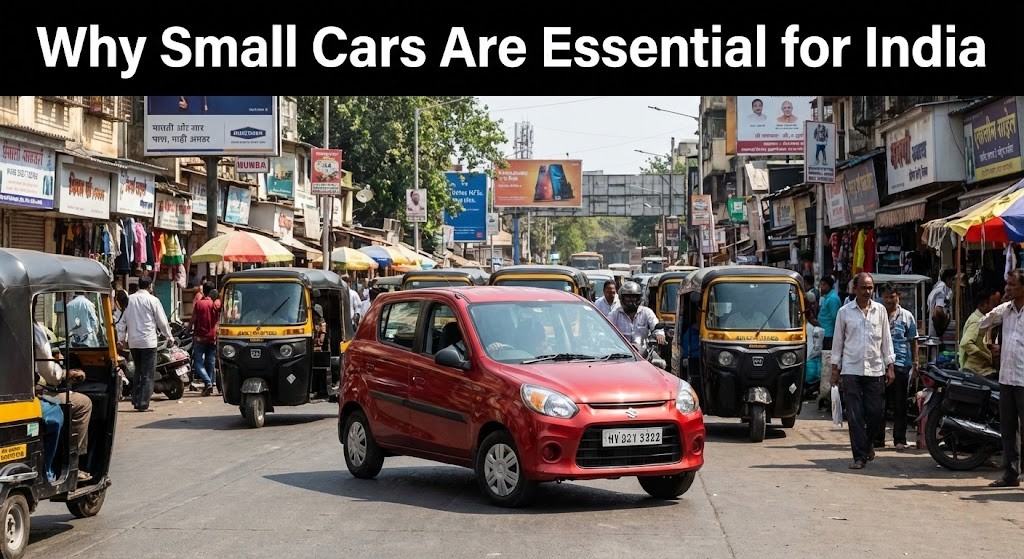
Small cars are not just popular—they are vital to India’s mobility landscape.
Affordable Mobility for Millions
For many Indian families, a small car is the first step towards ownership. These vehicles provide a cost-effective way to commute, travel, and manage daily life.
Lower Road Congestion
Small cars take up less space, helping to reduce congestion in cities. With India’s urban population growing, compact cars remain crucial for traffic management.
Lower Environmental Impact
Although EVs are the future, small petrol cars still offer better fuel efficiency and lower emissions than larger SUVs and heavy vehicles.
5. How Global CAFE Incentives Can Help Small Cars

If India adopts global-style incentives, the small car segment could experience a major revival.
1. Reduced Compliance Costs
With relaxed norms, automakers won’t need to spend as much on advanced technologies to meet strict CAFE targets. This will help keep small car prices affordable.
2. Continued Investment in Small Cars
Automakers will have more confidence to invest in small car development and production, keeping the segment alive.
3. More Consumer Choice
With more small car models available, consumers will have better choices, especially in Tier 2 and Tier 3 cities.
4. Better Balance Between EVs and ICE Vehicles
Global CAFE incentives can create a balanced approach where EV growth continues while small cars remain relevant for affordability.
6. The Risks of CAFE Incentives
While global-style incentives offer benefits, they also come with potential risks.
1. EV Adoption Could Slow
Giving incentives to small petrol cars could reduce the urgency for automakers to invest in EVs. This may slow India’s transition to electric mobility.
2. Market Distortion
Some automakers may benefit more than others, leading to unfair competition. This could create an unbalanced market.
3. Safety Concerns
If incentives focus only on weight or size, safety standards might be overlooked. Small cars must still meet crash and safety norms.
7. What Policymakers Should Consider

To make global CAFE incentives effective, policymakers must design a balanced and fair system.
1. Targeted Incentives
Incentives should be designed to support only genuinely efficient small cars, not just lightweight vehicles.
2. Safety and Emission Standards
Incentives must be linked to safety compliance and real-world emission performance.
3. Encouraging EV Transition
The policy should support small cars without weakening EV growth. Incentives could be phased out gradually as EV adoption increases.
4. Consumer Benefits
The primary goal should be to keep vehicles affordable for consumers while improving fuel efficiency and reducing emissions.
8. What This Means for Indian Consumers
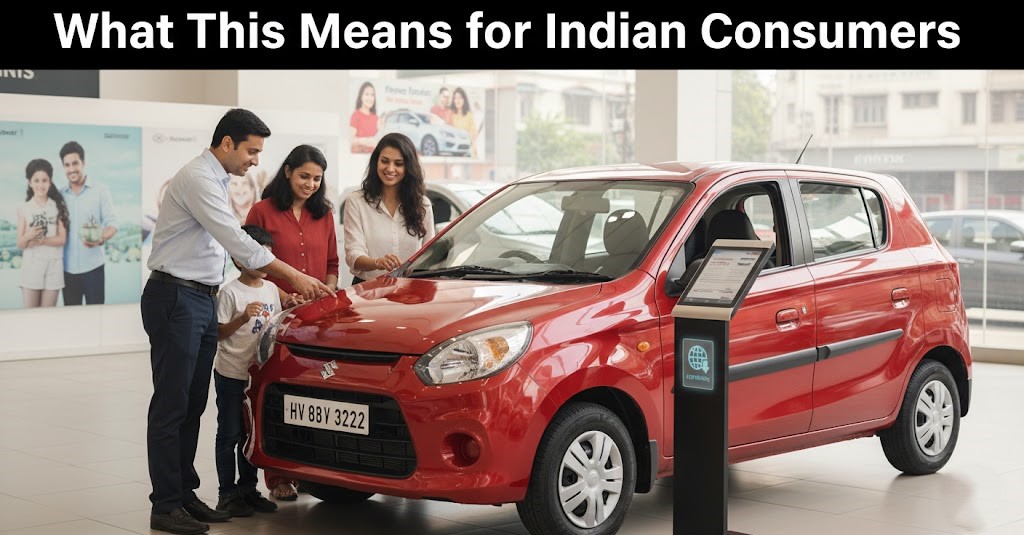
The future of small cars is directly linked to affordability and mobility for millions of Indians.
More Affordable Car Options
If global CAFE incentives are adopted, small cars could remain a viable option for budget buyers.
Better Fuel Efficiency
Small cars will continue to provide better mileage, reducing the cost of ownership.
Greater Choice
Consumers will have access to more small car models with modern features.
For more details on global fuel efficiency standards and how CAFE norms work, you can refer to the EPA’s official CAFE Standards
Read our detailed Yamaha XSR 155 Retro-Modern motorcycle review here