





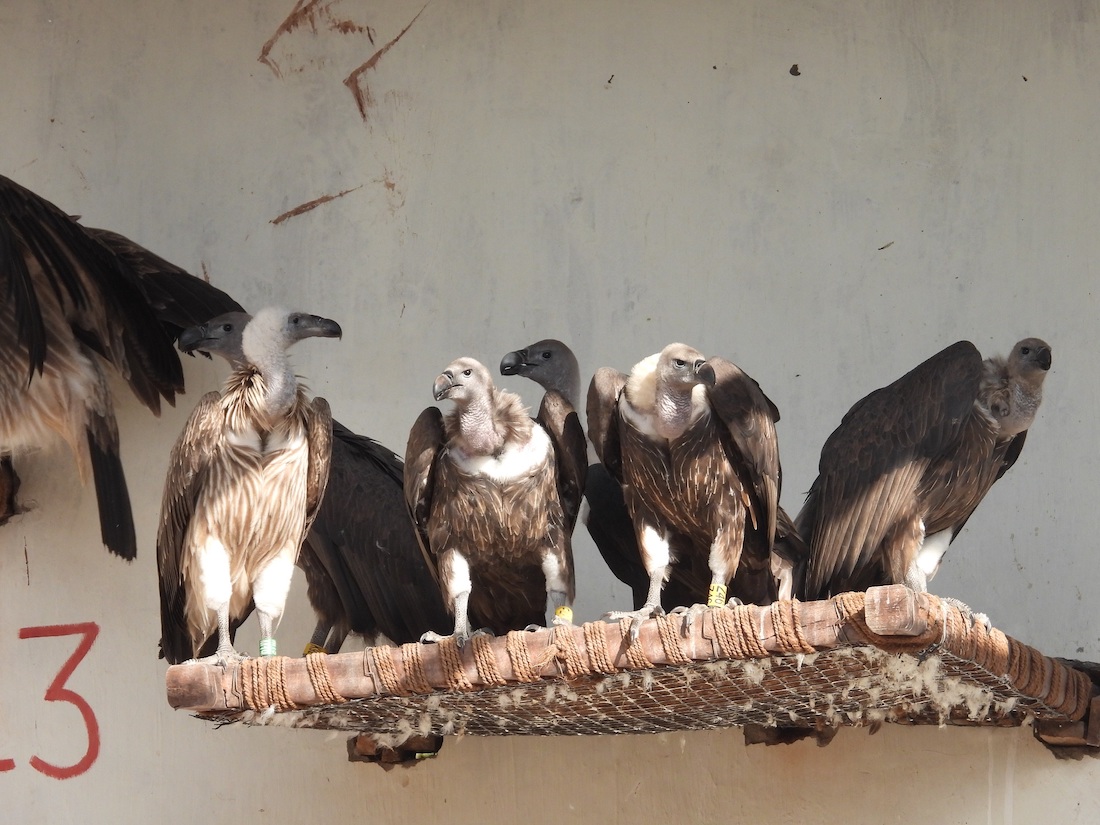
Maharashtra has achieved a significant conservation milestone with the successful release of 15 Endangered Indian Vultures into a protected tiger reserve. This reintroduction of endangered Indian vultures marks a major effort to revive one of India’s most threatened bird species. Conservationists see this carefully planned release of endangered Indian vultures as a hopeful step toward restoring ecological balance and reversing the catastrophic decline of vultures across the country over the last few decades.
The initiative reflects India’s growing focus on science-based wildlife recovery programs, moving beyond protection toward active restoration of endangered species within their natural habitats.
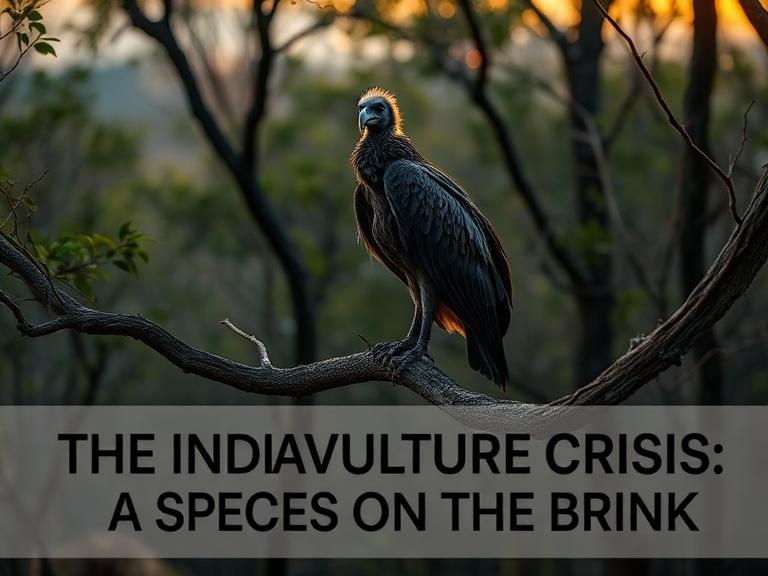
The Indian Vulture Crisis: A Species on the Brink
Once Abundant, Now Endangered
India was once home to millions of birds, with endangered Indian vultures (Gyps indicus) dominating the skies across rural landscapes, forests, and grasslands. However, by the early 2000s, populations of endangered Indian vultures had collapsed by more than 97 percent, pushing the species into the critically endangered category. Conservation efforts to save these endangered Indian vultures have since become a top priority for wildlife authorities across the country.
This sharp decline is considered one of the fastest population crashes recorded in wild birds anywhere in the world.
Diclofenac: The Primary Cause
The main reason behind this collapse was the widespread use of diclofenac, a veterinary drug administered to livestock. When vultures fed on carcasses of treated animals, the drug caused acute kidney failure, leading to rapid death. Despite the drug being banned for veterinary use, its long-term impact continues to influence conservation strategies.
Why Vultures Are Essential to the Ecosystem
Nature’s Sanitation Workers
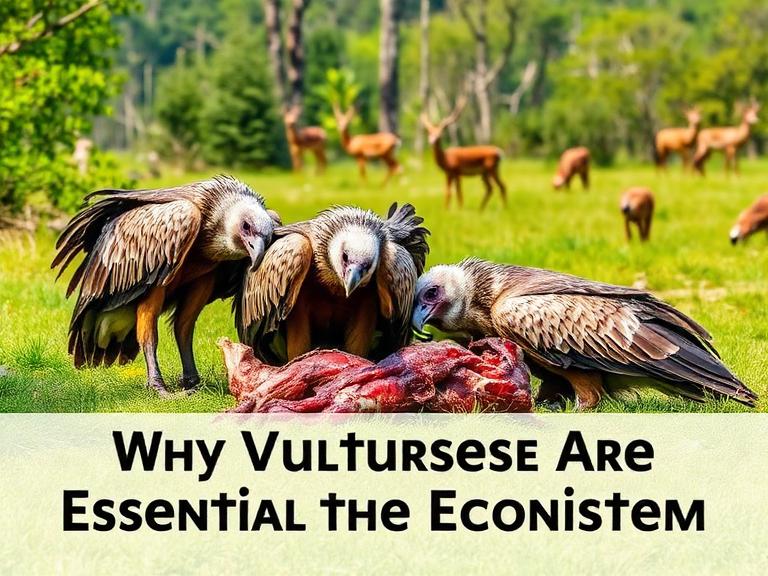
Vultures play a crucial role as scavengers, rapidly consuming animal carcasses that would otherwise rot in the open. This natural cleanup process prevents the spread of dangerous pathogens and reduces the risk of disease outbreaks among wildlife, livestock, and humans.
Impact on Public Health
Following the decline of vultures, India witnessed a surge in feral dog populations feeding on carcasses. This contributed to an increase in rabies cases and other zoonotic diseases. By restoring vulture populations, conservationists aim to naturally control these risks and improve overall environmental health.
Why a Maharashtra Tiger Reserve Was Selected
Safe and Protected Habitat
Tiger reserves are among the most strictly protected landscapes in India. These reserves provide large, undisturbed forest areas with minimal human interference, making them ideal for reintroducing sensitive and endangered Indian vultures. The release of endangered Indian vultures in such protected habitats ensures better survival rates and supports ongoing endangered Indian vulture conservation efforts across the country.
The chosen reserve in Maharashtra provides suitable nesting cliffs, tall trees for roosting, and favorable wind currents essential for large soaring birds.
Part of a Vulture Safe Zone
The release site lies within a Vulture Safe Zone (VSZ), where toxic veterinary drugs such as diclofenac are strictly prohibited. Regular monitoring ensures that livestock carcasses available for scavenging are free from harmful substances, significantly increasing survival chances for released vultures.
Background of the Released Vultures
Conservation Breeding and Rehabilitation
The 15 vultures released into the wild were raised under controlled conservation breeding programs. These programs focus on maintaining genetic diversity while preparing birds for survival in natural conditions.
Before release, the vultures underwent flight training, learned natural feeding behavior, and were gradually exposed to outdoor environments to build strength and endurance.
Health Screening and Tagging
Each vulture was subjected to comprehensive health checks to rule out disease and injury. Some birds were fitted with GPS or wing tags, enabling wildlife experts to track their movement, feeding patterns, and habitat use after release.
Scientific Planning Behind the Reintroduction
Careful Site Assessment
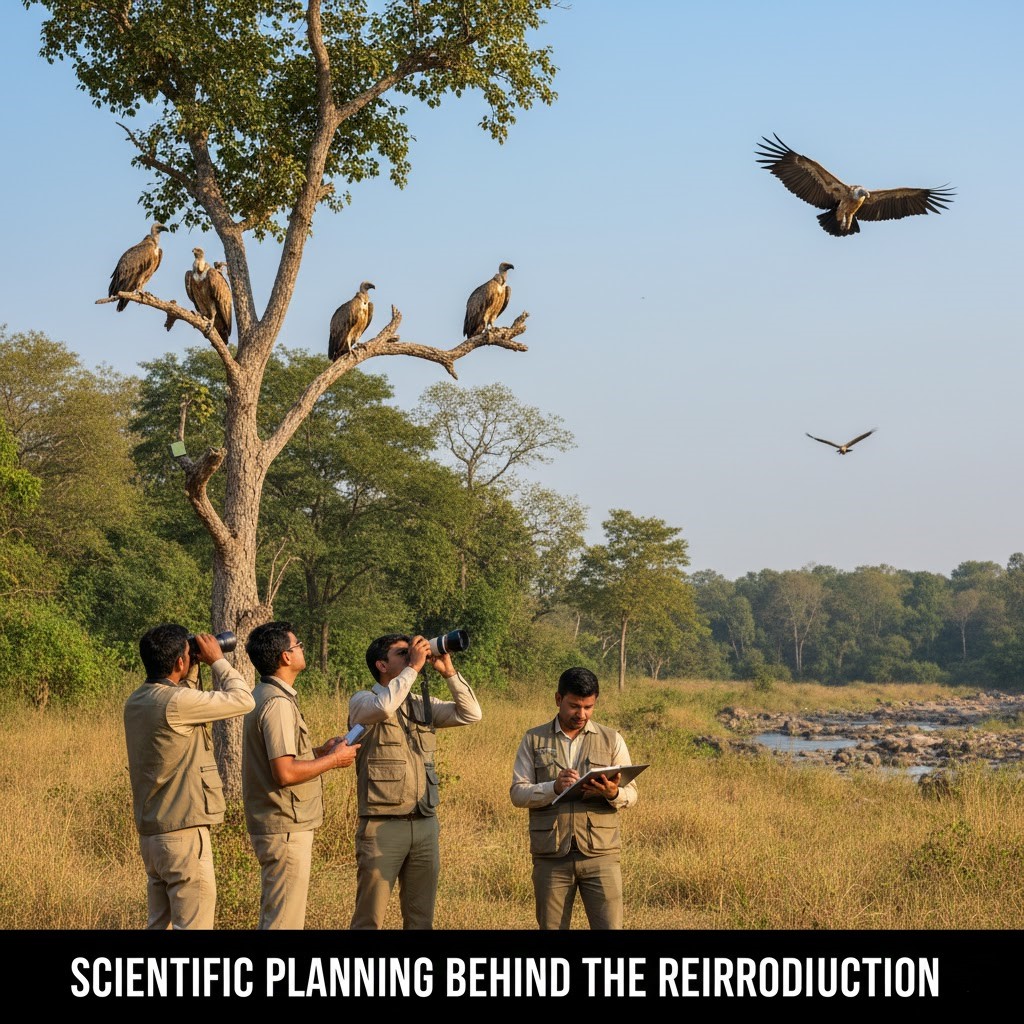
The reintroduction was based on years of ecological research. Scientists evaluated prey availability, carcass density, historical vulture presence, nesting potential, and seasonal climate patterns before approving the release location.
Such planning ensures that the birds are not only released but have a realistic chance of long-term survival.
Soft Release Strategy
Instead of immediate freedom, conservationists used a soft release approach. The vultures were first kept in large enclosures within the reserve, allowing them to acclimatize to local conditions. This gradual transition significantly improves adaptation and reduces post-release stress.
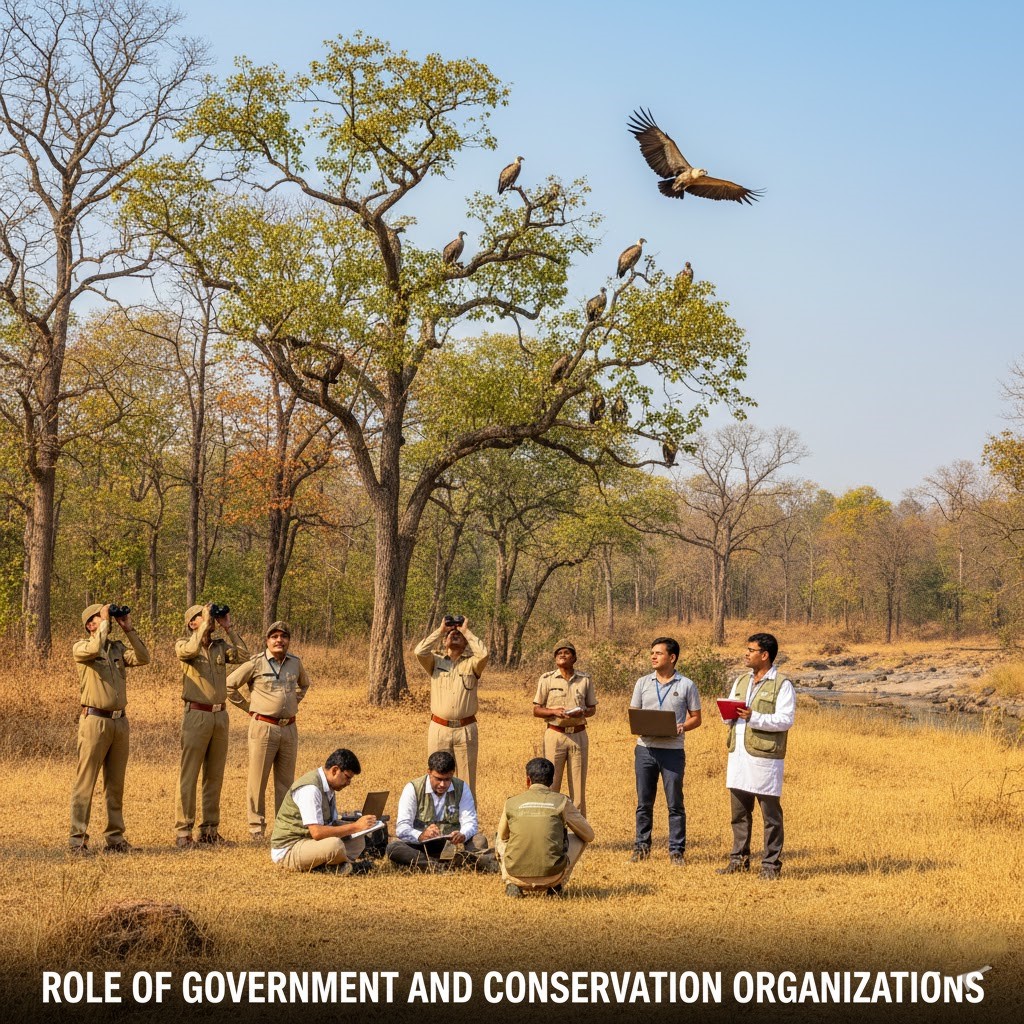
Role of Government and Conservation Organizations
Collaborative Conservation Effort
The project was implemented through cooperation between the Maharashtra Forest Department, national wildlife authorities, and conservation organizations. These partnerships play a critical role in funding, monitoring, policy enforcement, and public outreach.
Strengthening Wildlife Policy
India’s ban on veterinary diclofenac and promotion of safer alternatives like meloxicam form the backbone of vulture recovery efforts. Continued enforcement and awareness among livestock owners remain essential to prevent future population crashes.
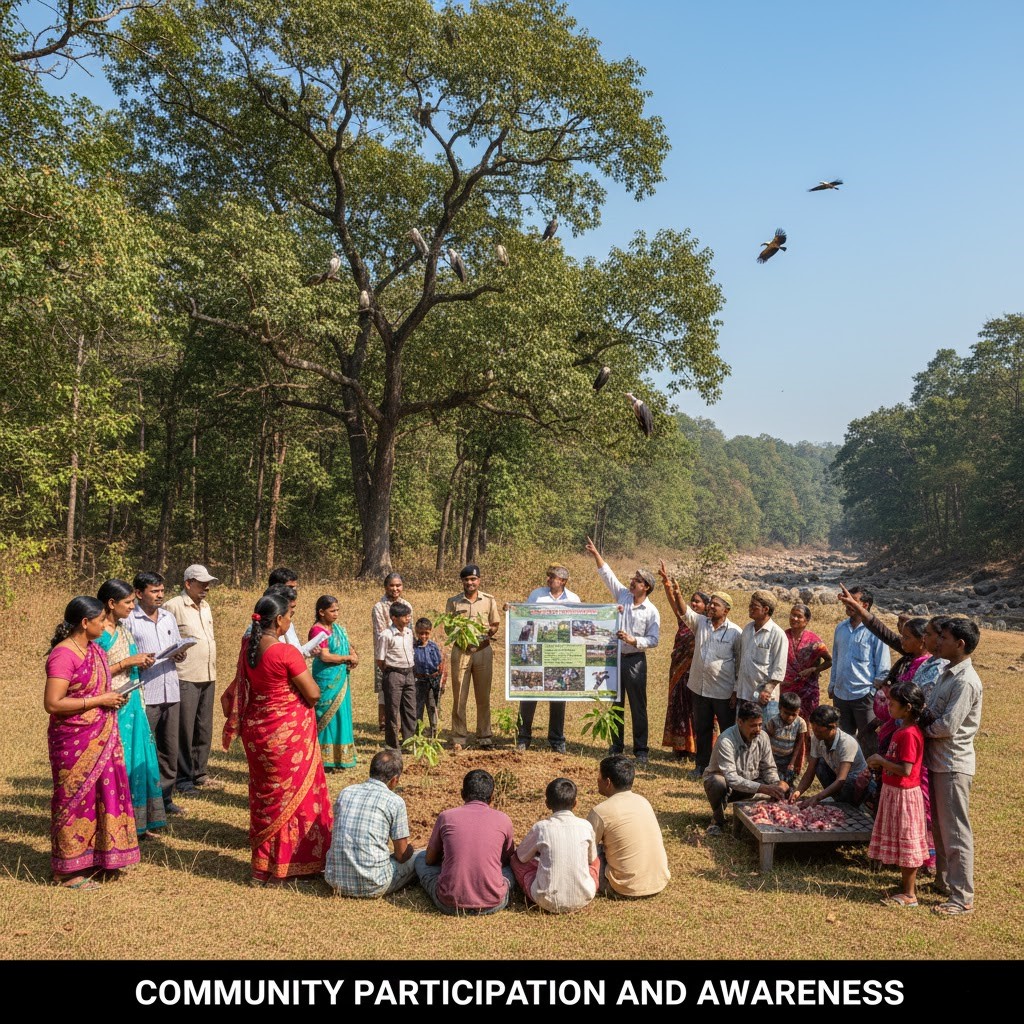
Community Participation and Awareness
Educating Local Communities
Villages surrounding the tiger reserve were actively involved in the conservation process. Awareness programs highlighted the ecological and health benefits of vultures, helping dispel myths and encourage cooperation.
Reducing Human-Related Threats
Community engagement helps reduce threats such as poisoning, improper carcass disposal, and disturbance near nesting sites. Local support is widely recognized as a key factor in the long-term success of wildlife reintroduction programs.
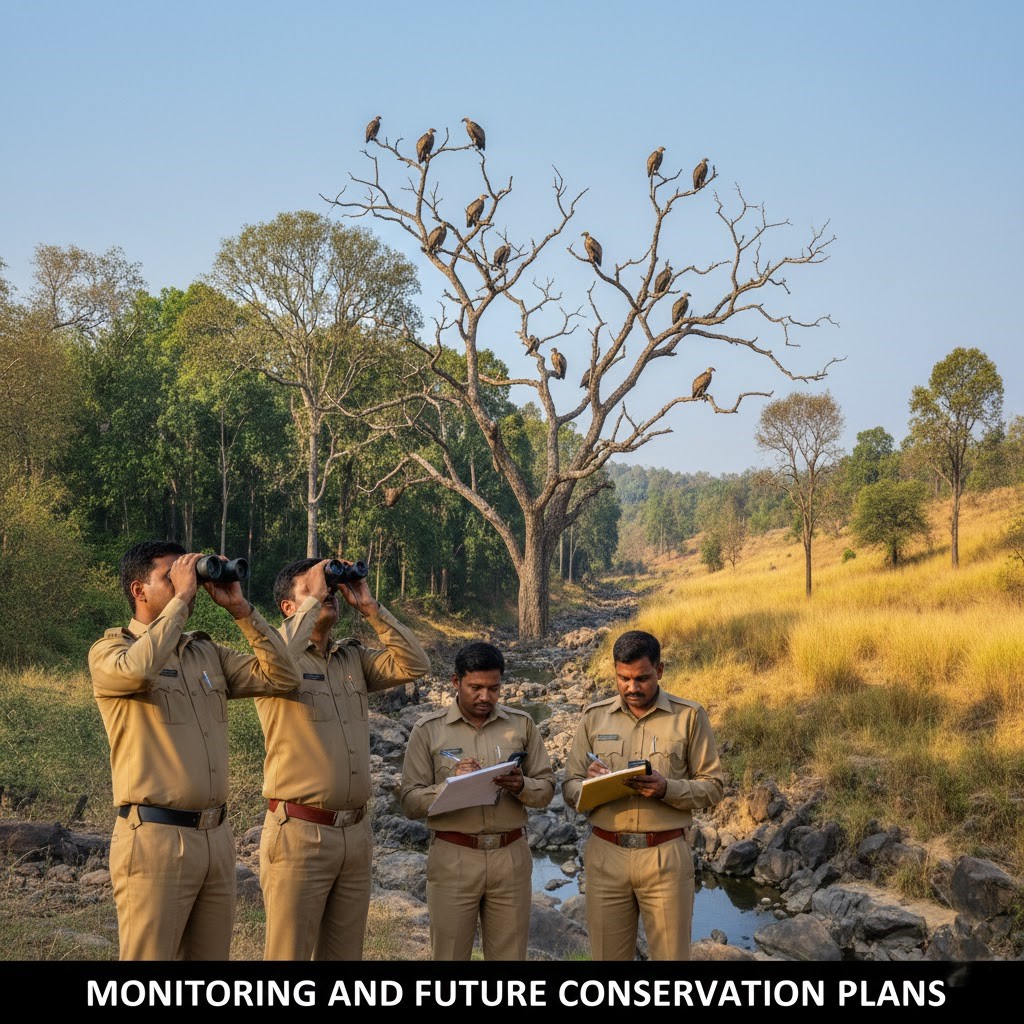
Monitoring and Future Conservation Plans
Long-Term Tracking and Research
After release, the vultures will be closely monitored for several years. Data from tracking devices will help researchers understand survival rates, movement patterns, and habitat preferences.
Expanding the Program
If the vultures successfully adapt and begin breeding in the wild, similar releases may be carried out in other protected areas across Maharashtra and neighboring states. The goal is to create stable vulture populations that no longer need human support.
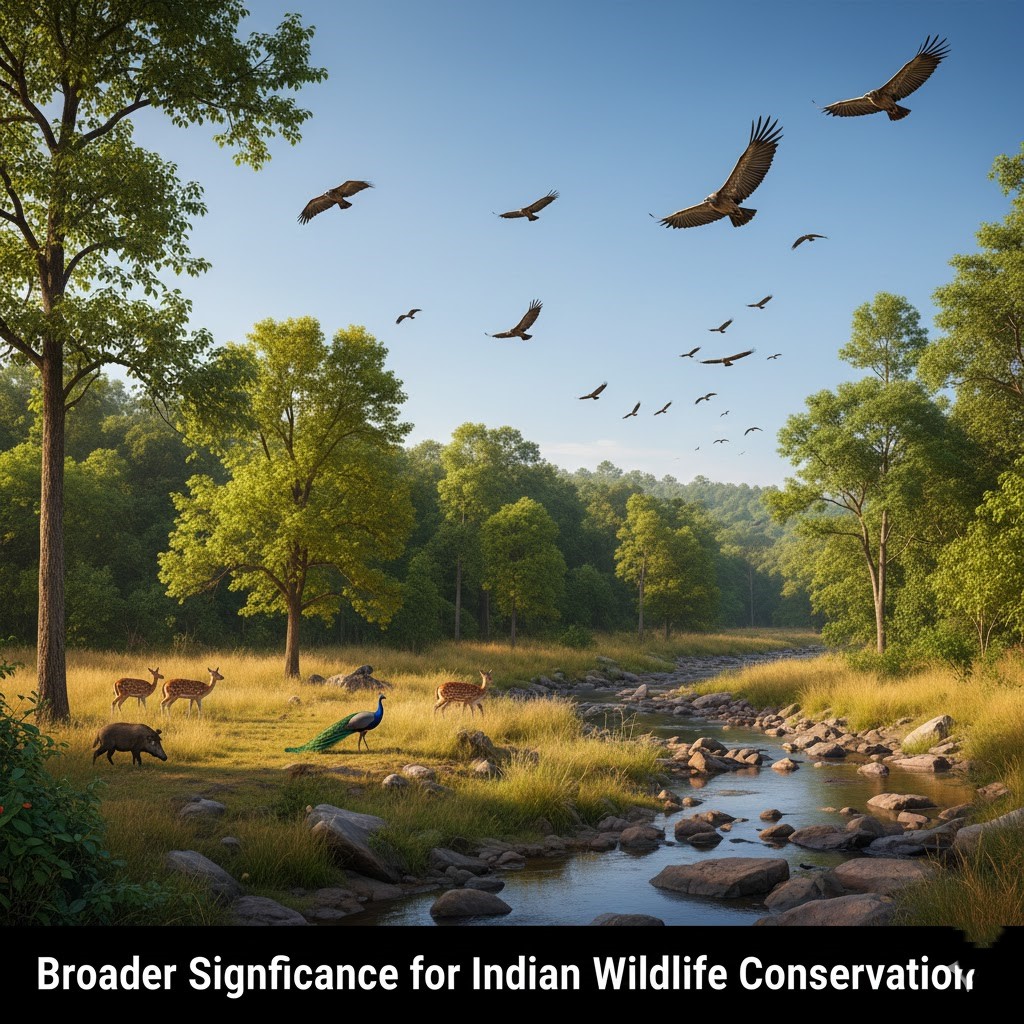
Broader Significance for Indian Wildlife Conservation
A Shift Toward Active Restoration
The vulture release reflects a broader shift in India’s conservation strategy—from passive protection to active species recovery. Similar approaches are being used for other endangered animals to rebuild ecosystems that have been severely disrupted by human activity.
Global Importance of India’s Efforts
Since India historically supported the majority of the world’s vulture population, successful recovery here could stabilize global numbers. International conservation groups are closely observing these initiatives as potential models for other regions.
According to the Bombay Natural History Society (BNHS), India’s vulture conservation programmes focus on breeding, reintroduction, and the creation of vulture safe zones to reverse population decline.
According to experts at the Bombay Natural History Society (BNHS), vulture reintroduction programs play a vital role in maintaining ecological balance and preventing disease spread in rural landscapes.
Your page at https://skinnyzine.com/japanese-woman-marries-ai-chatbot-love-story/does not link to any other pages on your own website.