





Asian stock markets traded lower on Friday, reflecting growing investor unease over technology stocks, economic uncertainties, and the global ripple effects of market volatility. Asian Markets Today The losses in Asia followed an extended sell-off in the U.S. technology sector, a trend that has been weighing heavily on investor sentiment for several sessions. This downturn highlights broader concerns regarding corporate spending on artificial intelligence (AI), the pace of technological adoption, and the uncertainty surrounding returns on these massive investments.
In Hong Kong, the Hang Seng Index (HSI) fell sharply, declining 304 points or 1.13% as of 10:20 am IST. South Korea’s Kospi also suffered, slipping 2% to 5,057, marking the second consecutive day of losses for the index. Meanwhile, mainland Chinese markets showed slight gains: Shanghai Composite rose 0.1% and Shenzhen Component Index climbed 0.6%, suggesting some regional resilience despite broader tech-driven jitters. Japan’s Nikkei 225 managed to edge higher, gaining 175 points (0.33%), signaling selective optimism among investors in the region.
Tech Sell-Off Continues to Pressure Markets

The recent turbulence in Asian markets can largely be traced to continued declines in U.S. technology stocks, which set the tone for global investor sentiment. Concerns have intensified over heavy corporate spending on AI technologies, with market participants questioning the timeline for meaningful returns. While AI promises to revolutionize industries—from automation to data analytics—the scale of investment required has sparked anxiety among investors about profitability, valuation risks, and the potential for overhyped market expectations.
Adding to these concerns, Anthropic, a leading AI startup known for its Claude chatbot, unveiled a new platform capable of replacing multiple software applications, including tools widely used in legal services and data-driven marketing. While innovative, such advancements also fuel speculation about the pace of automation, potential market disruptions, and the uncertainty of how quickly AI-generated efficiencies can translate into financial results.
U.S. Market Declines Set the Tone

U.S. stock markets closed lower for a third consecutive session on Thursday, further amplifying global market jitters. All three major indexes posted significant losses, with the Nasdaq Composite experiencing the steepest decline. This marked the worst three-day performance for U.S. equities since the tariff-driven market turmoil in April during Donald Trump’s presidency.
Economic data contributed to the downward pressure. Monthly job openings fell to their lowest levels since 2020, while companies announced the highest number of job cuts in January since the global financial crisis in 2009. These signals reinforced investor concerns about the broader health of the U.S. economy, particularly as the labor market and hiring activity appeared to soften.
The negative U.S. performance reverberated across global markets, creating a cautious tone for Asian equities. Investors weighed the dual challenges of slowing economic momentum and volatility in high-growth technology stocks, which have historically been a major driver of market gains.
Commodities Under Pressure

The sell-off was not limited to equities. Precious metals faced heavy selling pressure, with silver experiencing one of its steepest declines in recent history. At one point, silver prices plunged around 18%, falling to nearly $70 per ounce, their lowest level since December. Just a week prior, silver had been trading above $121, highlighting the scale of recent market swings.
Gold also dropped, shedding approximately 2% to just under $4,800 per ounce, compared to a recent peak of $5,595. The sharp declines in metals followed a surge in the U.S. dollar, driven by market expectations of a more hawkish Federal Reserve leadership, alongside easing geopolitical tensions that reduced the safe-haven appeal of precious metals.
Cryptocurrencies Face Major Losses

Digital currencies were not spared in the recent market turbulence. Bitcoin, the largest cryptocurrency, fell to its weakest level since October and narrowly avoided slipping below $80,000, erasing gains linked to hopes of more crypto-friendly policies under the Trump administration. Since its record high of $126,000 in October, Bitcoin has now lost over 50% of its value, highlighting extreme volatility and investor caution in the crypto sector.
Other cryptocurrencies also experienced significant declines, with investors reacting to market uncertainty, regulatory developments, and broader macroeconomic pressures that are influencing risk appetite globally.
Corporate News: Rio Tinto Abandons Glencore Merger Talks

Corporate developments also contributed to investor unease. Rio Tinto, the British-Australian mining giant, announced that it would abandon merger talks with Switzerland-based Glencore, a deal that would have created the world’s largest mining company valued at approximately US$280 billion.
The decision led to a drop in Rio Tinto shares, with its Sydney-listed stock falling more than 2% and its London-listed shares dropping over 1%. Market observers noted that the collapse of such a large-scale merger underscored the uncertainty in the mining and commodities sector, as companies navigate regulatory scrutiny, political risks, and fluctuating commodity prices.
Regional Market Performance in Context

While losses in Asia were widespread, they were uneven across markets:
- Hang Seng Index (HSI), Hong Kong: -1.13%
- Kospi, South Korea: -2%
- Shanghai Composite: +0.1%
- Shenzhen Component: +0.6%
- Nikkei 225, Japan: +0.33%
The divergence illustrates how regional factors, government interventions, and sectoral composition influence market reactions. For example, mainland Chinese markets were buoyed slightly by tech and consumer-related gains, while South Korea and Hong Kong, with higher tech exposure, bore the brunt of global tech sell-offs.
Broader Economic Implications
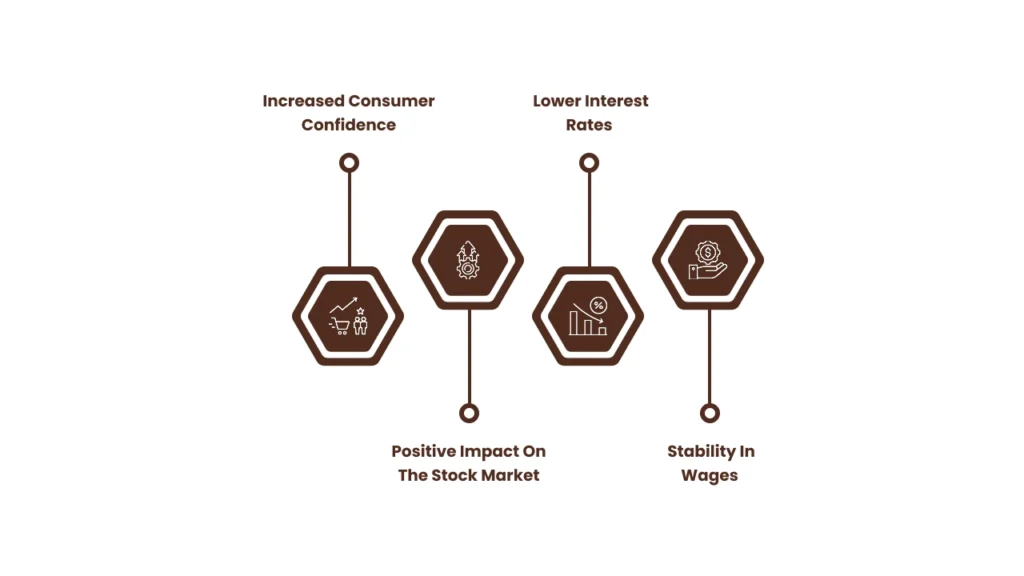
The recent market movements reflect a convergence of factors:
- Technological Overinvestment Anxiety: Companies are pouring billions into AI and other advanced technologies, but investor skepticism remains about when these investments will translate into profitability.
- Labor Market Softening: Weak U.S. job openings and increased layoffs signal a potential slowdown in economic growth, affecting corporate earnings and consumer confidence.
- Global Monetary Dynamics: Hawkish signals from the U.S. Federal Reserve have strengthened the dollar, putting pressure on commodities priced in USD and influencing capital flows into emerging markets.
- Investor Risk Aversion: Heightened volatility in equities, commodities, and cryptocurrencies has led to risk-off behavior, with market participants seeking safe-haven assets or reducing exposure to speculative sectors.
Sector-Wise Insights
Technology Stocks: The most affected sector, driven by AI-related spending and uncertain returns. Investors remain cautious, favoring companies with clear paths to profitability.
Precious Metals: A rapid decline in silver and gold prices reflects both currency strength (USD) and a shift away from traditional hedges amid easing geopolitical tensions.
Cryptocurrency: Highly sensitive to macroeconomic factors and market sentiment, Bitcoin and other digital assets experienced sharp corrections.
Mining & Commodities: Uncertainty in mergers and global supply-demand dynamics influenced stocks like Rio Tinto, emphasizing the volatility in resource-heavy sectors.
Regional Variation: China’s markets showed resilience due to domestic policy support, while tech-heavy indices like Hang Seng and Kospi reflected broader investor anxiety over global technology investments.
What This Means for Investors
The current environment underscores the importance of:
- Diversification: Spreading investments across sectors and asset classes to mitigate risk.
- Cautious Technology Exposure: While AI and tech remain growth areas, selective investment based on fundamentals is advisable.
- Monitoring Economic Indicators: Pay attention to employment data, corporate earnings, and central bank policies.
- Risk Management in Commodities and Crypto: Volatility remains high, so prudent allocation and hedging strategies are essential.
Analysts caution that markets may continue to see sharp swings as AI investments, labor market trends, and monetary policy decisions play out over the coming months. While short-term volatility is inevitable, long-term opportunities exist for investors who stay informed and adopt a disciplined approach.
This report covers Asian market declines, tech sector pressures, and regional index movements. Reuters: Tech‑led selloff drags Asian stocks; Indonesia tumbles on Moody’s outlook cut
https://skinnyzine.com/skill-loan-scheme/
that you can naturally add inside your content.