




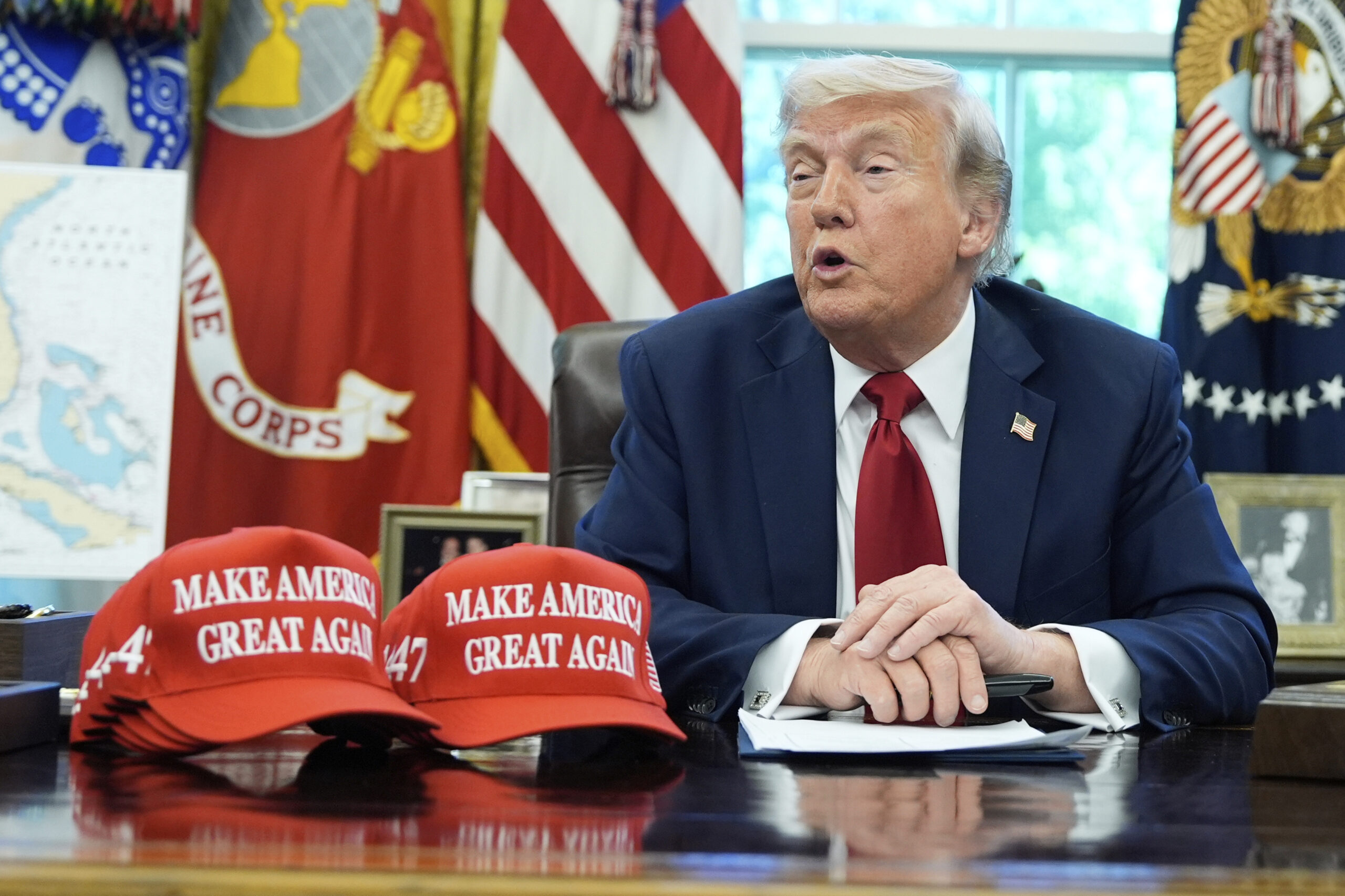
In a recent statement that has sparked widespread discussion across academic and political circles, former U.S. President Donald Trump defended the entry of foreign students into the United States, describing it as a “good practice.” His remarks come amid debates about stricter immigration controls, proposed limits on international student enrolments, and growing economic concerns among U.S. universities dependent on tuition from global learners.
During his conversation with Fox News, Trump acknowledged the crucial financial and intellectual role international students play in sustaining American colleges and universities. He said that cutting many international students would badly hurt America’s universities. and college system.”
This bold assertion reveals Trump’s pragmatic approach toward foreign students — not purely from a humanitarian standpoint, but as a recognition of their economic and institutional importance.
1. Background: The Importance Of Foreign Students In The U.S.
Economic Backbone Of Universities
Foreign students have long been an integral part of America’s higher education system. They not only enhance cultural diversity but also generate billions of dollars in revenue for universities. International students often pay double or triple the tuition fees compared to local students, helping to balance institutional budgets.
According to education analysts, the U.S. economy benefits immensely from their presence — from housing and transportation to technology and innovation sectors. Trump emphasized this point, referring to foreign student enrolment as a “business,” implying that American universities thrive partly because of international participation.
Global Reputation And Academic Diversity
The presence of international students elevates the global standing of U.S. universities. Many of the world’s leading researchers and entrepreneurs were once international students in America. The cross-cultural exchange of ideas strengthens innovation, making U.S. campuses hubs for global talent.
In this context, Trump’s remarks highlight that maintaining open doors to talented global minds is not merely an educational decision but a strategic economic and diplomatic policy.
2. Trump’s Statement: “Good Practice” Explained
The Core Of Trump’s Message
Speaking to media outlets, Trump called the policy of admitting foreign students “a good practice.” He warned that any drastic reduction in foreign enrolments would “destroy the university and college system.” His reasoning was direct: without foreign students, many institutions — particularly private and smaller colleges — would struggle financially.
Business And Education: A Dual Perspective
Trump clarified that his stance is not solely about generosity but about economic sustainability. He described the influx of foreign students as both a benefit to educational institutions and a boost to the broader U.S. economy.
He said, “It’s not that I want them (foreign students) for any reason other than that it’s a business. Our institutions depend on them.”
This statement underlines his view that while national interests and security remain priorities, education operates within an economic framework that benefits from international participation.
3. Proposed Restrictions And The Policy Paradox
The 15% Cap Controversy
Despite Trump’s positive remarks, his administration and advisers have also proposed restrictions on foreign student intake. A suggested policy — sometimes referred to as the “15% Cap Rule” — aims to limit the share of international students in any U.S. university to 15% of total enrolment.
Under this plan, no more than 5% of students from any single foreign country could be enrolled in a particular institution. While the proposal was reportedly designed to balance diversity and domestic opportunities, it has drawn criticism from university administrators and global education advocates.
Visa And Duration Restrictions
Additionally, there have been discussions about tightening student visa regulations, limiting stay duration to four years instead of allowing students to remain as long as they make academic progress. This could significantly affect long-term degree programmes such as Ph.D.s and research fellowships.
Critics argue that such measures could make the U.S. less attractive to international students, particularly compared to nations like Canada, the U.K., and Australia, which have more welcoming post-study work options.
The Policy Paradox
Trump’s recent supportive comments therefore highlight a policy paradox — a public acknowledgment of foreign students’ importance juxtaposed with restrictive immigration proposals. This duality reflects the tension between economic necessity and political populism in U.S. education policy.
4. Why Trump Supports Foreign Students Economically
Financial Viability Of Institutions
U.S. universities have faced severe budget shortfalls, especially after the pandemic. State funding cuts have forced many institutions to rely more heavily on tuition revenues from foreign students. According to multiple studies, removing or reducing international enrolments would lead to tuition spikes for domestic students and even closures of smaller institutions.
Trump warned that if foreign students were cut drastically, “some universities, including historically Black colleges, could go out of business.”
Contribution To The U.S. Economy
The economic contribution of international students is staggering. According to Open Doors data, they add more than $40 billion annually to the U.S. economy. Their spending on housing, food, books, and travel stimulates local economies nationwide.
Strengthening Innovation And Research
Foreign students make up a substantial portion of STEM (Science, Technology, Engineering, and Mathematics) graduate programs. Their participation helps sustain U.S. innovation, particularly in research and technology sectors. Reducing their presence could weaken the nation’s global competitiveness in science and industry.
5. Reactions To Trump’s Remarks
From Universities And Academia
Educational leaders welcomed Trump’s positive comments, viewing them as an acknowledgment of the value of international students. Many university officials have expressed concern about declining foreign enrolments due to policy uncertainty, arguing that maintaining a steady flow of global talent is critical to academic excellence.
From Policymakers
While some conservative policymakers argue for stricter immigration controls, moderates within the Republican Party see Trump’s remarks as a strategic realignment — balancing border security concerns with the pragmatic benefits of international education.
From International Communities
Foreign students, particularly from India and China — the top two source countries — have welcomed Trump’s defense as a sign of reassurance. Many had feared a tightening of visa norms following previous administrative actions. Trump’s statements may restore some confidence in pursuing U.S. education opportunities.
6. Implications For Indian And Global Students
India’s Position As A Key Contributor
India is currently the second-largest source of international students in the U.S., after China. With over 270,000 Indian students enrolled across various programs, any changes in U.S. policy have significant ripple effects on Indian families and educational consultancies.
If the 15% cap or visa restrictions were implemented, competition among Indian students for U.S. university seats would intensify.
Opportunities And Uncertainties
While Trump’s support highlights that foreign students remain welcome, the uncertainty surrounding future policy still affects student decisions. Many now consider alternative destinations such as Canada, Germany, and the U.K. — countries offering clearer post-graduation pathways.
OPT And Post-Study Employment
Another area of concern is the Optional Practical Training (OPT) programme, which allows foreign graduates to work temporarily in the U.S. after their studies. Any tightening of this policy could limit job opportunities for international students and discourage future enrolments.
7. Broader Economic And Diplomatic Effects
Education As A Form Of Soft Power
U.S. universities have long been instruments of soft power, shaping global leaders and fostering goodwill. Every year, thousands of international graduates return to their home countries with positive perceptions of America — strengthening cultural and diplomatic ties.
By supporting international education, the U.S. continues to project itself as a hub of opportunity, innovation, and freedom.
Boosting The U.S. Workforce
A large portion of America’s skilled workforce — especially in technology and research — originates from international student talent. Many global companies, including Google and Microsoft, were founded or co-founded by former international students. Reducing student visas could indirectly harm the country’s innovation ecosystem.
Trade And Economic Relations
Educational collaboration often enhances trade relations. Many nations view the U.S. education system as a diplomatic bridge, making Trump’s “good practice” statement a potential reassurance to global partners.
8. Public Opinion And Political Balance
Mixed Political Reactions
While a majority of Americans appreciate the cultural and academic benefits of foreign students, some conservative factions worry about security risks and domestic job competition. Polls indicate that Democrats overwhelmingly support international education, while Republican views remain divided.
Trump’s Strategic Positioning
By calling it “good practice,” Trump appears to be balancing two voter bases — those favouring immigration restrictions and those supporting educational globalisation. His pragmatic tone suggests he aims to preserve the economic advantages of foreign enrolments while maintaining a firm stance on border control.