






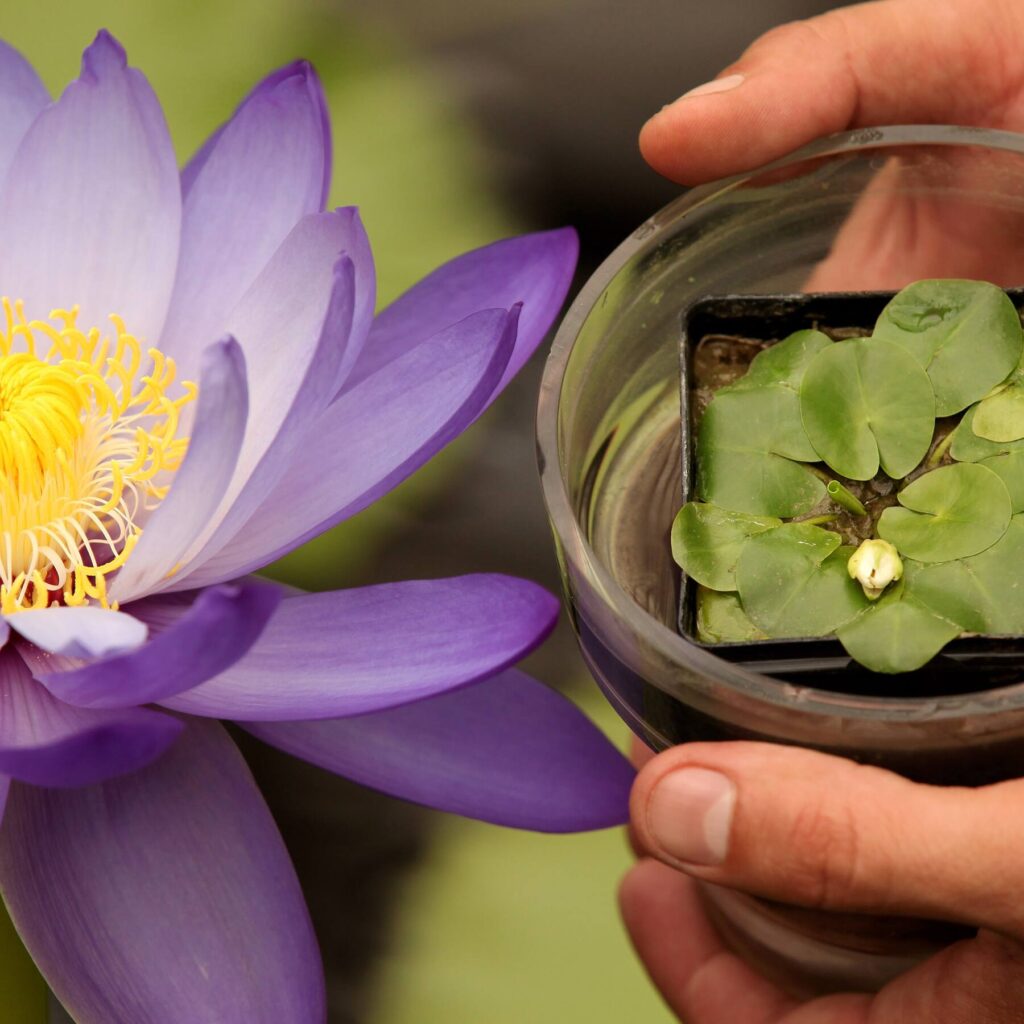
India’s sacred lotus (Nelumbo nucifera) is widely admired for its beauty, spiritual symbolism, and cultural importance. Found blooming gracefully in ponds and wetlands, the lotus has long represented purity, resilience, and enlightenment. However, beyond its religious value, India’s sacred lotus natural heating ability reveals a fascinating scientific secret—this remarkable flower can generate its own heat.
This rare phenomenon, known as thermogenesis, allows the lotus flower to maintain a warm and stable internal temperature even when the surrounding environment becomes cold. In the plant kingdom, such temperature regulation is extremely unusual, making India’s sacred lotus natural heating ability one of nature’s most extraordinary biological adaptations.
1. The Sacred Lotus: India’s National Flower

The sacred lotus holds a unique position in Indian culture, ecology, and science.
Officially recognized as India’s national flower, it symbolizes hope, purity, and renewal. The lotus grows in muddy water but rises above the surface clean and radiant, which is why it is often seen as a metaphor for spiritual growth and inner strength.
Beyond symbolism, the lotus is a hardy aquatic plant capable of surviving fluctuating temperatures, low oxygen levels, and seasonal changes. These challenging conditions have played a key role in the evolution of India’s sacred lotus natural heating ability, helping the plant thrive in wetlands across the country.
2. What Is Thermogenesis in Plants?
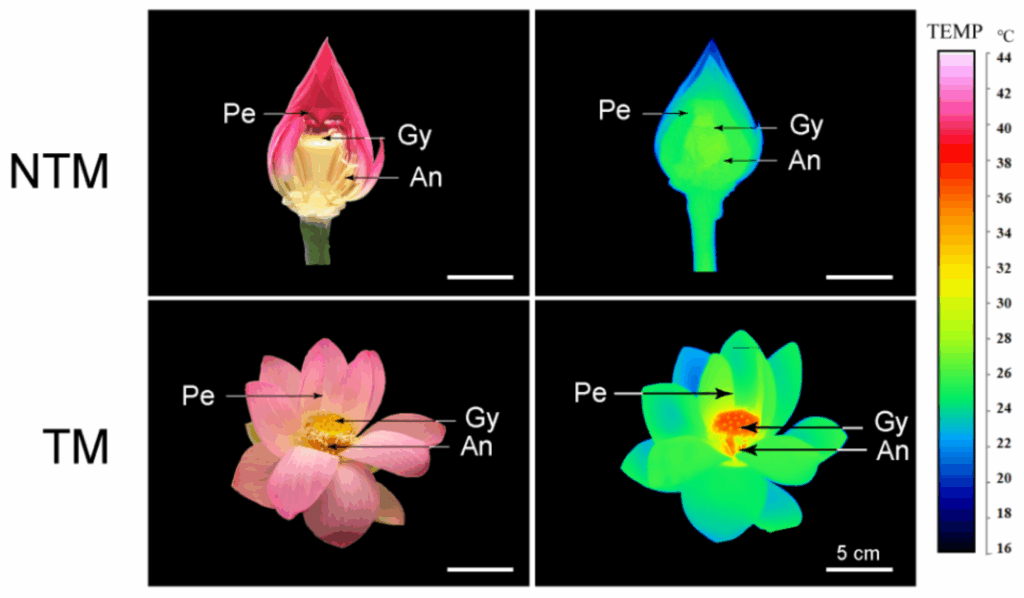
Thermogenesis is the biological process through which an organism produces heat by converting stored energy. While common in warm-blooded animals, thermogenesis is extremely rare in plants.
In the sacred lotus, thermogenesis occurs primarily in the flower’s reproductive structures. Through controlled metabolic activity, stored sugars and starches are burned to release heat. This process is the foundation of India’s sacred lotus natural heating ability, allowing the flower to regulate its internal temperature independently of its surroundings.
3. How India’s Sacred Lotus Generates Heat

The heating mechanism behind India’s sacred lotus natural heating ability is both efficient and precise.
Specialized tissues within the flower—particularly in the stamens and petals—contain mitochondria that burn carbohydrates at a higher rate than normal. Instead of using all this energy for growth, the lotus converts a significant portion into heat.
As a result, the lotus flower can maintain internal temperatures between 30°C and 35°C, even when the surrounding air is much cooler.
4. Temperature Regulation: A Botanical Marvel

One of the most impressive aspects of India’s sacred lotus natural heating ability is its precision.
Scientific studies show that lotus flowers can actively adjust their heat production. When external temperatures fall, metabolic activity increases to generate more warmth. When conditions become warmer, heat production slows down.
This self-regulating system works much like a natural thermostat, ensuring ideal conditions for the flower’s reproductive processes.
5. Why Does the Lotus Need to Stay Warm?
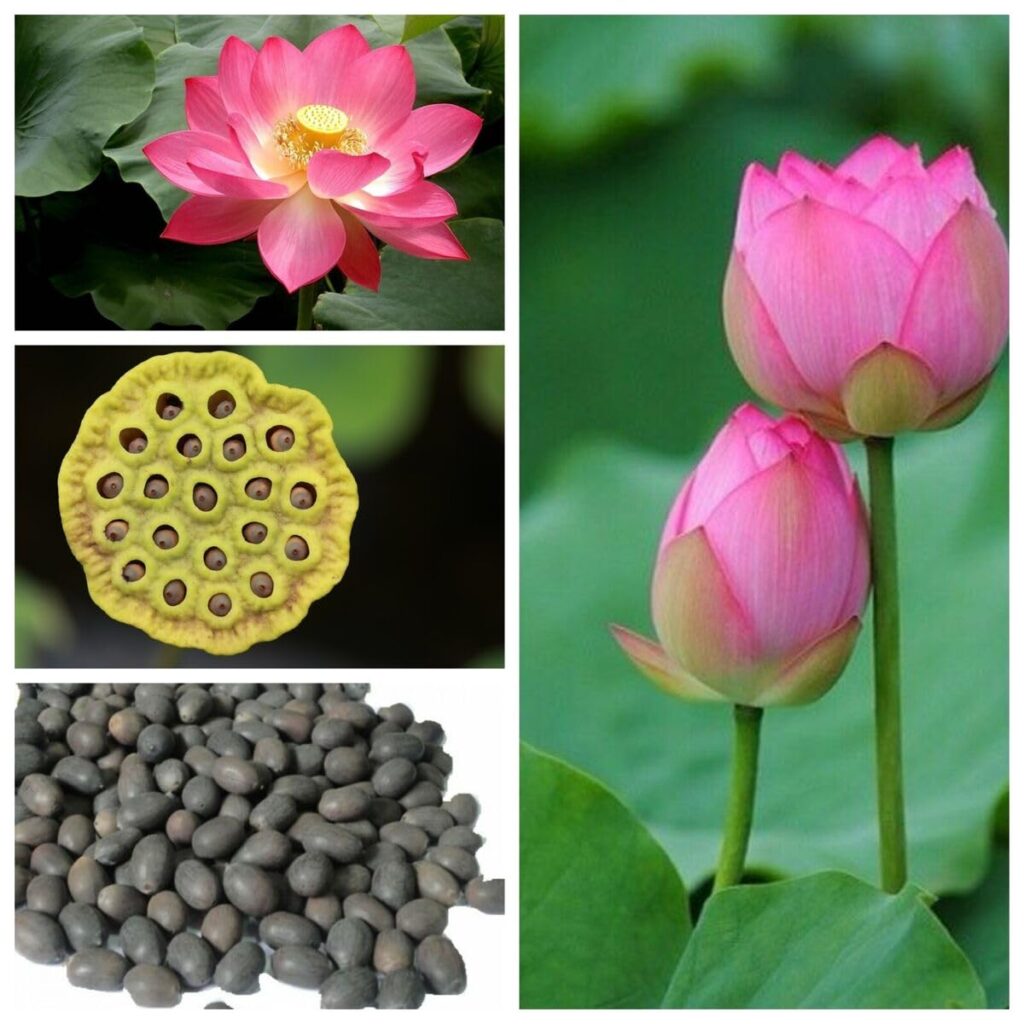
The natural heating ability of the sacred lotus serves several essential purposes.
Protection from Cold Stress
Lotus flowers often bloom early in the morning or during cooler seasons. Heat protects delicate reproductive tissues from cold damage, ensuring survival.
Improved Reproductive Efficiency
Warm internal temperatures enhance pollen viability and fertilization success, increasing seed production.
Pollinator Attraction
Many insects prefer warm environments. Thanks to India’s sacred lotus natural heating ability, pollinators are drawn to the flower and tend to stay longer.
6. Pollinators and the Heated Lotus Flower

Pollination is vital for flowering plants, and the lotus has evolved a smart strategy.
Beetles, bees, and other insects are attracted to the warmth, scent, and structure of the lotus flower. During cooler periods, insects often remain inside the flower longer, benefiting from the heat generated by India’s sacred lotus natural heating ability.
This extended interaction improves pollen transfer and boosts reproductive success.
7. The Sacred Lotus in Wetland Ecosystems
The lotus plays a critical role in maintaining healthy wetland ecosystems.
Its broad leaves provide shade, helping regulate water temperature and limit excessive algae growth. Roots stabilize muddy pond beds, while flowers support pollinator populations.
By maintaining consistent flowering through India’s sacred lotus natural heating ability, the plant helps sustain ecological balance even under challenging environmental conditions.
In Indian mythology, the lotus symbolizes divine energy and cosmic creation. Deities such as Lord Vishnu, Goddess Lakshmi, and Goddess Saraswati are often depicted seated on lotus flowers.
Interestingly, India’s sacred lotus natural heating ability adds a scientific dimension to this symbolism—representing inner energy, resilience, and life force.
This blend of ancient belief and modern science highlights why the lotus continues to inspire reverence and research alike.
8. Scientific Studies on Lotus Thermogenesis

Researchers have extensively studied India’s sacred lotus natural heating ability to understand its thermogenic behavior.
Key findings include:
- Heat production peaks during flowering
- Sugar metabolism increases sharply
- Oxygen consumption rises during heat generation
- Internal temperature remains stable despite environmental changes
These discoveries have positioned the lotus as a model species for studying plant metabolism and thermal regulation.
9. How Rare Is This Ability in the Plant Kingdom?
Thermogenesis occurs in only a few plant species worldwide. While some arum family plants produce short bursts of heat, India’s sacred lotus natural heating ability stands out for its sustained and controlled temperature regulation.
This makes the sacred lotus one of the most advanced examples of plant thermogenesis known to science.
10. Lessons from the Lotus for Modern Technology
The lotus’s self-heating mechanism has inspired innovation across multiple fields.
Biomimetic Heating Systems
Scientists study lotus thermogenesis to design energy-efficient heating systems that adjust automatically to temperature changes.
Sustainable Architecture
The lotus inspires buildings that regulate internal temperature naturally, reducing dependence on artificial heating.
Agricultural Innovation
Insights from India’s sacred lotus natural heating ability may help develop crops that are more resistant to cold stress.
Scientific research shows that thermogenesis in plants is extremely rare and occurs in only a few species worldwide, including the sacred lotus. This natural heating process allows the flower to regulate its internal temperature and improve pollination efficiency, as explained by the Royal Botanic Gardens, Kew
For readers interested in technological risks and protection strategies, understanding how devices interact with their environment — whether it’s biological systems like the lotus’s heat regulation or modern gadgets — can be valuable. For example, learn how to protect your privacy from threats like device hacking here: Earbuds Can Be Hacked — How to Protect Your Privacy