





Skin barrier damage from overdoing skincare has become an increasingly common concern in the age of social media–driven beauty routines. Skincare has become a daily ritual for millions of people, fueled by influencer trends and the promise of flawless skin. Multi-step routines filled with cleansers, toners, serums, exfoliants, masks, and treatments are often portrayed as essential for healthy skin. However, beneath the glossy marketing and viral skincare advice lies a growing problem—the overuse of skincare products, which can quietly weaken the skin’s natural protective barrier.
While skincare is meant to protect and nourish the skin, excessive use can do more harm than good. At the heart of this issue is skin barrier damage from overdoing skincare, a condition increasingly reported by dermatologists worldwide. The skin barrier is the body’s first line of defense, and when it becomes compromised, the skin grows vulnerable to irritation, inflammation, breakouts, and premature aging.
Understanding the Skin Barrier: Your Skin’s Natural Shield
What Is the Skin Barrier?
The skin barrier, scientifically known as the stratum corneum, is the outermost layer of the skin and plays a crucial role in preventing skin barrier damage from overdoing skincare. It consists of flattened skin cells held together by natural lipids such as ceramides, cholesterol, and fatty acids. This structure is often compared to a brick wall, where skin cells act as bricks and lipids serve as mortar, creating a strong yet flexible protective shield.
This barrier is essential for maintaining hydration and protecting the skin from external threats. When functioning properly, it keeps moisture locked in while preventing harmful substances from penetrating the skin.
The skin barrier is important because it keeps your skin protected, hydrated, and healthy.
The skin barrier performs several critical functions that help prevent skin barrier damage from overdoing skincare and maintain overall skin health:
- Prevents water loss from the skin
- Shields against bacteria, allergens, and pollutants
- Maintains a healthy skin pH
- Supports immune and healing responses
- Keeps skin smooth, resilient, and balanced
When the barrier is damaged, the skin struggles to regulate itself, leading to visible and uncomfortable skin issues.
What Does Overdoing Skincare Really Mean?
The Rise of Skincare Overconsumption
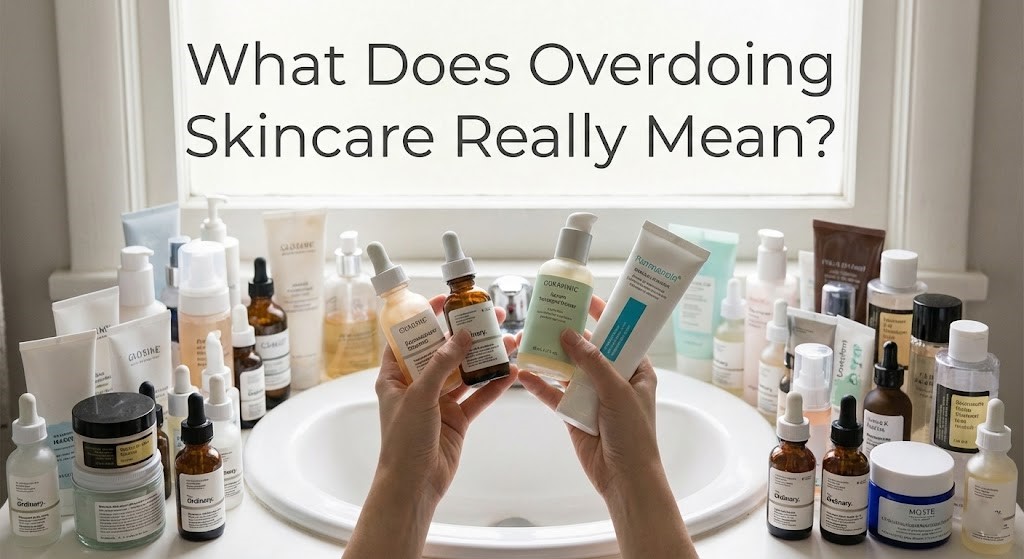
Overdoing skincare does not necessarily mean using poor-quality products. Instead, it often involves using too many products, too frequently, or without understanding ingredient interactions. The rise of 10-step routines, daily exfoliation, and multiple active ingredients has normalized excessive skincare practices.
Many people believe that applying more products will speed up results, but in reality, this approach often leads to skin barrier damage from overdoing skincare, overwhelming the skin and disrupting its natural balance.
Common Skincare Habits That Go Too Far
Here are some common examples of using too much skincare:
- Exfoliating daily with acids or scrubs
- Layering multiple active ingredients at once
- Over-cleansing or washing the face repeatedly
- Switching products too often
- Applying treatments too frequently
- Using strong actives without allowing recovery time
Each of these habits may seem harmless alone, but together they can significantly damage the skin barrier.
How Overdoing Skincare Damages Your Skin Barrier
1. Excessive Exfoliation Weakens the Protective Layer
Exfoliation removes dead skin cells, but excessive exfoliation is a major cause of skin barrier damage from overdoing skincare because it strips away the natural oils and lipids that hold the barrier together. Chemical exfoliants such as AHAs and BHAs, when used too often, thin the stratum corneum and weaken the skin’s protective structure.
Physical scrubs can also create micro-tears in the skin, leading to inflammation. Without adequate recovery time, the skin barrier becomes fragile and prone to irritation.
2. Overloading Active Ingredients Causes Inflammation
Active ingredients such as retinoids, vitamin C, niacinamide, salicylic acid, and benzoyl peroxide are effective but powerful. When multiple actives are layered in a single routine, it often leads to skin barrier damage from overdoing skincare, causing the skin to become overstimulated and more prone to irritation.
This overstimulation triggers inflammation, weakens lipid production, and disrupts the skin’s ability to repair itself. Over time, this leads to chronic sensitivity and barrier dysfunction.
3. Over-Cleansing Strips Natural Oils
Cleansing is necessary to remove dirt and excess oil, but washing the face too frequently can strip the skin of its protective oils. Harsh cleansers and foaming formulas worsen this effect.
Over-cleansed skin feels tight, dry, and uncomfortable, which are early signs of barrier damage. The skin may respond by producing excess oil, leading to breakouts and imbalance.
4. Product Overuse Disrupts Skin pH
Healthy skin maintains a slightly acidic pH, which supports beneficial bacteria and proper barrier function. However, using too many products—especially alkaline cleansers or harsh treatments—can contribute to skin barrier damage from overdoing skincare by disrupting this delicate balance.
When skin pH is altered, enzyme activity slows down, lipid synthesis is impaired, and the barrier weakens. This makes the skin more susceptible to irritation and environmental stressors.
5. Constant Product Switching Prevents Healing
Trying new skincare products too frequently prevents the skin from adapting and healing properly. Each new formula introduces different ingredients, preservatives, and concentrations, which can increase irritation and contribute to skin barrier damage from overdoing skincare.
Frequent switching increases the risk of allergic reactions and chronic inflammation, preventing the skin barrier from recovering fully.
6. Over-Treating Acne Worsens Barrier Damage
Acne-prone skin is especially vulnerable to barrier damage. Many acne treatments are drying and aggressive by nature. Overusing salicylic acid, benzoyl peroxide, or spot treatments can dehydrate the skin and worsen inflammation.
When the barrier is compromised, acne bacteria penetrate more easily, triggering more breakouts and creating a cycle of over-treatment and irritation.
Signs Your Skin Barrier Is Damaged
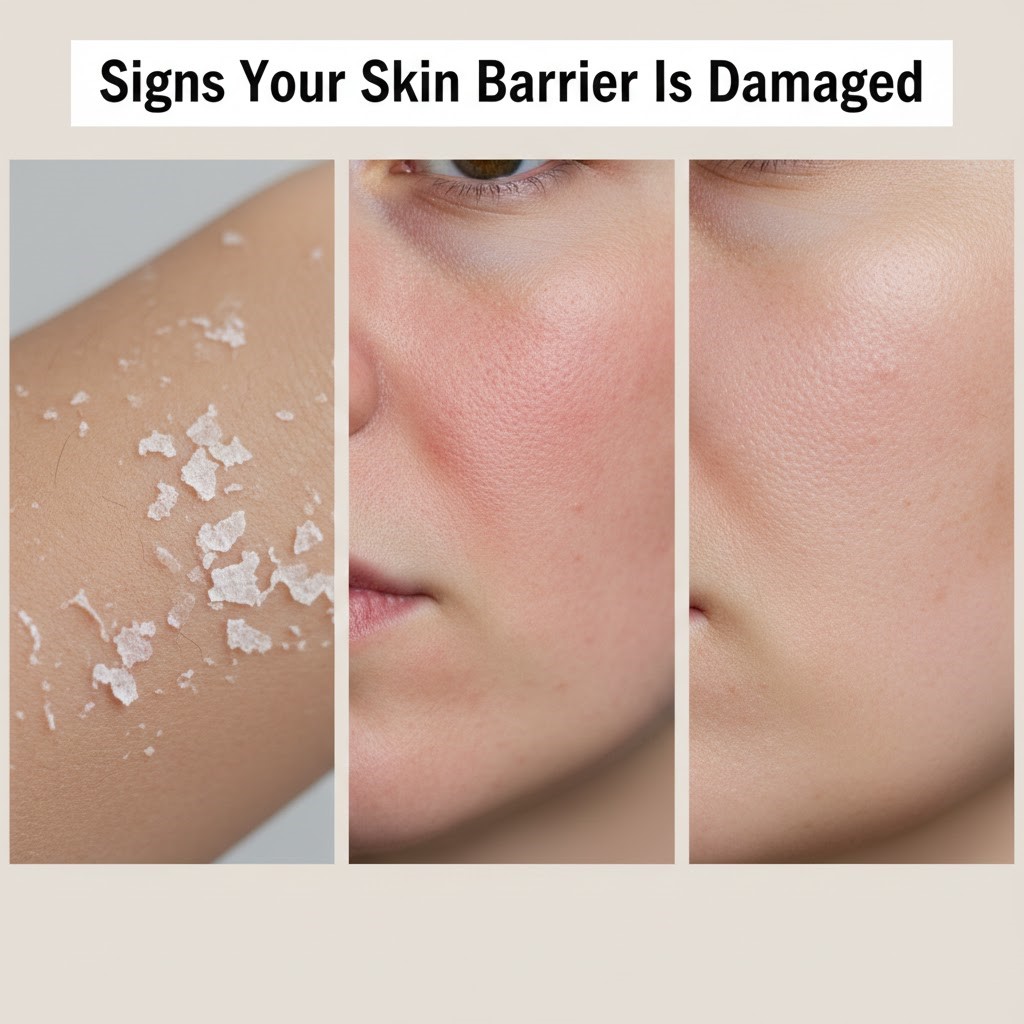
Early Warning Signs You Should Not Ignore
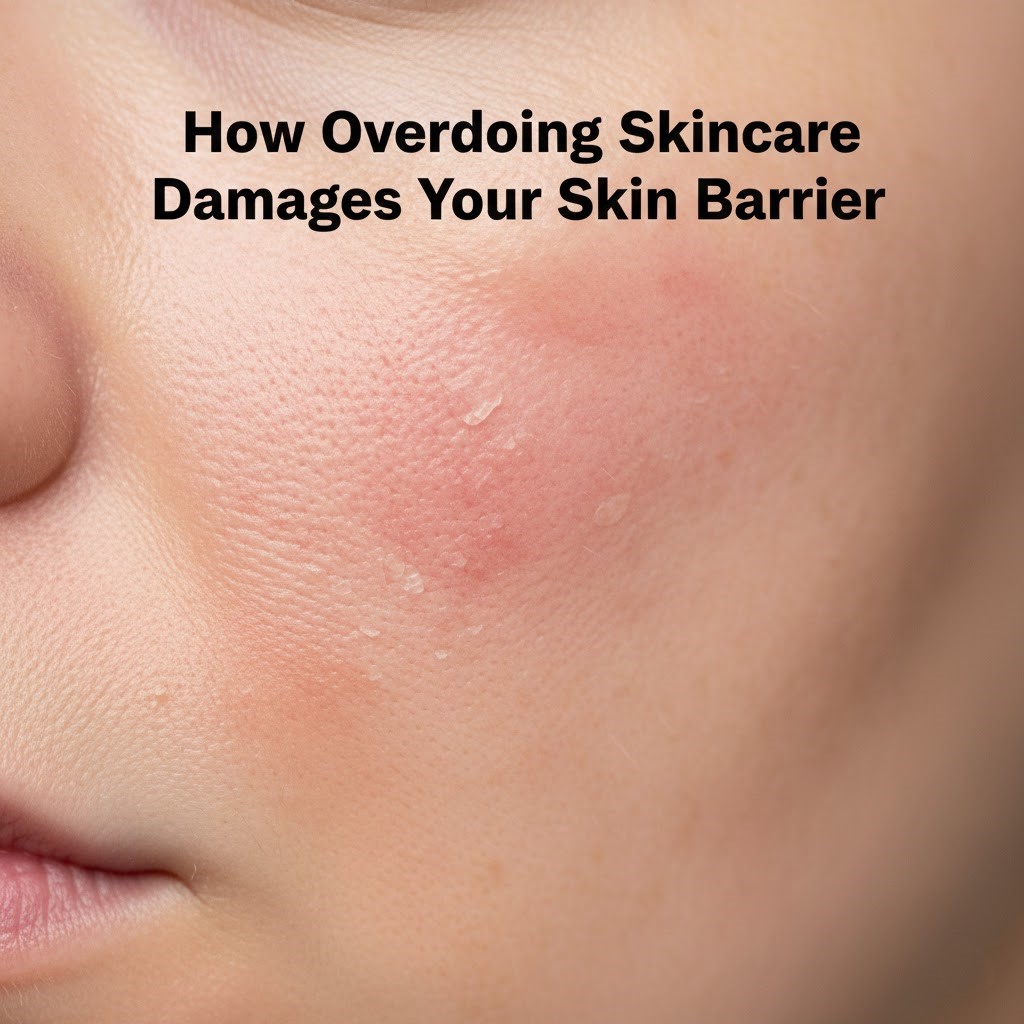
A damaged skin barrier often shows clear symptoms, including:
- Redness and persistent flushing
- Burning or stinging when applying products
- Dryness and flaking despite moisturizing
- Increased sensitivity to products
- Breakouts combined with tight skin
- Rough or uneven texture
These signs indicate that the skin can no longer protect itself effectively.
Long-Term Effects of Untreated Barrier Damage
If skin barrier damage is left untreated, it can lead to:
- Premature aging and fine lines
- Hyperpigmentation and uneven tone
- Worsening acne or rosacea
- Chronic dryness and eczema flare-ups
- Increased vulnerability to infections
Protecting the skin barrier is essential for both short-term comfort and long-term skin health.
Why More Skincare Does Not Equal Better Skin
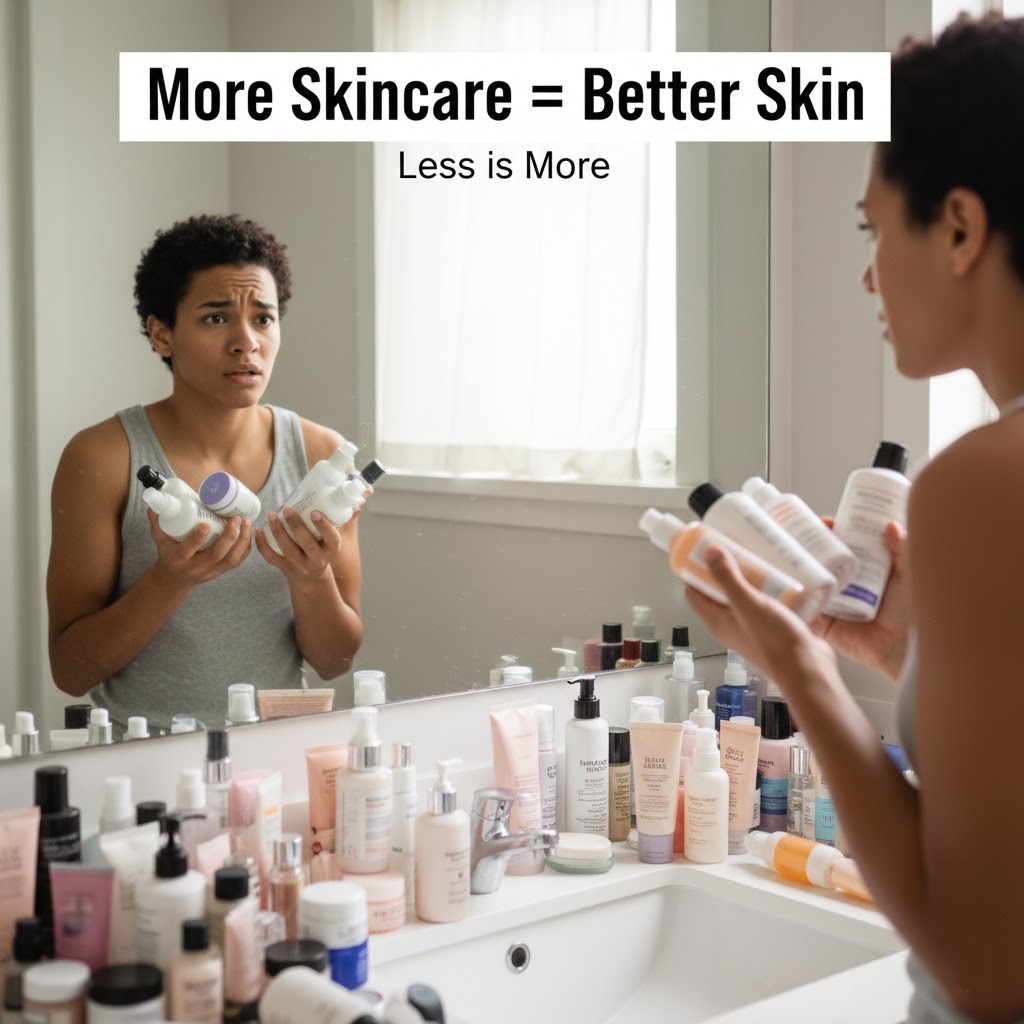
The Myth of Skincare Maximalism
Skincare brands often make people believe that adding more steps will give better results. However, the skin thrives on stability rather than constant stimulation.
Overusing products overwhelms the skin’s natural repair mechanisms, leading to diminishing returns and increased irritation.
Skin Needs Support, Not Aggression
Healthy skin has the ability to regulate itself when given proper support. Instead of forcing change through excessive treatments, skincare should enhance the skin’s natural processes.
A minimal, consistent routine allows the skin barrier to function optimally and heal itself.
How to Repair a Damaged Skin Barrier
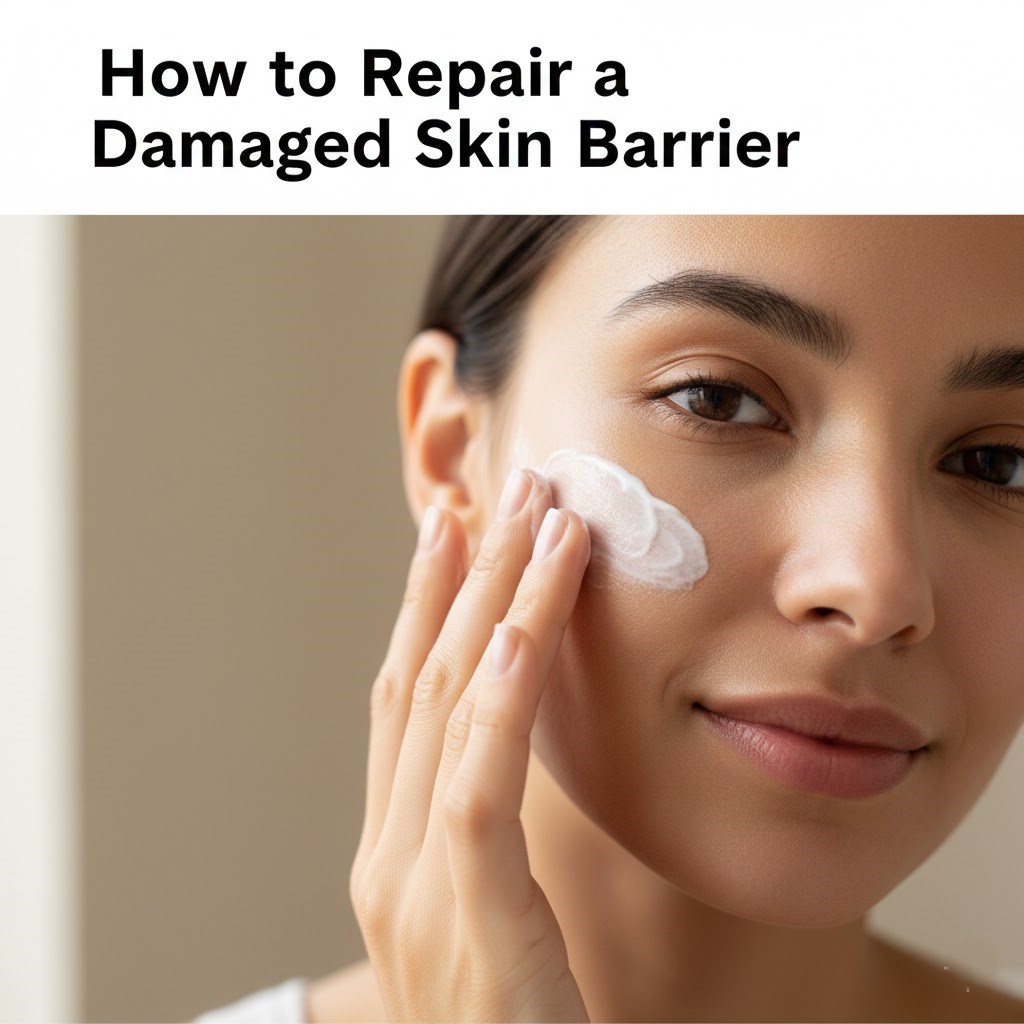
1. Simplify Your Skincare Routine
The first step in barrier repair is reducing product overload. Focus on a simple routine that includes:
- A gentle, non-stripping cleanser
- A barrier-repair moisturizer
- A broad-spectrum sunscreen
Avoid strong actives until the skin has recovered.
2. Use Ingredients That Support Barrier Repair
Barrier-repair ingredients help rebuild lost lipids and strengthen the skin. These include:
- Ceramides
- Cholesterol
- Fatty acids
- Panthenol
- Squalane
- Hyaluronic acid
These ingredients restore hydration and improve skin resilience.
3. Reduce or Pause Exfoliation
Exfoliation should be limited to once or twice a week for most skin types. During active irritation, it should be avoided altogether.
Giving the skin time to heal allows the barrier to regenerate naturally.
4. Hydrate and Protect the Skin
Hydration is essential for barrier recovery. Use gentle hydrating products and seal moisture with occlusive ingredients. Sun protection is equally important, as UV damage further weakens the barrier.
Preventing Skin Barrier Damage in the Future
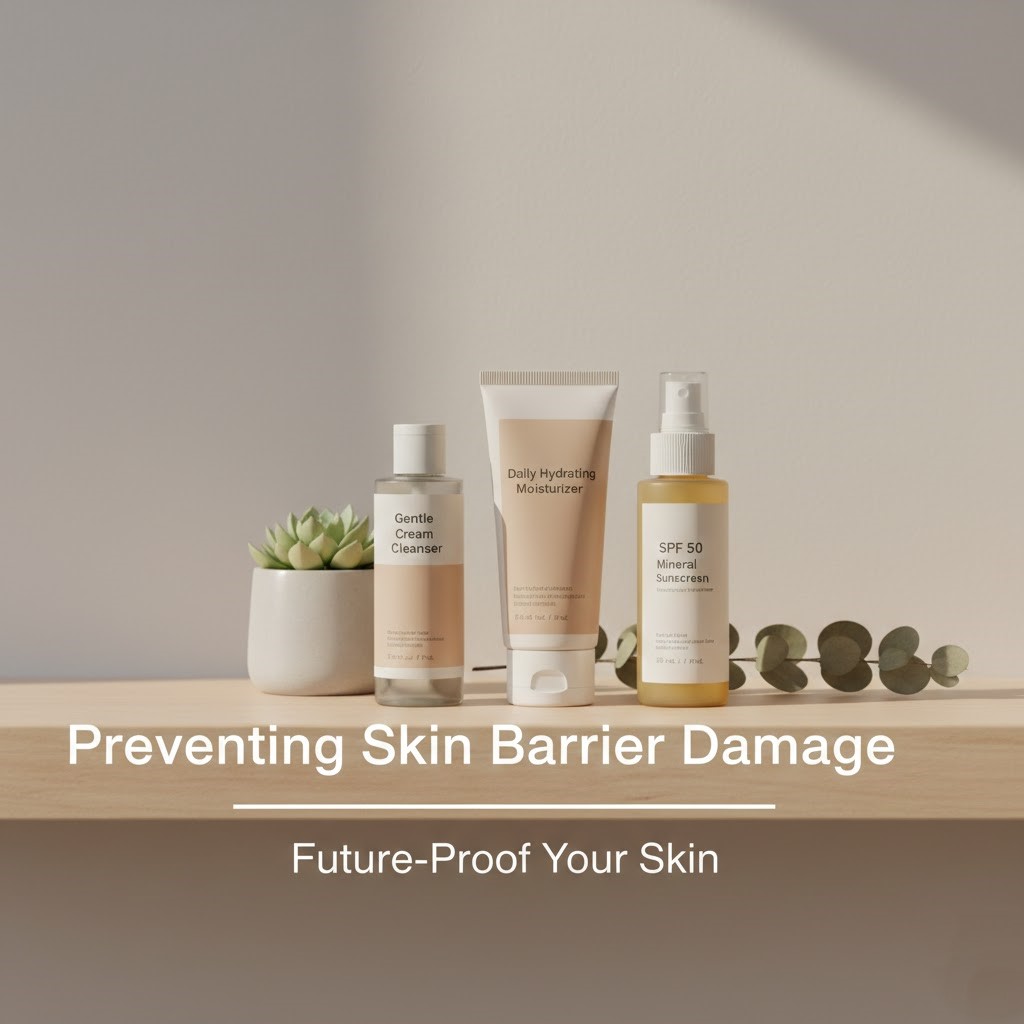
Build a Skin-Centered Routine
Instead of following trends, listen to your skin’s needs. Adjust your routine based on climate, stress levels, and skin condition.
A flexible, skin-centered approach helps maintain long-term barrier health.
Introduce New Products Slowly
Always introduce one new product at a time and allow at least one to two weeks before adding another. This helps identify potential irritants and protects the barrier.
Follow the “Less but Consistent” Rule
Consistency is more important than complexity. A simple routine practiced regularly produces better results than frequent product changes.
Healthy skin is built through patience, not excess. American Academy of Dermatology – Skin Barrier and Skincare
Learn how nutrition supports overall health and immunity — Top 7 Foods to Boost Immunity and Stay Healthy