




India’s core industries in 2026 are approaching a decisive turning point as the country moves into a new phase of economic expansion. After navigating years of global disruptions, supply chain realignments, and policy adjustments, the backbone sectors of the Indian economy—steel, cement, coal, crude oil, natural gas, refinery products, electricity, and fertilizers—are now preparing for structurally stronger and more sustainable growth.
These core industries play a central role in shaping infrastructure development, industrial production, employment generation, and national energy security. As India continues to position itself among the world’s fastest-growing major economies, the performance of its core sector will directly influence GDP growth, investment momentum, and long-term global competitiveness.
In 2026, growth in India’s core industries will move beyond simple capacity expansion. Instead, it will be driven by deeper structural themes such as infrastructure-led demand, energy transition, green manufacturing, digital transformation, capital efficiency, and policy-led industrial acceleration. This article examines, point by point, the major themes redefining India’s core industries in 2026 and explains how technology adoption, policy support, and evolving demand patterns will shape the next chapter of industrial growth.
1. Infrastructure-Led Growth Driving Core Industries in 2026

Infrastructure development will remain the strongest growth engine for India’s core industries in 2026. Continued government spending on highways, railways, ports, airports, urban housing, and logistics infrastructure will generate sustained demand for steel, cement, electricity, and refinery products.
Large national infrastructure programs focused on expressways, freight corridors, metro rail projects, and multimodal logistics parks are expected to reach peak execution in 2026. This phase will significantly boost steel demand, particularly for long products and construction-grade steel, while cement manufacturers will benefit from rising consumption across urban and rural construction activity.
Importantly, infrastructure-led growth will become more geographically balanced. Demand will increasingly shift toward Tier-II and Tier-III cities, encouraging decentralized industrial development and strengthening regional economic growth across India.
2. Energy Transition Reshaping Coal, Power, and Refinery Sectors
The energy transition will be one of the most influential forces shaping India’s core industries in 2026. While coal will continue to support India’s energy security, its role will evolve as cleaner and more efficient energy sources gain scale.
Coal production will prioritize operational efficiency, improved transportation logistics, and lower environmental impact rather than aggressive volume expansion. Thermal power plants will invest in emission-control technologies and efficiency upgrades to comply with tightening environmental regulations.
At the same time, electricity demand in India will rise sharply due to electric mobility adoption, industrial automation, data center expansion, and increasing household energy consumption. To meet this demand, India’s power sector will rely on a balanced mix of thermal, renewable, and hybrid energy sources. Refinery and petroleum industries will adapt by focusing on cleaner fuels, higher refinery complexity, and deeper integration with petrochemicals to remain profitable during the energy transition.
3. Green Manufacturing and Decarbonization in Core Industries
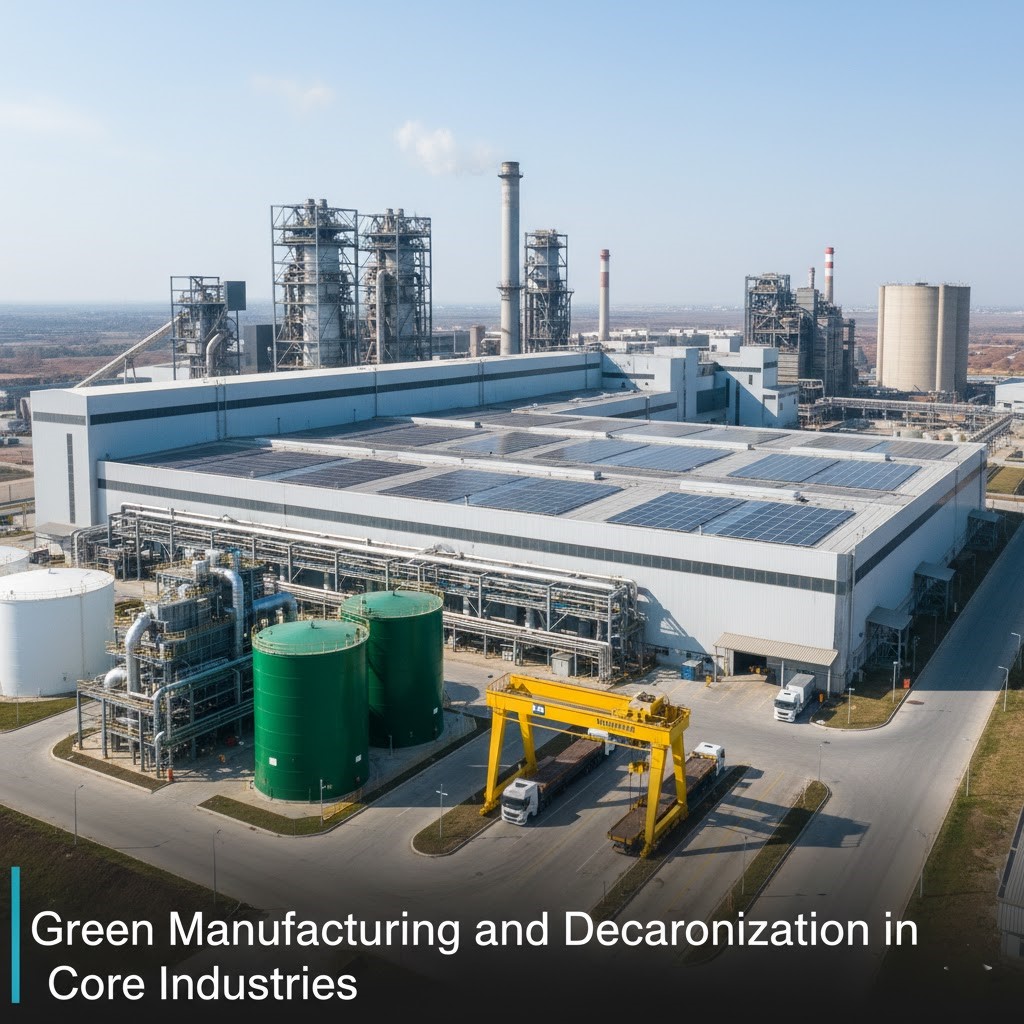
Decarbonization will emerge as a near-term operational priority for India’s core industries in 2026, rather than a long-term objective. Carbon-intensive sectors such as steel, cement, and fertilizers will face growing pressure to reduce emissions while sustaining output and profitability.
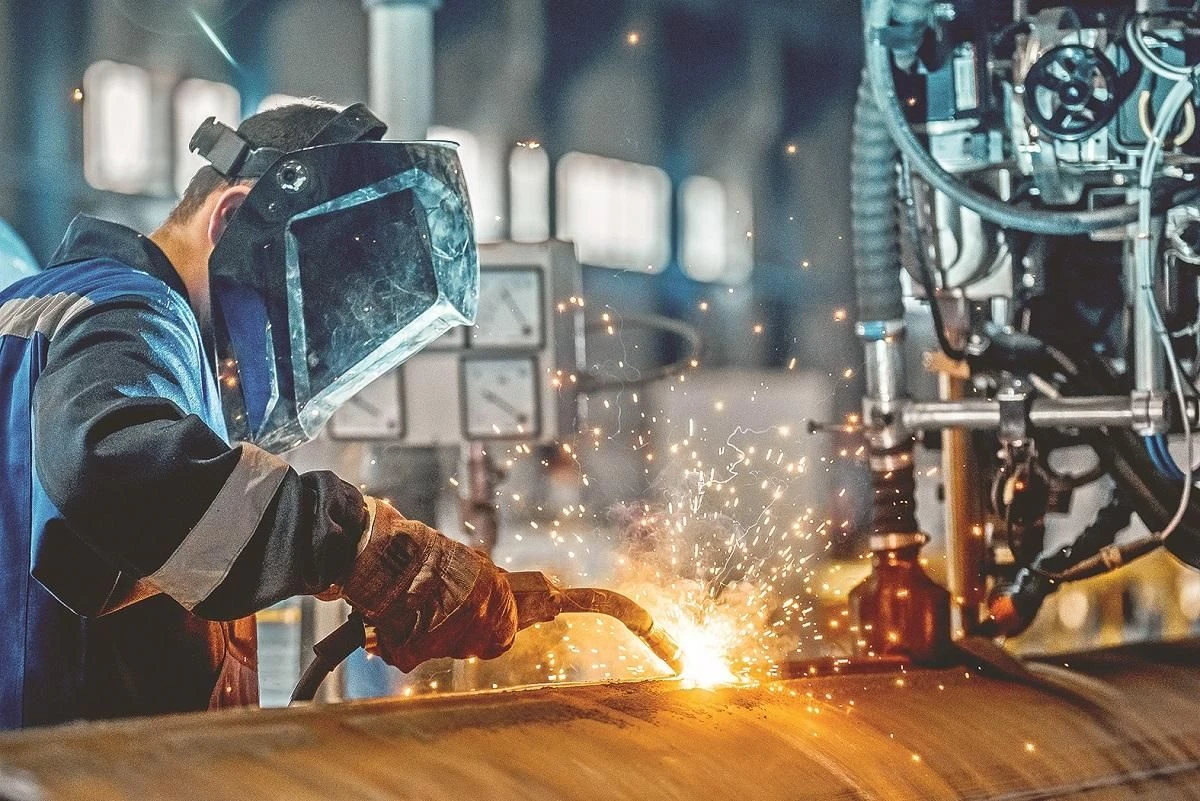
Steel manufacturers will accelerate investments in energy-efficient blast furnaces, electric arc furnaces, and early-stage green hydrogen projects. Cement companies will expand the production of blended cement, adopt alternative fuels, and increase waste heat recovery to lower carbon intensity.
For fertilizer producers, improving energy efficiency and shifting toward cleaner feedstocks will be critical for cost control and long-term competitiveness. Across all core industries, ESG compliance, carbon reporting, and sustainability-linked financing will increasingly influence investor confidence and global partnerships.
4. Domestic Manufacturing and Supply Chain Resilience
Building resilient domestic supply chains will be a defining theme for India’s core industries in 2026. Recent global disruptions have reinforced the importance of reducing import dependence and strengthening indigenous manufacturing capabilities.
Steel and cement companies will focus on securing domestic raw material supplies, improving logistics integration, and reducing exposure to volatile global markets. Refinery and petrochemical sectors will prioritize higher domestic value addition and indigenous processing capacity.
This emphasis on supply chain resilience will not only improve industrial stability but also generate employment and support economic development in mineral-rich and energy-producing regions of India.
5. Digital Transformation and Industry 4.0 Adoption
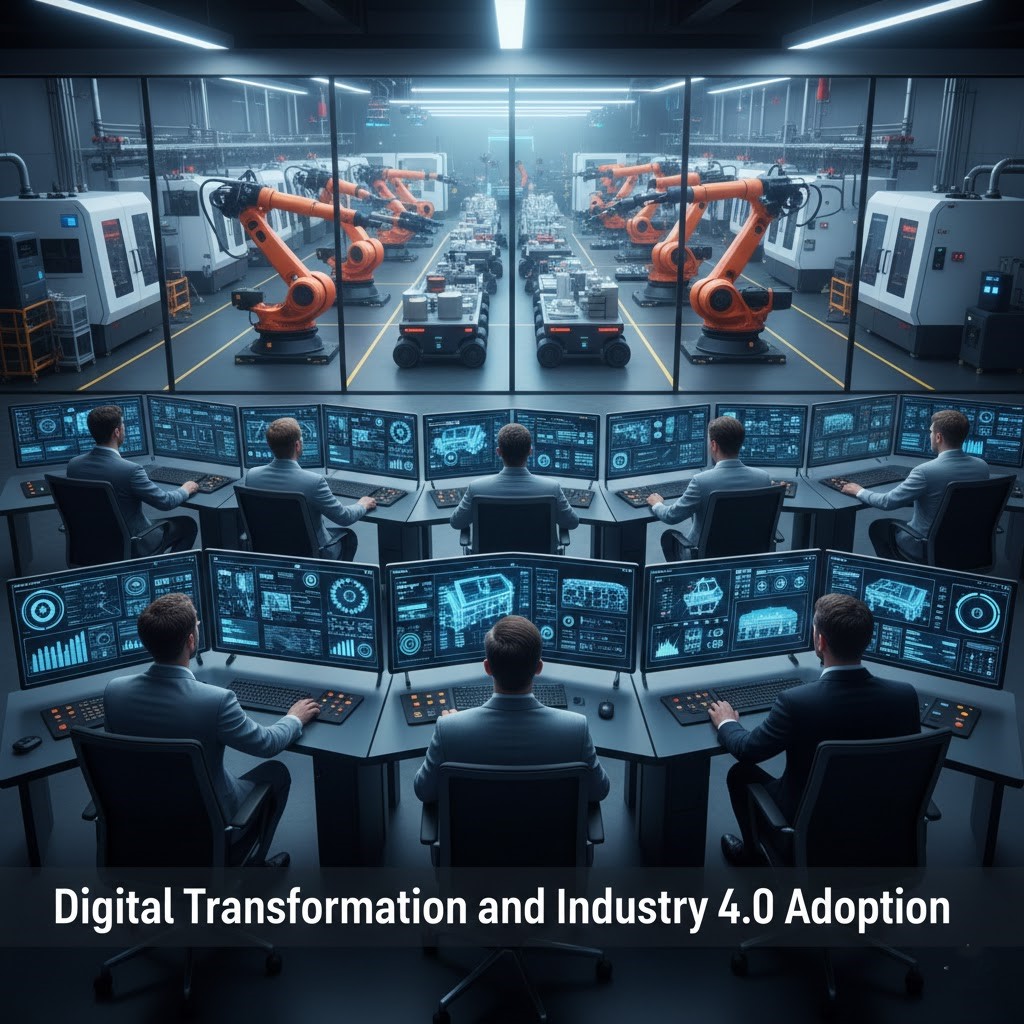
Digital transformation will increasingly differentiate leaders from laggards among India’s core industries in 2026. Sectors that were traditionally slow to adopt technology are now embracing Industry 4.0 to enhance efficiency, safety, and productivity.
Artificial intelligence, advanced analytics, and automation will be deployed across mining operations, power plants, refineries, and manufacturing facilities. Predictive maintenance will reduce downtime, while digital twins and real-time monitoring systems will optimize production in steel and cement plants.
Digital supply chain platforms will further improve transparency, cost efficiency, and coordination across the industrial ecosystem.
6. Capital Efficiency and Financial Discipline
Capital efficiency will play a crucial role in shaping core industries growth in India in 2026. After years of heavy capital expenditure and balance sheet stress, companies are now focusing on disciplined investment strategies.
Instead of large greenfield expansions, firms will prioritize brownfield projects, asset optimization, and debottlenecking initiatives to improve return on capital employed. This approach will support sustainable growth while protecting profitability during economic cycles.
Stronger balance sheets will also allow companies to access lower-cost financing and invest in modernization and sustainability initiatives.
7. Policy Support and Regulatory Stability

Government policy will remain a key enabler for India’s core industries in 2026. Stable regulations, infrastructure incentives, and production-linked schemes will provide long-term visibility for industry participants and investors.
Environmental norms will become more stringent but also more predictable, enabling companies to plan compliance investments with greater certainty. Policies promoting renewable energy integration, domestic manufacturing, and logistics efficiency will further enhance industrial competitiveness.
The alignment of industrial policy with climate commitments will be critical to balancing economic growth and sustainability goals.
8. Urbanization and Changing Consumption Patterns
Rapid urbanization will continue to drive demand across India’s core industries in 2026. Expansion of cities, housing projects, transport systems, and utilities will directly support consumption of steel, cement, electricity, and petroleum products.
Fertilizer demand will remain steady as agricultural productivity continues to be prioritized to ensure food security for a growing urban population. Rising per-capita energy consumption and increased demand for durable goods will further reinforce long-term industrial demand.
9. Global Integration and Export Growth

India’s core industries in 2026 will become more globally integrated, supported by competitive production costs, improved quality standards, and expanding trade relationships. Steel, refinery products, and fertilizers will find new export opportunities, especially in emerging markets.
However, greater global exposure will also bring challenges such as price volatility and trade regulations. Companies that invest in efficiency, compliance, and product quality will be best positioned to succeed internationally.
Exports will help stabilize capacity utilization and support revenue growth during domestic demand fluctuations.
10. Workforce Transformation and Skill Development
The transformation of India’s core industries in 2026 will require a parallel evolution of the industrial workforce. Demand will grow for skilled professionals capable of managing digital systems, advanced machinery, and sustainability initiatives.
Companies will increase investments in training, reskilling, and workplace safety to improve productivity and reduce operational risks. Collaboration between industry, government, and educational institutions will be essential to building a future-ready workforce.
A skilled labor base will strengthen India’s position as a reliable global manufacturing and industrial hub.
Infrastructure-led growth will continue to be the main driver of India’s core industries in 2026, backed by long-term planning and investments from government bodies like the Ministry of Commerce & Industry.
The sharp reaction in Vedanta’s share price highlights how sensitive commodity-linked stocks are to news-driven volatility. Similar movements have been observed across the broader metals space, as explained in our coverage of the mining and metals industry in India. Investors tracking such developments should also keep an eye on wider Indian stock market trends.