






Dale Steyn on IND vs SA 2nd T20I strongly criticised one of the biggest talking points of the match — India’s surprising decision to promote Axar Patel to No. 3. The second T20I between India and South Africa created headlines not just for South Africa’s commanding win but also for the tactical choices made during India’s chase of a towering target. Among these choices, the most debated was Axar Patel walking in at one-down, a move that many—including Steyn—believe added unnecessary pressure in an already difficult situation.
Former South African fast bowler Dale Steyn, known for his straightforward, sharp cricketing insights, did not hold back while analysing the match. In his assessment of the game, Dale Steyn on IND vs SA 2nd T20I criticised India’s tactical call, saying, “Axar Patel can bat, but sending him at No. 3 felt like throwing him to the wolves.” His remark resonated deeply with fans and experts, many of whom questioned India’s strategy and whether Axar Patel was the right choice for such a high-pressure batting position.
Background: India’s T20 Strategy and the Importance of the No. 3 Position
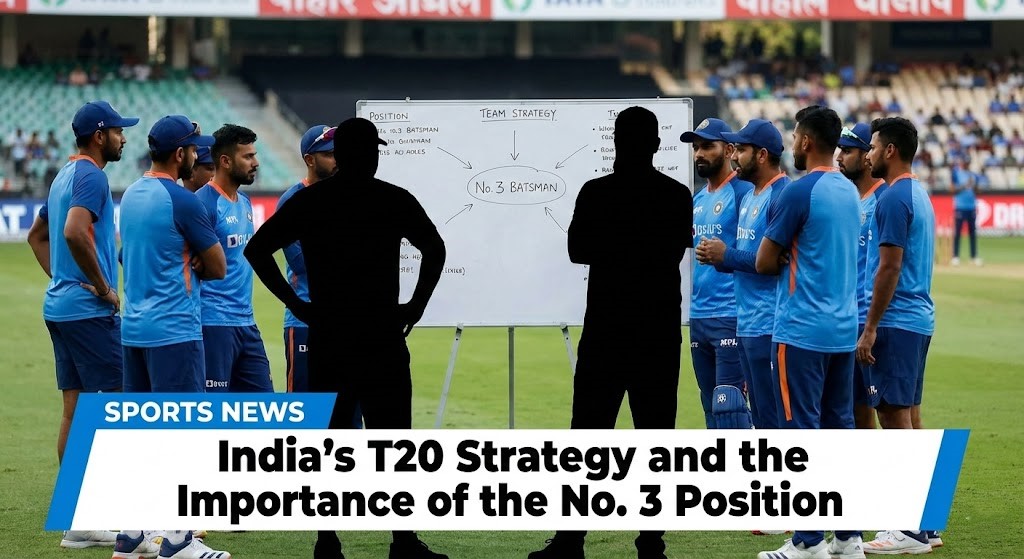
The No. 3 batting position in T20 cricket is one of the most crucial roles in the lineup. It demands:
- The ability to stabilize the innings after an early wicket.
- The capability to accelerate when required.
- Adaptability across conditions and match situations.
- Experience in navigating both spin and pace with control.
Traditionally, India has relied on specialists like Virat Kohli, Suryakumar Yadav, and Shreyas Iyer for the No. 3 position. Their experience and temperament make them ideal for building innings under pressure. This is why even Dale Steyn on IND vs SA 2nd T20I highlighted that promoting Axar Patel ahead of these established top-order batters did not align with India’s usual tactical approach.
However, in recent months, India’s T20 approach under new management has shifted towards flexibility and experimentation, often rotating batting roles. While experimentation can uncover hidden strengths, it also risks destabilizing rhythm when used in pressure matches.
The second IND vs SA T20I showcased the thin line between innovation and miscalculation.
Match Situation: Why India Looked for Stability Early

South Africa posted a daunting total, crossing 210 with dominant batting. India needed:
- A fast yet stable start.
- Partnership building in early overs.
- Smart strike rotation along with boundary-hitting options.
However, India lost Shubman Gill early, putting immediate pressure on the chase. Instead of sending an experienced top-order batter to rebuild, India surprised by sending Axar Patel at No. 3.
This decision became the focal point of discussion after the loss.
Axar Patel as a Batter: Strengths, Role, and Limitations

Axar Patel’s evolution as a cricketer has been impressive. His strengths include:
- Clean hitting against spin.
- The ability to stabilize lower-order partnerships.
- Composure in slow, gripping conditions.
- Recent improvements in timing and placement.
However, his limitations include:
- Lesser experience facing express pace upfront.
- Limited exposure to the new ball in T20Is.
- A role primarily designed for Nos. 6–7, not No. 3.
- Less adaptability in situations requiring match-tempo control.
While Axar is undoubtedly a strong all-rounder, the tactical mismatch lies in placing him in a specialist top-order role, especially during a tense chase.
Dale Steyn’s Reaction: Why the Move Felt Like “Throwing Him to the Wolves”

Dale Steyn’s comment reflected layered concerns:
Pressure of the Chase
Chasing over 210 requires:
- High strike rate.
- Immediate boundary options.
- Technical excellence against pacers with the new ball.
Axar was not the ideal candidate for such a role, according to Steyn.
Facing South Africa’s Early Bowling Firepower
South Africa’s opening bowlers are known for:
- Swing with the new ball.
- High pace and bounce.
- Aggressive lengths.
This is where Steyn felt Axar was exposed to a challenge he was not prepared for.
Misuse of a Valuable All-Rounder
Steyn acknowledged Axar’s batting ability but argued that:
- His strengths are suited to the middle/lower order.
- Sending him early risked undermining his confidence.
- Poor planning placed unnecessary burden on him.
Undermining Skilled Top-Order Batters
Steyn also pointed out the questionable logic of keeping specialist batters waiting while experimenting in a match where stakes were high. According to Dale Steyn on IND vs SA 2nd T20I, India’s decision to hold back proven top-order players while sending Axar Patel up the order disrupted the flow and mindset needed in a must-win chase.
His comment carried weight because it addressed both short-term tactics and long-term team structure.
Why India Sent Axar at No. 3: The Thinking Behind the Move

While criticized, the decision was not entirely without reasoning. Possible intentions included:
Left-Hand–Right-Hand Combination
India might have sought a tactical advantage by pairing a left-hander early.
Powerplay Utilization
Axar has the ability to hit boundaries against spin, but South Africa bowled pace-heavy early overs, negating this advantage.
Experimentation Before the World Cup
India is known to test flexible roles during bilateral series, but critics argue this was not the right moment.
Trying to Shield Other Batters
If a collapse was predicted, management may have wanted Axar as a floater to experiment without exposing others early, a point that Dale Steyn on IND vs SA 2nd T20I also criticised, highlighting the risks of such tactical decisions.
Still, these justifications failed in execution, as the context demanded experience, not experimentation.
How Axar’s Promotion Impacted India’s Chase

Axar’s innings ended early, and several negative effects followed:
Broken Rhythm
Sending a non-regular No. 3 disrupted India’s natural batting flow.
Increased Pressure on Middle Order
Suryakumar Yadav and other middle-order batters entered with:
- Increased scoreboard pressure.
- Falling required run-rate.
- Lack of early partnerships.
Momentum Shift
South Africa gained control by removing Axar early, boosting their confidence.
Negative Psychological Impact
A move perceived as forced experimentation can lower morale and clarity within the team.
Expert and Fan Reactions: Widespread Debate

The move triggered significant debate across cricket circles.
Analysts Questioned India’s Strategy
Many experts echoed Steyn’s concerns, emphasizing:
- Stability over experimentation.
- Clear role definitions.
- The need to respect the importance of No. 3.
Social Media Criticism
Fans expressed frustration that:
- India experimented during a must-win moment.
- Senior players didn’t take responsibility.
- Axar was put in a difficult position.
Support for Axar
Fans also defended Axar, saying he shouldn’t be blamed for a decision beyond his control, with many echoing the points raised by Dale Steyn on IND vs SA 2nd T20I, who criticised India’s controversial batting order move and sparked widespread debate.
What Steyn’s Comment Reveals About Modern T20 Cricket

Steyn’s remark is part of a larger conversation about T20 tactics.
Importance of Defined Roles
Modern T20 teams succeed when players have:
- Clear responsibilities.
- Stable positions.
- Consistent backing.
Timing of Experiments
Experimentation works when:
- The team is not under intense scoreboard pressure.
- Conditions suit the experiment.
Predictability vs Adaptability
A balanced team must know when to adapt and when to stick to proven strategies, a point repeatedly highlighted by Dale Steyn on IND vs SA 2nd T20I, who criticised India’s experimental decision of sending Axar Patel at No. 3 in a high-pressure chase.
India, in this match, seemingly leaned too far into adaptability.
Lessons for India Ahead of Future T20 Assignments

Avoid Experimental Surprises in High-Pressure Chases
Experiments should not compromise match-winning chances.
Use All-Rounders in Their Best Roles
Axar shines as a finisher and stabilizer, not a No. 3 anchor.
Maintain a Reliable Top Three
Success in T20s often depends on stability at the top.
Balance Between Innovation and Logic
Innovation must support cricketing fundamentals, not contradict them.
Communicate Strategy Clearly
Players need clarity on their roles to perform effectively.
What This Decision Means for Axar Patel’s Role Going Forward

Axar remains a crucial all-rounder. But his promotion has:
- Ignited discussion about his ideal batting role.
- Highlighted the need for better utilization of his strengths.
- Sparked concerns that repeated tactical errors could affect his confidence.
India must ensure that Axar’s growth as a batter continues without exposing him unnecessarily.
Former South African fast bowler Dale Steyn, known for his sharp cricketing insights, criticised India’s decision to send Axar Patel at No. 3. In the 2nd T20I between India and South Africa, Steyn said it “made no sense” and that Axar was “thrown to the wolves,” a comment widely discussed by fans and analysts.
Just as teams in tournaments like the Junior Hockey World Cup learn from every match, India can take lessons from the tactical errors highlighted by Dale Steyn on IND vs SA 2nd T20I.