




The Asian Development Bank (ADB) has raised India GDP Growth FY26 forecast to 7.2%, up from the earlier 6.5%. This revision reflects strong confidence in India’s economic momentum, supported by robust domestic consumption, rising investment, and growth in the manufacturing and services sectors. The upgraded outlook highlights India’s position as one of the fastest-growing major economies, with policy support playing a key role in sustaining India GDP Growth FY26.
1. Understanding the New Forecast: 7.2% Growth
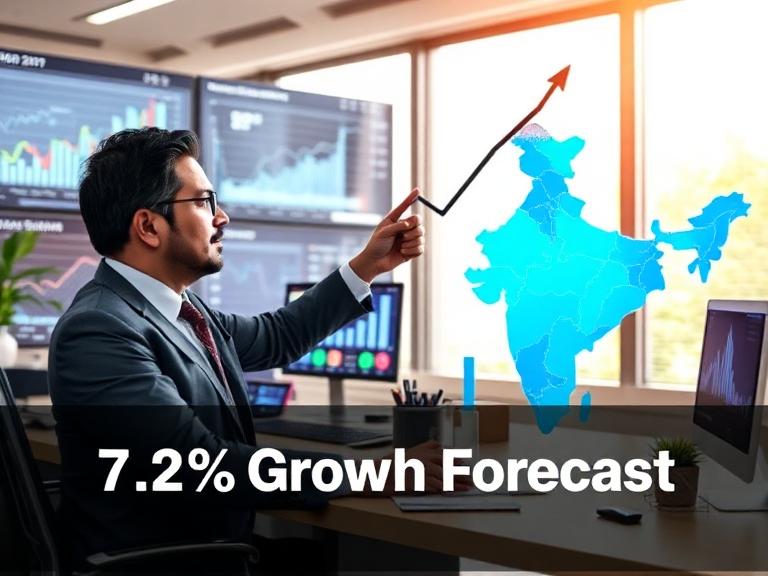
ADB’s revised projection reflects India GDP Growth FY26 and highlights the country’s strong performance in the first half of the fiscal year. Economic data show that India has maintained a robust pace of growth, driven by both demand and supply-side factors. The GDP expansion is supported not only by domestic consumption but also by industrial production, services growth, and investment activity. The forecasted 7.2% growth, up from 6.5%, underscores optimism about India’s near-term economic outlook and the trajectory of India GDP Growth FY26.
While this growth rate marks a remarkable achievement, the forecast for FY27 remains at 6.5%, reflecting potential moderation due to base effects, global uncertainties, and anticipated fiscal consolidation. Nonetheless, the India GDP Growth FY26 projection demonstrates resilience and sustained momentum in the country’s economy, reinforcing confidence in India’s near-term economic performance.
2. Domestic Consumption: The Primary Growth Driver
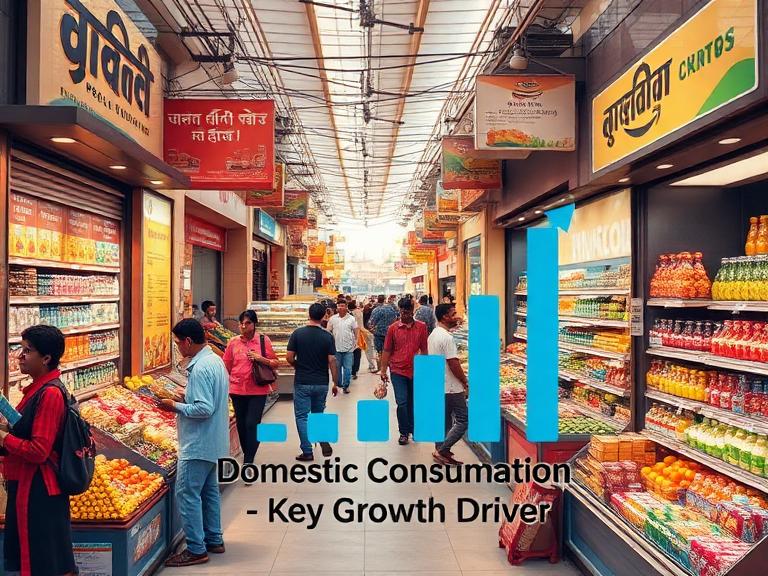
Domestic consumption has emerged as the key factor driving the revised growth forecast. Higher household spending has bolstered demand across multiple sectors, supporting the overall economy.
Boost from Tax Cuts
Recent government-led tax reductions have increased disposable income, boosting spending and supporting India GDP Growth FY26. Both direct and indirect tax cuts have strengthened consumer confidence and purchasing power, enabling households to spend more on goods and services and further driving economic momentum.
Strength Across Urban and Rural Areas
The consumption surge in India is broad-based, supporting India GDP Growth FY26. Urban areas have recorded higher spending on durable goods, automobiles, and consumer electronics, while rural and semi-urban regions show rising demand for essentials, retail products, and agricultural equipment. This widespread consumption generates a multiplier effect, benefiting multiple sectors and further strengthening India GDP Growth FY26.
Impact on Consumer-Facing Sectors
Industries such as retail, consumer goods, automobiles, and FMCG have directly benefited from the consumption upswing. Increased spending has also led to higher demand for services, including hospitality, transportation, and financial services.
Domestic consumption remains the backbone of India’s growth, contributing significantly to the upward revision of the GDP forecast.
3. Supply-Side Strength: Manufacturing and Services
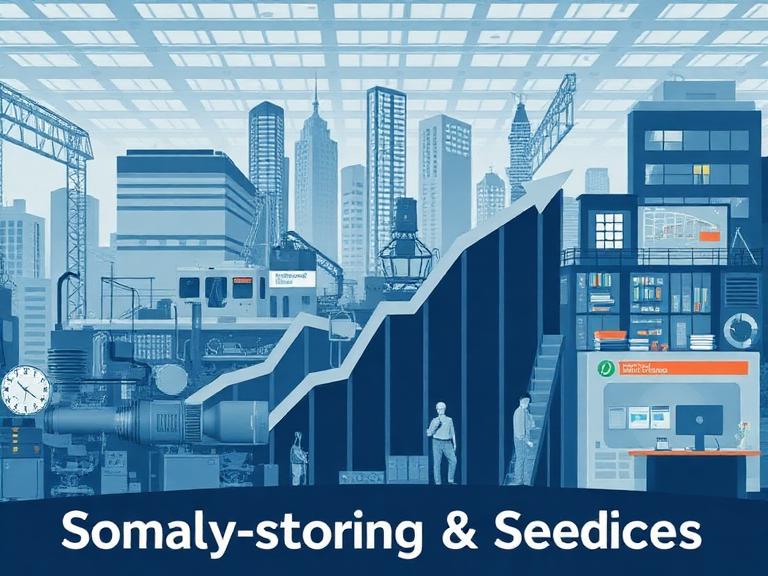
While demand has surged, the supply side has responded robustly, ensuring that growth is sustainable.
Manufacturing Sector Recovery
The manufacturing sector has shown strong growth in FY26. Industrial production, especially in key sectors such as automobiles, electronics, textiles, and machinery, has risen sharply. Investments in production facilities and modernization have further enhanced manufacturing capabilities, supporting overall economic expansion.
Services Sector Expansion
India’s services sector — a significant contributor to GDP — has experienced substantial growth. Sectors such as IT services, telecommunications, financial services, healthcare, and logistics have contributed to the overall economic performance. Rising domestic demand and continued strength in exports of services have helped maintain momentum.
Synergy Between Supply and Demand
The simultaneous growth in supply and demand creates a virtuous cycle. As production rises to meet increasing consumption, employment opportunities expand, incomes rise, and further demand is stimulated. This positive feedback loop has been a key factor in the ADB’s upward revision.
4. Investment and Credit: Strengthening the Growth Foundation
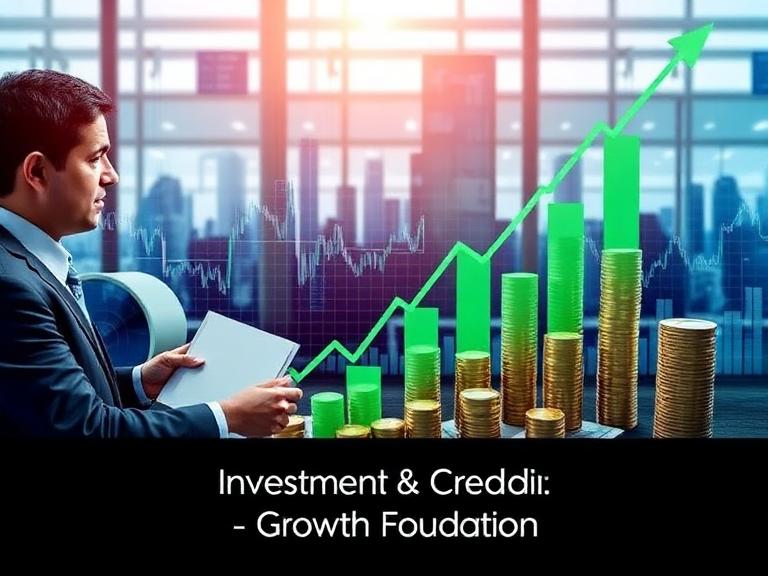
Investment activity and credit availability have provided critical support to India’s growth trajectory.
Private and Public Investment
Both private and public investment have strengthened economic growth. Private sector capital expenditure on infrastructure, technology, and expansion projects has increased, while public investment in roads, ports, and urban infrastructure has provided additional momentum.
Credit Growth and Accessibility
Robust credit growth has enabled businesses and households to invest and spend more. Easy access to credit has supported consumer spending, real estate, and capital-intensive industries, reinforcing the growth momentum.
Long-Term Implications
Sustained investment and credit flow not only support immediate economic growth but also enhance long-term productive capacity. Expansion in infrastructure, technology adoption, and business investment contributes to higher efficiency and competitiveness, laying the foundation for sustained growth.
5. Policy Measures: Tax Cuts and Structural Reforms
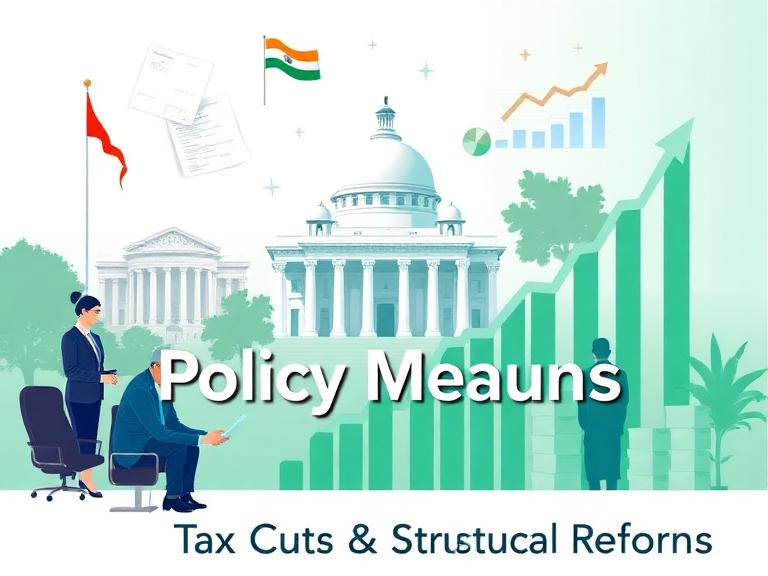
Government policy interventions have played a critical role in boosting growth.
Fiscal Measures and Tax Reductions
The government’s targeted tax reductions have increased disposable income, driving consumption. Income tax relief and rationalization of indirect taxes such as GST have enhanced affordability, particularly for middle-income households, fostering consumption-driven growth.
Capital Expenditure and Infrastructure Support
Government spending on infrastructure and capital projects has created jobs and stimulated demand for goods and services. Infrastructure projects improve connectivity and efficiency, generating long-term productivity gains.
Structural Reforms
Policy reforms, including labor market flexibility, streamlined GST procedures, and credit facilitation, have improved the business environment. These measures increase ease of doing business, encourage investment, and enhance productivity across sectors.
6. External Sector: Resilient Services Exports Amid Global Challenges

India’s exports face mixed prospects. While goods exports may encounter headwinds due to global economic slowdown and trade tensions, services exports remain resilient.
Services Exports as a Growth Cushion
IT, software, and professional services exports continue to perform well, offsetting some weakness in goods exports. This resilience ensures that India remains insulated from some external shocks, sustaining overall economic growth.
Domestic Focus Reduces External Vulnerability
India’s growth model increasingly relies on domestic demand, reducing vulnerability to global trade fluctuations. Strong internal demand and a diversified economy provide a buffer against external economic volatility.
7. Outlook for FY27: Opportunities and Challenges

While FY26 shows strong growth, FY27 is projected to moderate to 6.5%. Several factors are expected to influence the next fiscal year’s growth trajectory.
Moderating Factors
- Base Effect: The exceptionally strong growth in FY26 will make sustaining similar growth rates challenging.
- Fiscal Consolidation: Government spending may taper to maintain fiscal discipline, potentially slowing investment-led growth.
- Global Risks: Trade tensions, geopolitical instability, or economic slowdown in key partner countries could affect exports and investment flows.
Positive Drivers
- Continued Domestic Consumption: Rising incomes and favorable policies could sustain household spending.
- Structural Reforms: Reforms in taxation, labor markets, and business regulations could boost productivity and investment.
- Balanced Growth Engines: Manufacturing, services, consumption, and investment together create a diversified growth model less prone to shocks.
8. Implications for the Economy, Policymakers, and Businesses

The upgraded growth forecast has wide-ranging implications for various stakeholders.
Economic Implications
Achieving 7.2% growth in FY26 would reinforce India’s position as a fast-growing major economy. Higher GDP growth can increase employment, improve living standards, and expand the tax base, strengthening fiscal stability.
Policy Implications
Policymakers are encouraged to continue reforms and targeted interventions to sustain momentum. Maintaining fiscal prudence while promoting investment, consumption, and infrastructure development will be critical for long-term stability.
Business and Investment Opportunities
Consumer-focused sectors such as retail, automobiles, FMCG, and services stand to benefit directly from increased domestic demand. Investment in infrastructure, technology, and manufacturing could see renewed confidence, attracting domestic and foreign capital.
Benefits to Citizens
Strong growth can lead to higher employment opportunities, rising incomes, and better public services. Tax relief and policy measures improve disposable income, supporting enhanced consumption and savings.
9. Risks to Growth: What Could Go Wrong

Despite the optimistic outlook, several risks could derail India’s growth trajectory.
Global Economic Uncertainty
Slowdown in global demand, trade conflicts, and geopolitical tensions could negatively affect exports, investment, and financial markets.
Domestic Challenges
Inflationary pressures, rising commodity prices, and fiscal deficits could strain growth. Over-reliance on consumption may expose the economy to cyclical demand fluctuations.
Policy Risks
Ineffective policy implementation, delays in infrastructure projects, or weak regulatory frameworks could impede the positive momentum generated by current reforms.
Mitigating these risks requires prudent fiscal management, continued reforms, and careful monitoring of domestic and global economic trends.
According to the Asian Development Bank, India’s GDP growth for FY26 has been revised to 7.2%, up from 6.5%.
India Emerging Market Growth 2025 is expected to reach 7%, driven by strong domestic consumption across key sectors.