





The global oral care market is dominated by mouthwashes containing alcohol, synthetic chemicals, artificial flavors, and preservatives. While these products can be effective, they often cause dryness, irritation, burning sensations, tooth staining, and changes in taste. As a result, natural alternatives like garlic mouthwash have gained popularity due to their gentle, safe, and eco-friendly properties. Recent studies highlight the garlic mouthwash antibacterial benefits, making it a promising choice for those seeking effective oral care without harsh chemicals.
Garlic, long celebrated for its antimicrobial and healing potential, has been used in holistic medicine for centuries. What’s particularly noteworthy is how recent research emphasizes the garlic mouthwash antibacterial benefits against oral bacteria and fungi, which contribute to common dental problems such as cavities, gingivitis, periodontitis, and bad breath. Scientists found that garlic mouthwash provides a unique combination of strong germ-fighting power, natural healing properties, and minimal side effects when used properly.
Overview of the Study: What Scientists Set Out to Discover
The study aimed to evaluate whether garlic mouthwash could serve as an effective oral rinse and how its performance compares to commercial mouthwashes dominating the market. Researchers specifically examined the garlic mouthwash antibacterial benefits by testing it against various harmful microorganisms, including:
- Streptococcus mutans – a primary cause of cavities and plaque
- Porphyromonas gingivalis – associated with gum disease
- Lactobacillus species – responsible for enamel erosion
- Candida albicans – fungus that causes oral thrush
Researchers prepared a garlic mouthwash at varying concentrations and tested it against these harmful pathogens. The results were then compared with popular commercial mouthwash ingredients, such as chlorhexidine and alcohol-based solutions, highlighting the garlic mouthwash antibacterial benefits in controlling oral bacteria and fungi.
The study revealed that garlic mouthwash demonstrated remarkable antimicrobial effects, in several cases closely matching the germ-fighting abilities of popular commercial mouthwashes. These findings highlight the garlic mouthwash antibacterial benefits, positioning garlic as a scientifically supported natural oral care solution rather than just a traditional remedy.
The Science Behind Garlic’s Antimicrobial Power

The remarkable effects of garlic mouthwash come from its rich collection of bioactive compounds. The most important is allicin, which forms when garlic is crushed, chopped, or chewed. Allicin is not only responsible for garlic’s characteristic smell but also contributes significantly to the garlic mouthwash antibacterial benefits that support oral health.
How Allicin Works
Allicin disrupts the cell structure of bacteria, fungi, and even certain viruses by:
- Breaking down microbial cell walls
- Blocking metabolism inside harmful microorganisms
- Preventing replication of bacteria
- Interrupting enzyme activity that bacteria need to survive
This makes garlic a broad-spectrum antimicrobial agent.
Other Active Compounds in Garlic
Garlic contains additional components that contribute to its oral health benefits:
- Sulfur compounds (ajoene, diallyl sulfide)
- Flavonoids
- Saponins
- Antioxidants
Together, these compounds contribute to the garlic mouthwash antibacterial benefits, helping reduce inflammation, repair tissue damage, and control harmful microbial populations in the mouth.
Why Garlic Is Especially Effective in the Mouth
The oral environment is naturally moist and warm, creating an ideal setting for bacterial colonies and biofilms (plaque) to develop. The active compounds in garlic mouthwash work effectively in this environment, penetrating biofilms, disrupting bacterial colonies, and helping prevent harmful bacteria from adhering to teeth. These actions contribute to the garlic mouthwash antibacterial benefits that support healthier oral hygiene.
Key Findings of the Study: What Researchers Concluded

The research findings highlight garlic as a strong contender in the oral care category. Below are the major conclusions:
Strong Germ-Fighting Capacity
Garlic mouthwash inhibited the growth of both gram-positive and gram-negative bacteria responsible for dental diseases.
Effective Against Biofilm Formation
Biofilms protect bacteria from mouthwashes, but garlic compounds penetrated biofilm layers, reducing plaque formation.
Comparable to Commercial Mouthwashes
In several trials, garlic mouthwash performed similarly to chlorhexidine mouthwash—considered a gold standard among dentists.
Effective Against Oral Fungal Infections
Garlic significantly inhibited Candida albicans, making it useful for individuals prone to oral thrush.
Affordable and Easily Accessible
Garlic mouthwash can be prepared using simple ingredients, making it ideal for low-income communities.
Fewer Side Effects
Most participants tolerated garlic mouthwash well when properly diluted.
Major Benefits of Garlic Mouthwash
Garlic mouthwash offers several oral health benefits backed by research. Here is a detailed point-to-point explanation:
Eliminates Bad Breath (Halitosis)
Although garlic has a strong aroma, its extract actually reduces bad breath by:
- Killing sulfur-producing bacteria
- Neutralizing odors from decaying food particles
- Reducing infection-related odors
Reduces Plaque Accumulation
Garlic’s antibacterial nature helps delay plaque development and prevents the hardening of plaque into tartar.
Prevents Cavities
By reducing Streptococcus mutans, garlic helps lower the risk of dental caries naturally.
Fights Gum Disease
Garlic mouthwash reduces inflammation and controls the bacterial load responsible for gingivitis and periodontitis.
Helps Heal Mouth Ulcers
Its antioxidant and anti-inflammatory properties promote healing of oral wounds and ulcers.
Controls Fungal Growth
Garlic inhibits fungal infections such as oral thrush, especially in individuals with weak immunity.
Natural and Chemical-Free
Unlike alcohol-based rinses, garlic is gentle when prepared properly and does not cause tissue dryness or burning sensations.
Boosts Immune Function
Regular exposure to garlic compounds can help strengthen the mouth’s natural defense system.
Garlic Mouthwash vs. Chemical Mouthwashes: A Comparison
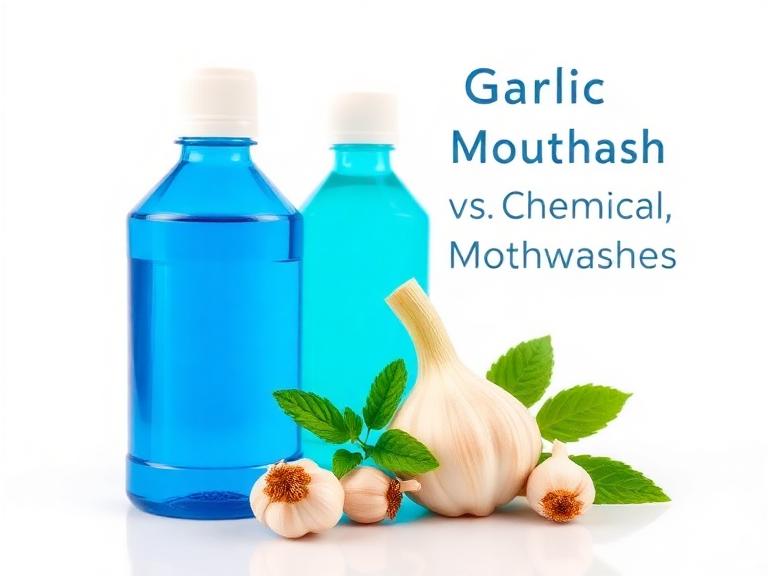
Consumers often question whether natural products can match the strength of chemical formulations. This comparison clarifies the differences:
Garlic Mouthwash vs. Chlorhexidine
Chlorhexidine is powerful but comes with side effects such as:
- Stained teeth
- Altered taste
- Gum irritation
Garlic, while slightly milder, offers antimicrobial benefits with minimal side effects.
Garlic Mouthwash vs. Alcohol Mouthwashes
Alcohol mouthwashes can:
- Dry out the mouth
- Irritate oral tissues
- Increase sensitivity
Garlic is soothing and more suitable for sensitive users.
Garlic Mouthwash vs. Herbal Rinses
Many herbal rinses contain diluted concentrations of active ingredients. Garlic, however, contains potent natural compounds that directly target bacteria.
Cost Comparison
Garlic mouthwash is significantly cheaper to prepare and requires only simple ingredients.
How to Prepare Garlic Mouthwash at Home (Step-by-Step Guide)

One of the greatest advantages of garlic mouthwash is that it is easy to prepare at home, allowing users to enjoy its natural antibacterial benefits without relying on commercial products.
Ingredients
- 3–4 fresh garlic cloves
- 1 cup warm water
- 1 teaspoon honey (optional)
- 1 teaspoon salt (optional for healing)
- ½ teaspoon lemon juice (optional for freshness)
Preparation Steps
- Crush the garlic cloves to release allicin.
- Allow them to rest for 10 minutes to maximize the allicin content.
- Mix the crushed garlic with warm water.
- Stir thoroughly and allow the mixture to sit for 5 minutes.
- Strain the liquid to remove solid pieces.
- Add honey or lemon for taste if desired.
- Use immediately for best results.
How to Use It
- Swish 10–15 ml of the solution for 30–45 seconds.
- Avoid swallowing it.
- Rinse with plain water afterwards.
- Use once daily for maximum benefit.
Safety Tips and Possible Side Effects
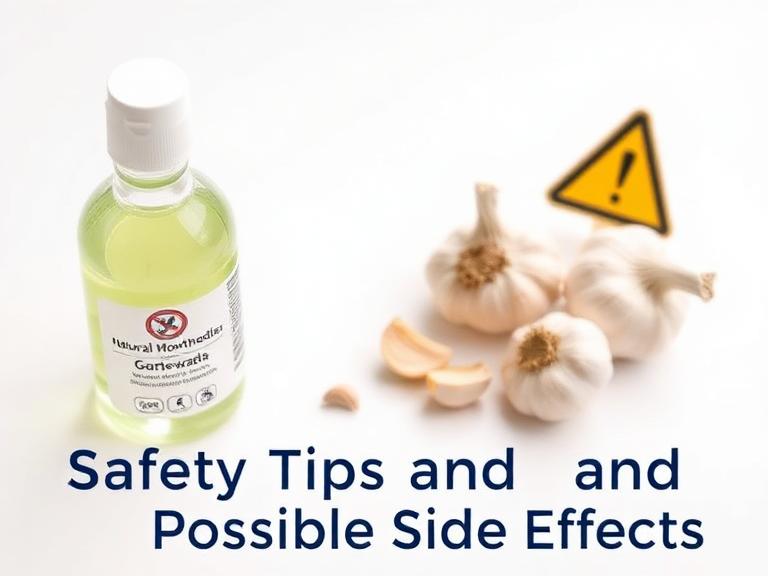
Although garlic mouthwash is natural, users should consider a few safety measures:
Dilution Is Essential
Undiluted garlic extract can cause burning sensations.
Possible Temporary Odor
The natural smell of garlic may linger briefly.
Allergic Reactions
People allergic to garlic must avoid this rinse.
Avoid Using on Open Bleeding Wounds
Garlic may sting if applied directly to open cuts.
Keep Out of Reach of Children
Children may accidentally swallow the mouthwash.
Consult Your Dentist
Patients with severe gum disease should seek professional advice before using strong herbal remedies.
Dentist Opinions: What Professionals Say About Garlic Mouthwash
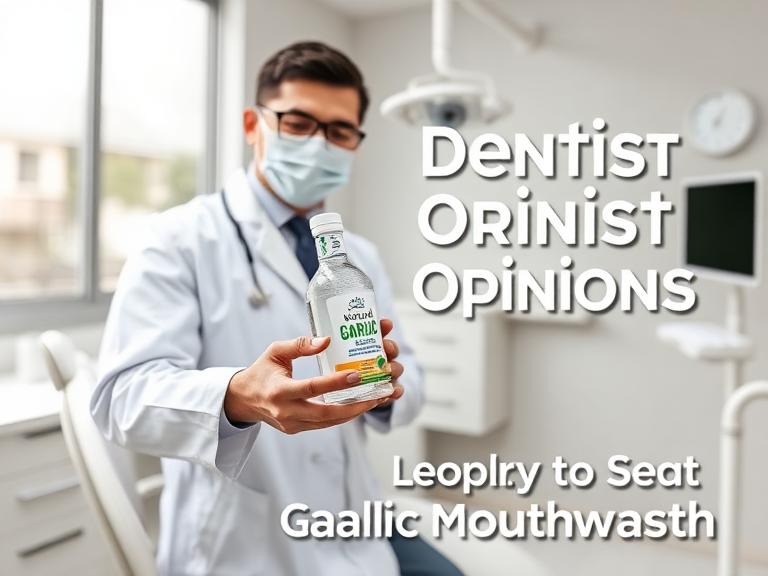
Dentists acknowledge garlic’s therapeutic potential but also emphasize responsible usage.
Dentists Agree on These Points:
- Garlic has proven antimicrobial properties.
- It can reduce plaque and gingival infections.
- It should be used as a supplement, not a replacement for brushing and flossing.
- Chronic dental conditions still require professional care.
While garlic mouthwash cannot replace routine dental visits, it can enhance overall oral hygiene.
Additional Uses of Garlic Beyond Oral Care
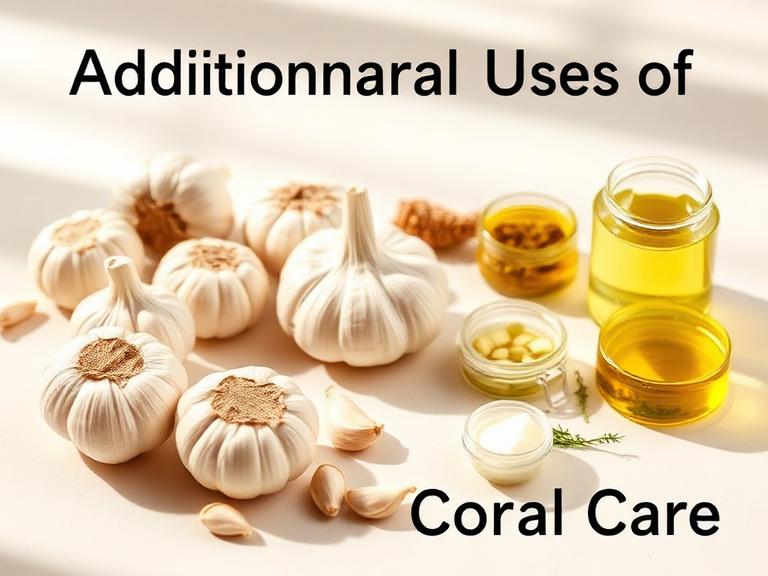
Garlic’s medicinal properties extend far beyond oral health:
Helps Treat Skin Infections
Diluted garlic extract can be used externally to treat fungal or bacterial skin problems.
Supports Respiratory Health
Garlic steam inhalation clears nasal and throat congestion.
Boosts Immunity
Garlic helps activate immune cells, strengthening the body’s defense mechanisms.
Acts as a Natural Anti-Inflammatory
Its compounds help reduce inflammation throughout the body.
Future Potential of Garlic in the Oral Care Industry
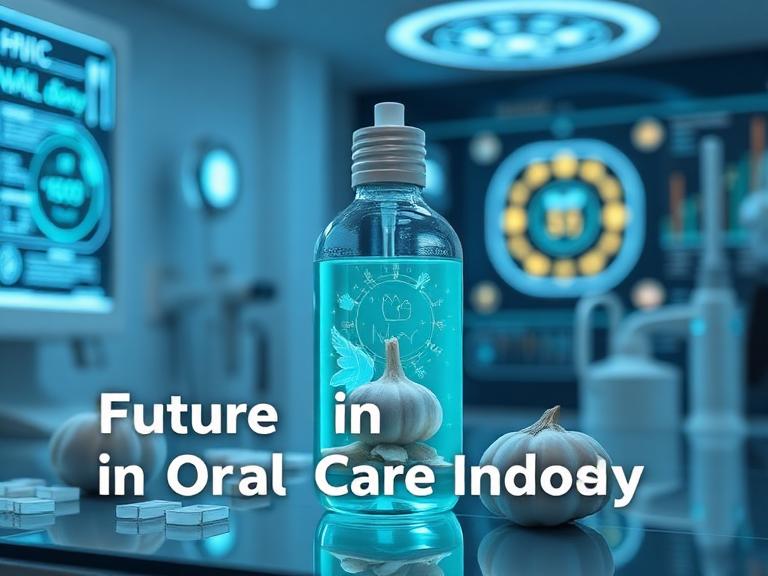
Researchers believe garlic could play a greater role in future dental care innovations. Potential developments include:
- Odorless garlic mouthwash formulations
- Commercial garlic-based dental rinses
- Combination herbal mouthwash blends
- Standardized concentrations for clinical use
- Clinical trials comparing garlic directly with prescription rinses
- Products designed for children and elderly patients
The future may see garlic-based products widely available in pharmacies and dental clinics.
Read scientific studies on garlic’s antimicrobial effects at NCBI and PubMed:
https://www.ncbi.nlm.nih.gov
“Recent research shows that tattoo immune system effects may leave the skin temporarily vulnerable to infections.”