






Tattoos have long been a popular form of self-expression, cultural identity, and art. From elaborate sleeve designs to minimalist symbols, millions of people worldwide choose tattoos to display their personal stories or beliefs.
Beyond their visual appeal, tattoos can influence the body in deeper ways. Modern research shows that getting a tattoo affects more than just the outer skin—it can trigger biological changes underneath the surface.
Studies on tattoo immune system effects reveal that the process may cause localized immune damage, short-term inflammation, and changes in the body’s natural defense mechanisms. Tattooing involves inserting ink into the dermis, which forces the immune system to treat the pigment as a foreign substance.
Because of this, tattooing is not only a cosmetic procedure. It is also a biological intervention. The immune system responds immediately, sending specialized cells like macrophages to capture and contain pigment particles. Some of these cells die and are replaced, while others hold the ink permanently—making tattoos visible.
Understanding these tattoo immune system effects is essential for anyone considering body art. It helps individuals recognize possible risks such as allergic reactions, chronic inflammation, or delayed immune responses.
Research also highlights that tattoo pigment may remain in the body for years, sometimes spreading to lymph nodes. This may alter how the immune system reacts in the long term, especially for people with pre-existing immune conditions.
Knowing these biological interactions allows individuals to make informed decisions. It also encourages safer tattoo practices, such as choosing certified artists, checking ink quality, and following proper aftercare instructions.
By learning the science behind tattoo immune system effects, readers can better understand how tattoos interact with skin immunity and take steps to minimize any long-term complications.
Understanding the Skin’s Immune System

To understand how tattoos impact immunity, it is essential to first grasp the workings of the skin immune system. The skin, the body’s largest organ, serves as the primary barrier against external threats such as bacteria, viruses, and environmental pollutants. Tattoo immune system effects begin here, as the process of tattooing directly interacts with these defense mechanisms. Key components of the skin’s immune system include:
- Langerhans cells – Specialized dendritic cells that detect pathogens and trigger immune responses.
- Macrophages – Cells that engulf and digest foreign substances, including microbes and tattoo pigments.
- T lymphocytes – Immune cells that coordinate adaptive immune responses and memory against infections.
- Mast cells and neutrophils – Involved in inflammation and immediate immune defense.
The skin’s immune system functions through both innate and adaptive immunity. Innate immunity offers rapid, non-specific defense, while adaptive immunity develops over time, providing long-term protection. Tattoo immune system effects occur because tattooing interacts with both types, causing localized changes in immune activity and sometimes triggering inflammation or altered skin defenses.
How Tattooing Interacts With the Immune System
Tattooing involves repeatedly puncturing the skin with needles to deposit ink into the dermis, creating permanent designs. This activates multiple responses from the body’s immune defenses.
- Inflammation – The micro-injuries caused by needles prompt the release of inflammatory mediators, leading to redness, swelling, and mild pain. This is a natural part of healing.
- Macrophage activation – Macrophages attempt to engulf and digest tattoo pigments. Since most pigments are insoluble, they remain trapped in these cells, giving tattoos their permanence.
- Langerhans cell reduction – Studies indicate a temporary reduction of Langerhans cells in tattooed areas, weakening local immunity and delaying pathogen detection.
- Chronic low-level inflammation – Long-term pigment retention can cause ongoing low-grade inflammation, keeping the immune system continuously engaged in the area.
These localized immune responses highlight how tattoos are not just cosmetic but biological interventions that can affect skin immunity over extended periods.
Evidence of Localized Immune Damage

Scientific research has begun to document the immune effects of tattoos:
- Decreased immune surveillance – Tattooed skin may show reduced activity of Langerhans cells and T lymphocytes, which can impair the skin’s ability to fight infections.
- Persistent macrophage engagement – Macrophages retain tattoo pigments for decades, indicating sustained localized immune activity.
- Increased risk of inflammatory reactions – Allergic responses, granulomas, and delayed hypersensitivity are more common in tattooed skin.
These findings indicate that tattoo immune system effects may include localized immune damage, making the skin temporarily—or in some cases, persistently—more vulnerable to infections or inflammatory conditions.
Common Immune and Skin Reactions to Tattoos
Although most tattoos heal without significant issues, some individuals experience skin or immune complications:
- Bacterial or viral infections – Poor hygiene or contaminated inks can trigger infections. Local immune suppression may increase susceptibility.
- Allergic reactions – Red, yellow, and blue inks are more likely to cause allergic dermatitis.
- Granulomas – Immune cells form small nodules around tattoo pigments in an attempt to isolate them.
- Keloids and scarring – Abnormal wound healing can result in thickened scar tissue.
- Delayed hypersensitivity reactions – Some immune reactions may appear months or even years after tattooing, highlighting ongoing immune engagement.
Understanding these potential reactions helps individuals make informed choices before getting a tattoo.
5 Key Factors Influencing Immune Responses to Tattoos

The severity of tattoo immune system effects varies depending on several factors:
- Tattoo size and depth – Larger and deeper tattoos cause more extensive immune disruption.
- Ink composition – Pigments containing metals or synthetic chemicals are more likely to trigger immune reactions.
- Individual immune status – People with autoimmune disorders, allergies, or compromised immunity are more vulnerable.
- Tattooing technique – High needle density, repeated passes, or aggressive shading increase skin trauma.
- Aftercare practices – Proper hygiene and wound care reduce immune stress and infection risk.
By considering these factors, individuals can minimize the potential negative effects on their localized skin immunity.
7 Long-Term Implications of Tattoo-Induced Immune Changes

While most immune changes are localized, there are long-term implications for tattooed skin:
- Persistent pigment retention – Macrophages continue to store ink particles, sustaining low-level inflammation.
- Altered immune cell function – Reduced Langerhans cells may temporarily compromise pathogen detection.
- Diagnostic interference – Tattoos can interfere with skin imaging and dermatological assessments.
- Potential autoimmune triggers – Tattoos may rarely trigger autoimmune skin conditions, such as sarcoidosis, in predisposed individuals.
These factors emphasize the importance of considering long-term immune effects before getting a tattoo.
6 Safe Practices to Reduce Immune Damage

To reduce the risk of localized immune damage, individuals should follow best practices:
- Choose a licensed studio – Ensure hygiene, professional training, and high-quality inks.
- Understand ink composition – Prefer inks with minimal synthetic chemicals or allergens.
- Limit session size and depth – Gradual tattooing allows the immune system to adapt.
- Follow aftercare instructions – Clean and moisturize the tattoo to support healing.
- Consult a dermatologist – Individuals with skin disorders or compromised immunity should seek guidance.
- Monitor for delayed reactions – Prompt evaluation of redness, swelling, or nodules is crucial.
Safe tattooing practices not only prevent infections but also protect localized immune function.
Emerging Research on Tattoos and Immunity

Ongoing research provides new insights into tattoo immune system effects:
- Ink particle retention – Tattoo pigments remain in macrophages, engaging the immune system continuously.
- Immune cell regeneration – Langerhans cells may temporarily decrease but repopulate over time.
- Chronic inflammation markers – Persistent low-grade inflammation has been observed, suggesting long-term immune activity in tattooed skin.
These studies indicate that while tattooing primarily affects localized immunity, more research is needed to determine potential systemic effects.
Tattoo Removal and Immune Considerations
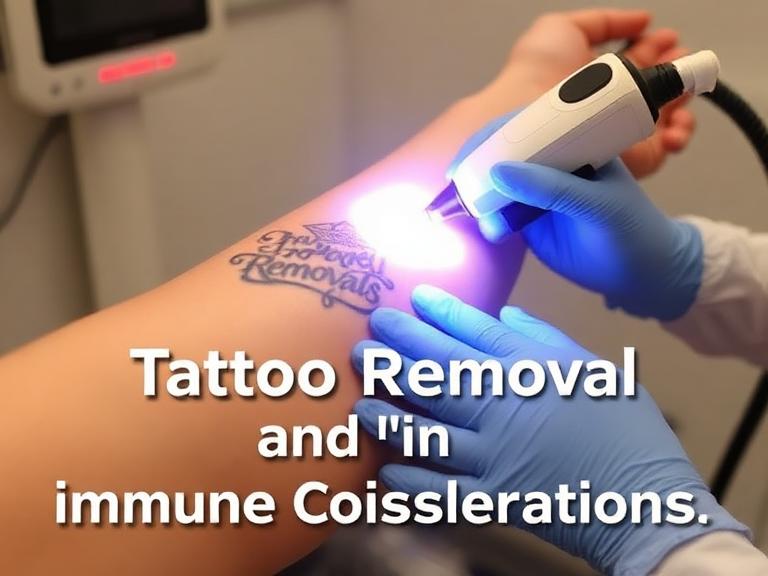
Tattoo removal, usually via laser treatments, also impacts the immune system:
- Macrophage engagement – Laser fragments tattoo pigments, which are then engulfed by macrophages, stressing local immunity.
- Inflammation – Removal triggers inflammation similar to the initial tattooing process.
- Scarring potential – Multiple treatments can increase the risk of skin damage if not carefully managed.
Awareness of these immune implications is important for anyone considering tattoo removal.
Common Myths About Tattoos and Immunity

Several myths surround tattoos and immune function:
- Tattoos weaken overall immunity – Only localized immune changes occur; systemic immunity remains largely unaffected in healthy individuals.
- All tattoos cause infections – Proper hygiene minimizes infection risk.
- Ink is completely inert – Some pigments can provoke immune responses.
- Immune effects are permanent – Most changes are temporary and localized.
Understanding the facts helps individuals make informed choices about tattoos.
Balancing Tattoos and Immune Health

Tattoos can be safely enjoyed with the right precautions. To maintain skin immunity while getting body art:
- Research inks and techniques – Choose safe pigments and skilled artists.
- Space out tattoo sessions – Allow the skin and immune system time to recover.
- Maintain skin health – Hydration, sun protection, and hygiene support immune function.
- Monitor reactions – Seek medical advice for unusual or persistent symptoms.
By balancing creativity and caution, tattoo enthusiasts can minimize immune risks while expressing themselves artistically.
A trusted medical source explaining health effects of tattoos.
External link: https://www.mayoclinic.org
For more science-based stories, check out our detailed feature on microscopic wonders:
Microscopic View of Spider Silk — Skinny Zine