





In a landmark decision aimed at stimulating economic growth and boosting consumer spending, the Reserve Bank of India recently announced that RBI cuts repo rate to 5.25%, lowering it by 25 basis points. This move, declared by the Monetary Policy Committee (MPC) of the central bank, is expected to have far-reaching implications for both borrowers and savers in India. While borrowers can look forward to relief through lower home loan EMIs, savers may face reduced returns on fixed deposits and small savings schemes. This dual impact presents a unique crossroads for the common man, prompting households to reassess their financial strategies.
In this article, we explore the implications of the RBI cuts repo rate to 5.25%, its effect on loans, fixed deposits, and small savings schemes, and provide practical advice for individuals navigating this evolving economic scenario.
Understanding the Repo Rate: What Changes When RBI Cuts Repo Rate to 5.25%
Before diving into the details, it is essential to understand what the repo rate is and why it matters. The repo rate is the rate at which the RBI lends money to commercial banks. Recently, with the announcement that RBI cuts repo rate to 5.25%, the central bank has signaled its intent to boost liquidity and stimulate economic activity. By adjusting this benchmark rate, the RBI can influence credit availability, borrowing costs, and the overall economic environment.
When the RBI reduces the repo rate, borrowing becomes cheaper for banks. Ideally, banks pass on these benefits to their customers by lowering lending rates on loans such as home loans, auto loans, and personal loans. Conversely, lower repo rates, as seen when RBI cuts repo rate to 5.25%, often lead to a reduction in interest earned on savings instruments, since banks’ cost of funds decreases and they adjust deposit rates to maintain profitability.
RBI Cuts Repo Rate to 5.25%: Relief for Home Loan and Personal Loan Borrowers
The 25 basis point reduction in the repo rate comes as a financial relief for millions of Indians with loans linked to the central bank’s benchmark. With the recent announcement that RBI cuts repo rate to 5.25%, this move directly benefits floating-rate home loans, car loans, and personal loans.
1. Impact on Home Loan EMIs
For home loan borrowers, the repo rate cut is a welcome respite. Since October 2019, most new floating-rate home loans in India have been directly linked to the repo rate. This means that when RBI cuts repo rate to 5.25%, the interest rates charged by banks adjust accordingly, translating into lower monthly EMIs or shorter loan tenures.
Consider an example: if you have a ₹50 lakh home loan over 20 years, even a small reduction of 25 basis points in the interest rate can save a substantial amount over the tenure of the loan. These savings can free up household budgets, allowing individuals to spend on other essential or discretionary items, thereby boosting consumption in the economy.
Key Takeaways for Borrowers:
- Existing borrowers: The interest rate on floating-rate home loans is usually calculated as the repo rate plus a fixed spread determined by the bank. When RBI cuts repo rate to 5.25%, a 25 bps reduction typically results in a corresponding drop in the EMI. Borrowers can either enjoy lower monthly payments or shorten the loan tenure without increasing EMI outgo.
- New borrowers: Those planning to take a home loan will benefit from a lower starting interest rate, making home ownership more affordable and enhancing market sentiment.
2. Boost to Credit Demand
Lower borrowing costs are expected to stimulate demand for capital-intensive purchases such as homes and vehicles. With the recent move where RBI cuts repo rate to 5.25%, the resultant increase in credit flow can positively impact the real estate sector, automobile industry, and allied services, potentially leading to higher production, job creation, and a broader economic revival.
Analysts believe that such a rate cut signals confidence from the central bank in promoting growth while keeping inflation in check. The faster transmission of these benefits ensures that households can act promptly, optimizing their financial positions and taking advantage of lower interest rates on loans.
RBI Cuts Repo Rate to 5.25%: What It Means for Savers
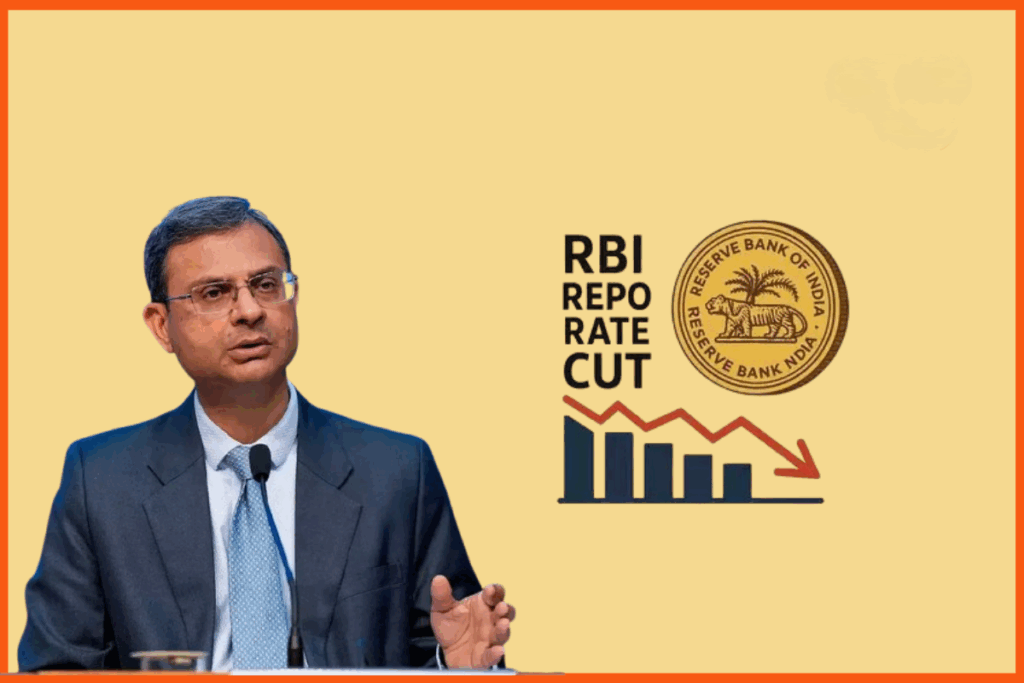
While borrowers celebrate, the recent move where RBI cuts repo rate to 5.25% presents challenges for conservative savers. Individuals relying on fixed deposits (FDs), public provident fund (PPF), or other interest-based instruments may see their returns shrink.
1. Impact on Fixed Deposit (FD) Interest Rates
Historically, bank FD interest rates move in line with the repo rate. With the RBI cuts repo rate to 5.25%, the cost of funds for banks decreases, which may lead to lower interest rates offered on new FDs as banks aim to maintain profit margins.
- Existing FDs: If you already have a fixed deposit, the rate on your investment remains unaffected. However, the window for booking high-yield FDs is closing rapidly.
- New FDs or renewals: Bank FDs booked after the rate cut are likely to offer lower returns. Depending on individual banks’ policies, the reduction may range from 10 to 25 bps.
For retirees and conservative investors, this may require rethinking investment strategies. Those relying heavily on interest income might face pressure on cash flows, especially for long-term financial planning and recurring expenses.
2. Small Savings Schemes
Interest rates on small savings schemes like PPF, NSC, SCSS, and Sukanya Samriddhi Yojana are not directly tied to the repo rate. These rates are set by the Union Ministry of Finance and typically linked to government security yields of corresponding maturities. Rates are usually reviewed quarterly, giving the government a buffer to manage policy and household earnings.
While the RBI cuts repo rate to 5.25% does not immediately affect these instruments, investors should monitor the quarterly reviews, as interest rates on these schemes could be adjusted in response to broader macroeconomic conditions.
Actionable Advice for Savers:
- Consider locking in existing FDs with higher pre-cut rates before banks announce lower rates.
- Explore alternative investment avenues, such as equity-linked savings schemes (ELSS), mutual funds, or other market-linked instruments that may provide better returns over the long term.
- For small savings schemes, patience and regular monitoring of government announcements are key.
RBI Cuts Repo Rate to 5.25%: Balancing Borrowing and Savings Strategically
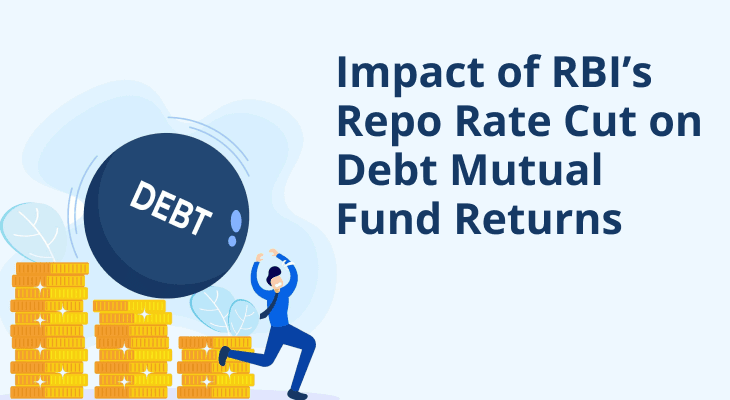
The recent announcement that RBI cuts repo rate to 5.25% highlights the dual nature of monetary policy impacts: cheaper loans versus lower returns on savings. For households, this requires a balanced approach:
For Borrowers:
- Actively check your bank’s transmission of the RBI cuts repo rate to 5.25%.
- Evaluate whether to reduce EMI payments or shorten your loan tenure.
- Consider refinancing options if your current lender delays passing on the benefits of the rate cut.
For Savers:
- Prioritize locking in higher interest rates for FDs before banks revise rates downward due to the RBI cuts repo rate to 5.25%.
- Diversify into instruments that are less sensitive to repo rate cuts, such as market-linked funds or bonds.
- For retirement planning, consider a mix of fixed-income and growth-oriented assets to balance risk and return.
RBI Cuts Repo Rate to 5.25%: Key Economic Implications Explained
The RBI’s Monetary Policy Committee has strategically leveraged the Goldilocks Zone — the sweet spot where inflation is manageable while economic growth is stable — in its latest decision, where RBI cuts repo rate to 5.25%. The intention is clear: stimulate credit flow, boost consumption, and support economic growth.
Key Macroeconomic Outcomes:
Increased Consumer Spending:
With lower borrowing costs following the RBI cuts repo rate to 5.25%, households can comfortably take loans for homes, cars, and consumer goods, injecting liquidity into the market and fueling demand across multiple sectors.
Revival of Capital-Intensive Sectors:
Real estate, construction, and automobile industries are likely to witness heightened activity due to improved affordability. This could lead to higher employment opportunities and increased economic output.
Inflation Management:
Despite the reduction in the repo rate, the RBI carefully balances inflationary pressures. By ensuring credit flows without triggering excessive inflation, the central bank aims to sustain growth while maintaining price stability, as highlighted by the RBI cuts repo rate to 5.25% decision.
Impact on Financial Markets:
Lower repo rates can lead to lower bond yields and influence stock market sentiment positively. Investors may see improved liquidity in the system, supporting market rallies, especially in interest-sensitive sectors, following the announcement that RBI cuts repo rate to 5.25%.
RBI Cuts Repo Rate to 5.25%: Practical Steps for Borrowers and Savers
Home Loan Borrowers:
- Check if your loan is linked to the repo rate, especially after the announcement that RBI cuts repo rate to 5.25%.
- Contact your bank to confirm the transmission timeline.
- Evaluate the benefits of reduced EMI versus a shortened tenure in light of the new rate.
FD Investors:
- Consider renewing existing high-yield FDs immediately before rates adjust downward following the RBI cuts repo rate to 5.25%.
- Avoid locking in long-term FDs at reduced rates.
- Explore alternative investment instruments offering better returns.
Small Savings Investors:
- Monitor quarterly announcements from the Ministry of Finance, as small savings rates may adjust indirectly in response to the RBI cuts repo rate to 5.25%.
- Avoid panic and consider staggered investment strategies to balance returns.
New Borrowers:
- Assess loans based on the revised repo rate after RBI cuts repo rate to 5.25%.
- Leverage lower rates to enhance housing affordability or finance other capital goods.
General Financial Planning:
- Maintain a diversified portfolio to balance growth, risk, and income needs in the context of the RBI cuts repo rate to 5.25%.
- Reassess your short-term and long-term financial goals considering the changing borrowing costs and returns on savings.
For more insights on financial planning after rate changes, Read more on Skinnyzine: https://skinnyzine.com/?p=1719&preview=true&_thumbnail_id=1755
This information is based on the latest monetary policy updates released by the Reserve Bank of India (RBI) (https://www.rbi.org.in), the official authority for banking and monetary regulation in India.