





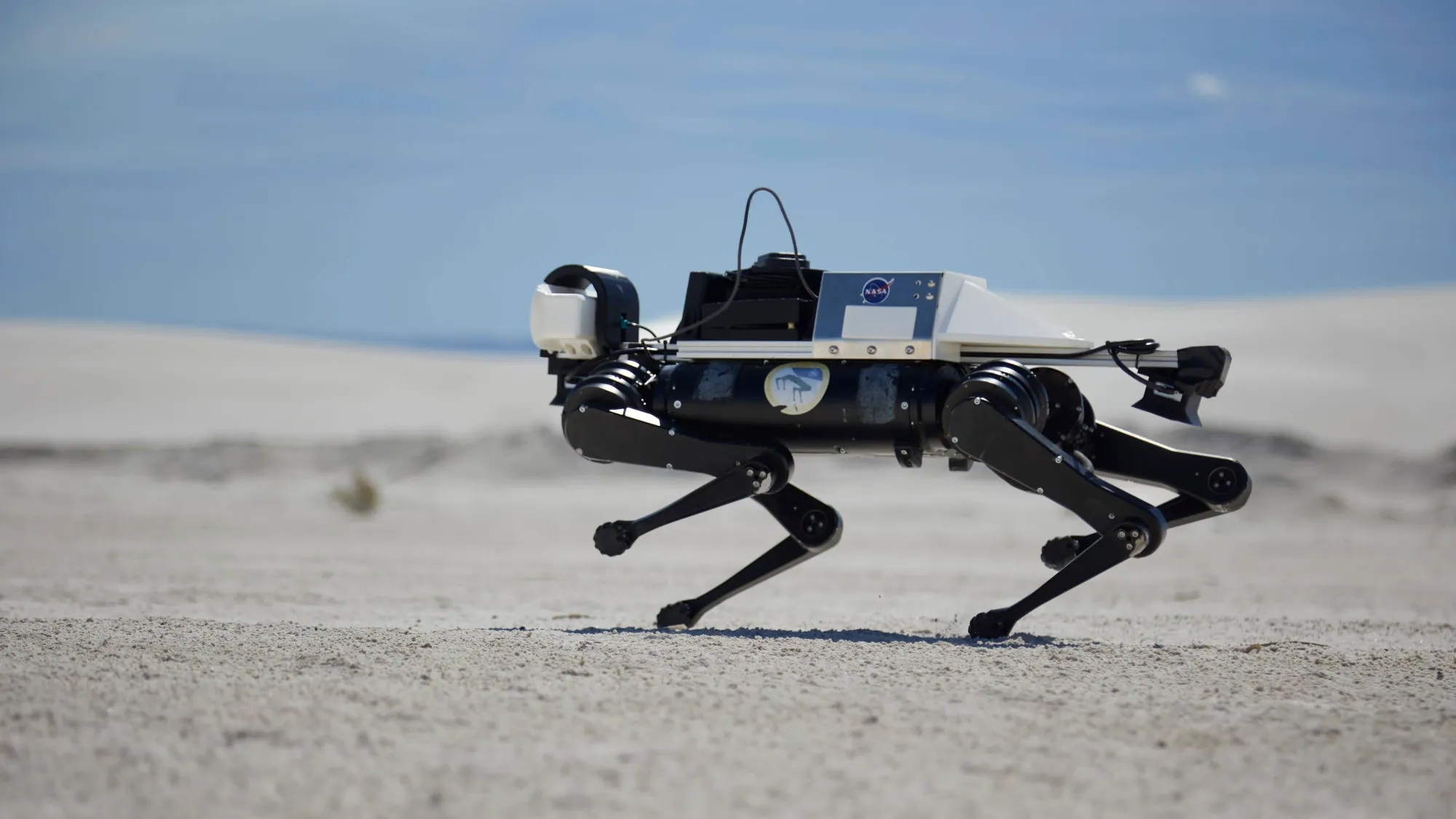
Space exploration has always demanded innovation and resilience. Traditional wheeled rovers have served well on past missions but face limitations when navigating steep, uneven, or rocky landscapes. The introduction of the NASA robotic dog addresses these challenges by offering agility, adaptability, and autonomous intelligence in a compact robotic form.
The robot is designed to mimic the locomotion of real quadrupeds, enabling it to traverse terrains that would be impossible or risky for humans or wheeled machines. This capability makes it ideal for scouting, transporting equipment, and performing other critical tasks on the Moon and Mars.
Advanced Design and Engineering
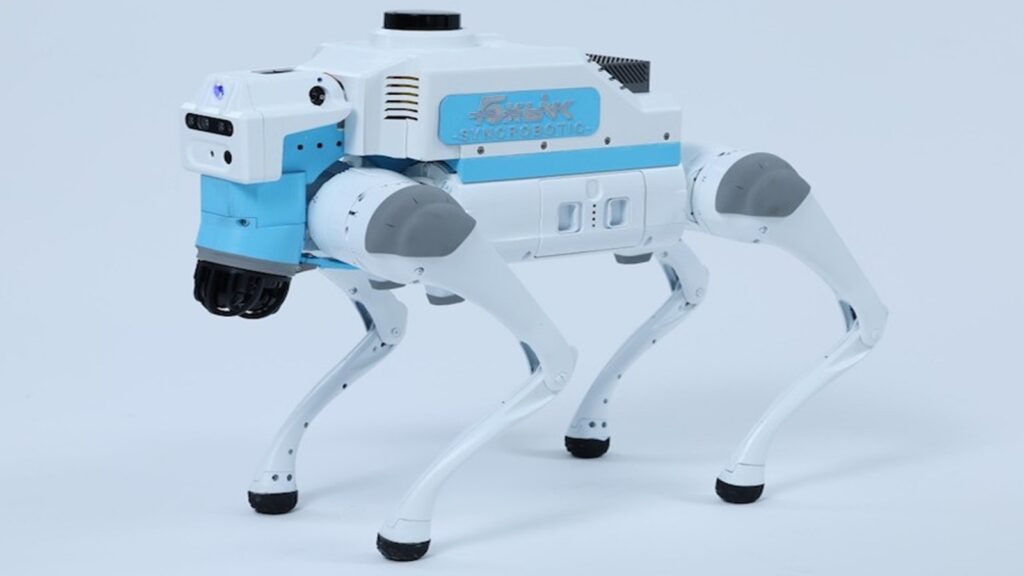
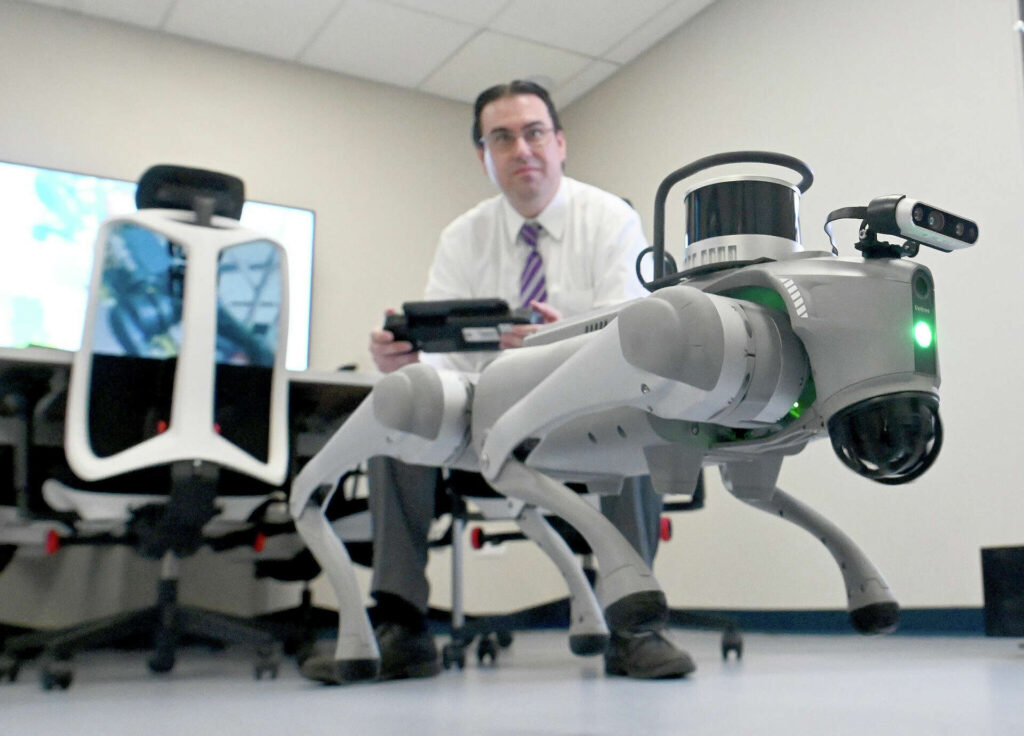
NASA’s robotic dog is a result of cutting-edge engineering that combines mobility, durability, and intelligence. Its four-legged design allows it to handle terrains that would challenge traditional rovers.
Physical Attributes
The robot is equipped with:
- Articulated limbs providing precise movement and balance.
- Shock-absorbing joints to withstand rugged terrain impacts.
- High-torque motors for climbing inclines and navigating obstacles.
- Lightweight yet durable materials for efficiency and endurance.
The structural design ensures that the robot can operate for extended periods while maintaining stability and mobility across various surfaces.
Sensor Integration
Equipped with a sophisticated sensor array, the robotic dog can perceive its surroundings with high accuracy:
- LiDAR and depth cameras for 3D mapping of terrain.
- Inertial Measurement Units (IMUs) to monitor orientation and balance.
- Environmental sensors to detect temperature, dust, and friction.
These sensors enable real-time data processing, helping the robot autonomously navigate and adapt to complex terrains.
Rigorous Testing on Earth

Before deployment on extraterrestrial bodies, NASA conducts extensive testing of the robotic dog on Earth to simulate the conditions of the Moon and Mars.
Rocky Terrains
Rocky hills and uneven ground replicate lunar craters and Martian plains. Testing in such environments evaluates:
- Balance and limb coordination.
- Obstacle detection and avoidance.
- Ability to traverse steep and uneven surfaces.
Sandy and Loose Soil
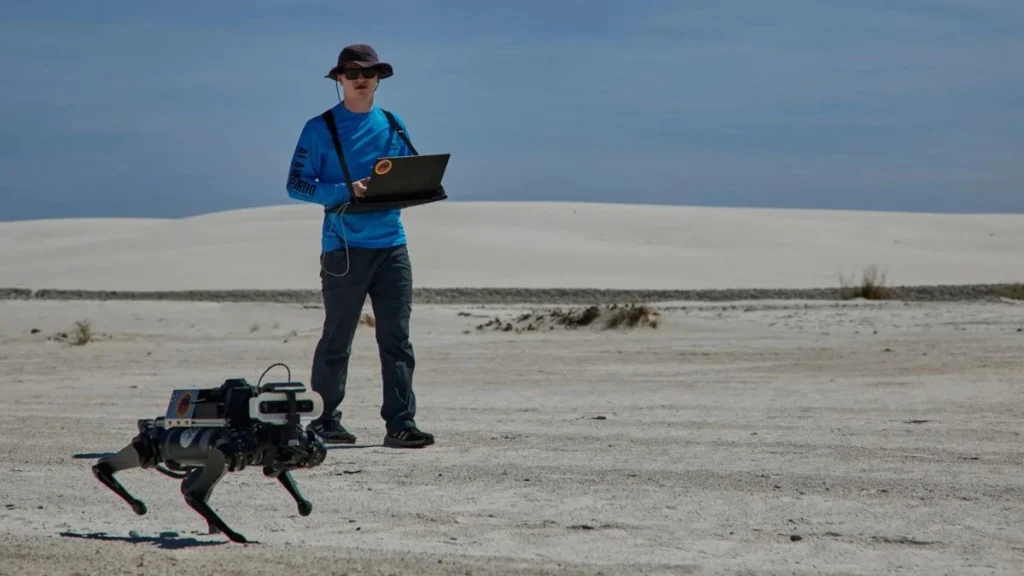
Sandy deserts and volcanic ash beds simulate Martian regolith. Tests in these conditions allow engineers to refine:
- Traction control for stability on shifting soil.
- Step height adjustments for energy efficiency.
- Gait adaptation to prevent slipping or sinking.
Extreme Temperatures
NASA also exposes the robotic dog to extreme cold and heat, simulating lunar nights and Martian days. These tests ensure:
- Electronics and motors function reliably.
- Materials withstand thermal expansion and contraction.
- Sensors continue to provide accurate terrain data.
Autonomous Capabilities
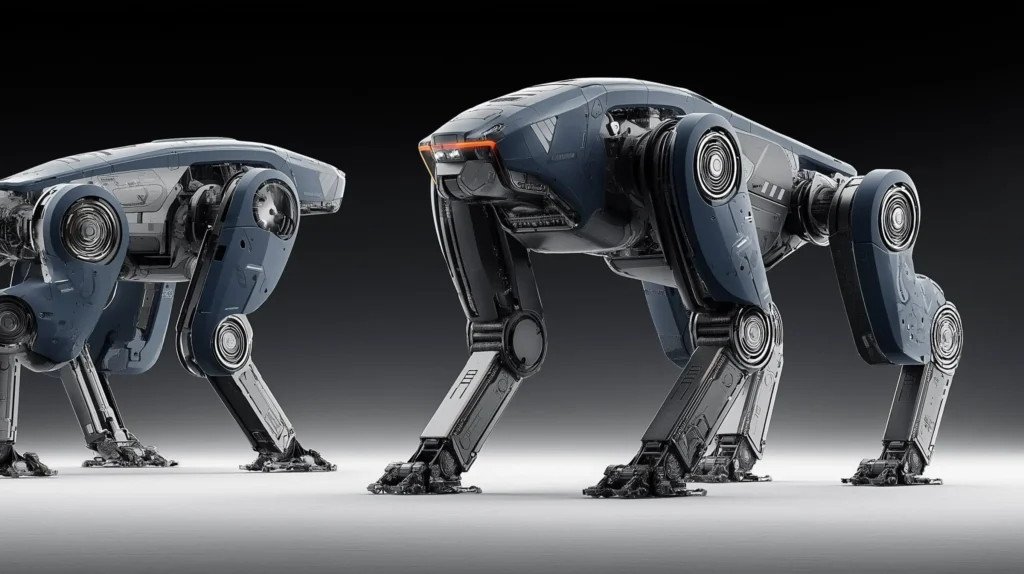
One of the most revolutionary aspects of NASA’s robotic dog is its autonomous operation. Unlike previous rovers that required near-constant human control, this robot can navigate, analyze, and perform tasks independently.
AI-Driven Navigation
The robot’s artificial intelligence enables it to:
- Detect and classify obstacles in real-time.
- Plan optimal paths based on terrain analysis.
- Adjust gait and speed according to surface conditions.
This independence is essential for missions on the Moon and Mars, where communication delays with Earth could impede real-time control.
Collaboration with Astronauts
NASA envisions the robotic dog as a supportive partner for astronauts. Its potential applications include:
- Carrying supplies and equipment.
- Scouting and surveying difficult terrain.
- Setting up scientific instruments in remote or dangerous locations.
This collaboration reduces human risk while increasing mission efficiency and productivity.
Lunar Applications
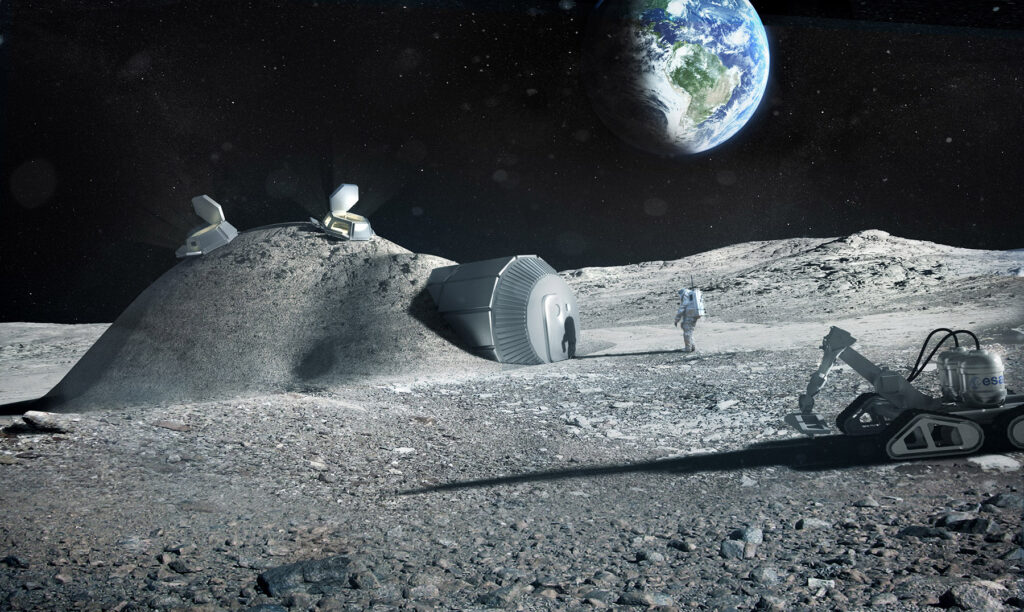
On the Moon, the robotic dog could perform multiple critical functions:
- Surveying craters for landing or base placement.
- Transporting heavy materials across rocky terrain.
- Exploring areas too dangerous for astronauts, such as steep inclines or unstable regolith zones.
Its advanced sensors and AI-driven mobility allow it to collect valuable data while minimizing human exposure to hazards.
Martian Exploration Potential
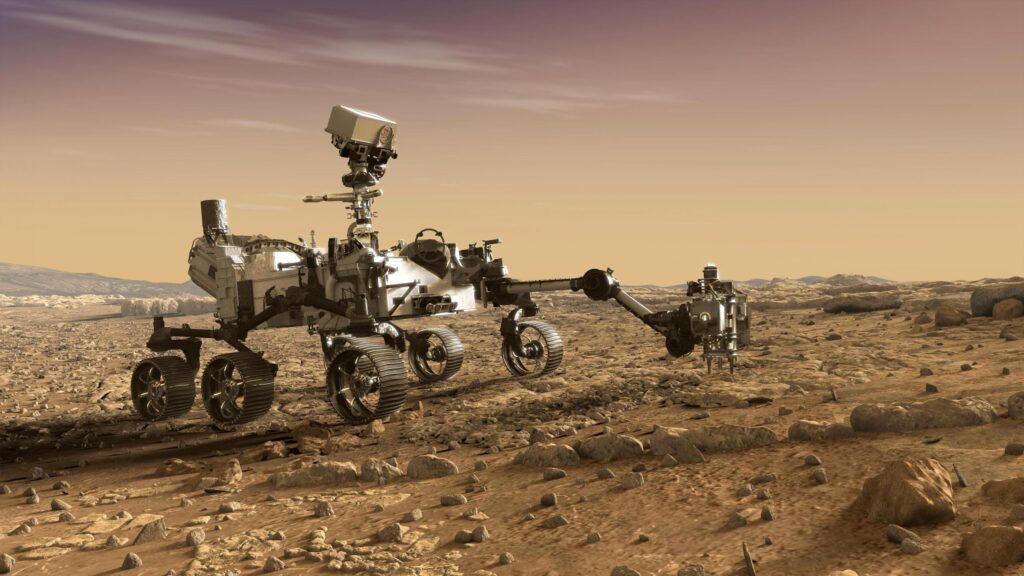
Mars presents unique challenges, including loose soil, dust storms, radiation, and extreme temperature fluctuations. The robotic dog could contribute by:
- Mapping Martian terrain and identifying safe paths.
- Assisting in habitat construction by transporting materials.
- Monitoring environmental conditions and relaying critical data to mission control.
These capabilities make it an indispensable tool for long-duration missions, extending both the reach and safety of human explorers.
Benefits of Robotic Dogs in Space Missions
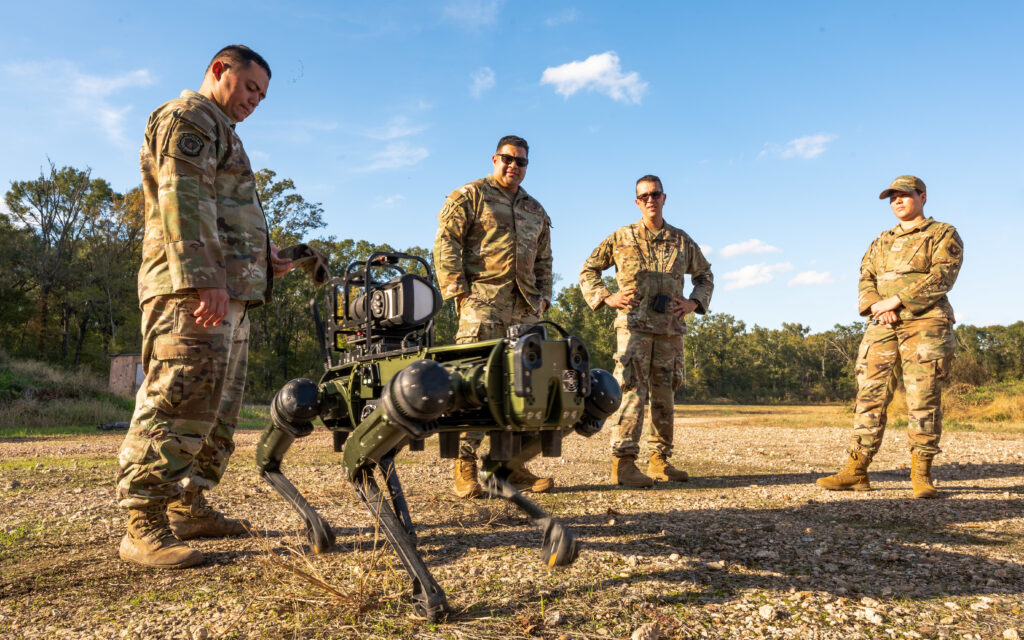
NASA’s robotic dog represents a new generation of space robotics with several advantages:
Enhanced Mobility
Unlike traditional rovers, the four-legged robot can:
- Navigate steep inclines and rocky surfaces.
- Traverse soft or unstable soil without getting stuck.
- Maintain balance and orientation on irregular terrain.
Reduced Human Risk
By taking on high-risk tasks, the robotic dog:
- Minimizes astronaut exposure to hazardous environments.
- Enables reconnaissance in areas too dangerous for human presence.
- Supports safe transport of tools, equipment, and scientific samples.
Collaborative Efficiency
Robots like this enable cooperative operations:
- Multiple robots can work together to survey or build infrastructure.
- Integration with human teams ensures tasks are completed faster.
- Autonomous decision-making reduces dependence on constant human oversight.
Future of Robotic Dogs in Space Exploration
The robotic dog is part of a broader vision where autonomous machines support human space exploration in diverse roles.
Integration with Other Robots
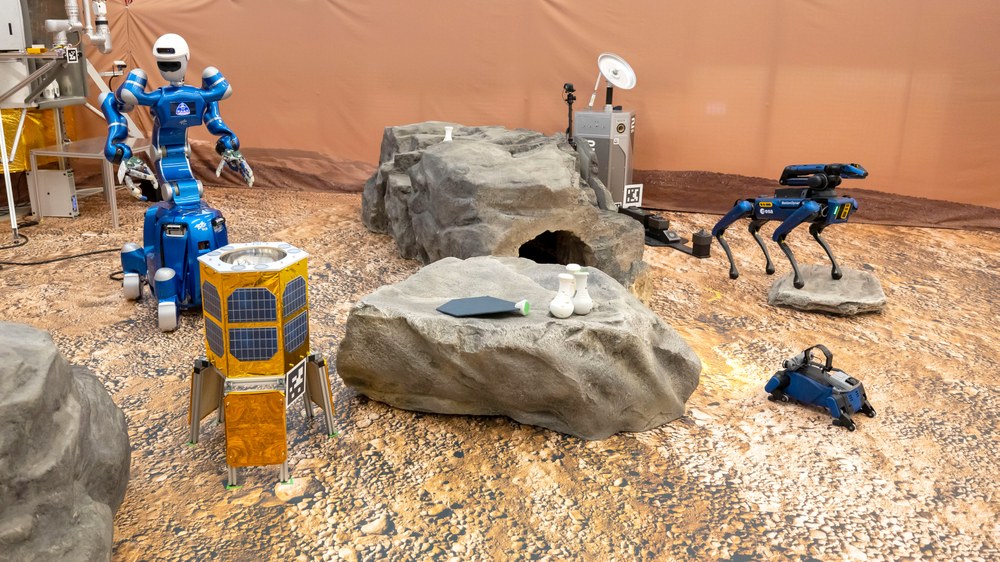
NASA anticipates missions where robotic dogs operate alongside drones, rovers, and humanoid robots. Such coordination allows:
- Simultaneous exploration of multiple sites.
- Rapid deployment of equipment and infrastructure.
- Efficient scientific data collection in hazardous areas.
Long-Term Lunar and Martian Habitats
For sustainable colonies, robotic dogs will:
- Assist in building habitats.
- Transport essential supplies.
- Monitor and maintain structures in difficult-to-reach locations.
Their presence ensures that long-term space missions are safer, faster, and more efficient.
Challenges and Limitations
Despite its advanced design, NASA’s robotic dog faces several challenges:
Power and Energy
Operating high-torque motors and advanced sensors requires significant energy. Engineers are exploring:
- Efficient battery management systems.
- Integration with solar panels for extended autonomy.
- Energy optimization strategies during movement and task execution.
Environmental Hazards
The Moon and Mars present harsh conditions:
- Lunar dust can interfere with joints and electronics.
- Extreme temperatures affect materials and sensors.
- Martian storms can reduce visibility and impair navigation.
Ongoing research focuses on improving materials and protective measures to ensure longevity and reliability.
Communication Constraints
Communication delays, especially on Mars, require that the robot operate autonomously while maintaining mission objectives. This emphasizes the need for robust AI algorithms and independent problem-solving capabilities.
Scientific and Technological Implications
The robotic dog project contributes to both space exploration and Earth-based applications:
Earth Applications
- Disaster response in rugged or dangerous terrain.
- Environmental monitoring in extreme conditions.
- Remote exploration of volcanic or mountainous regions.
Inspiring STEM Innovation
The project also serves as a source of inspiration for STEM education, demonstrating the integration of robotics, AI, and space exploration. It encourages young engineers and scientists to explore creative solutions to complex problems.