



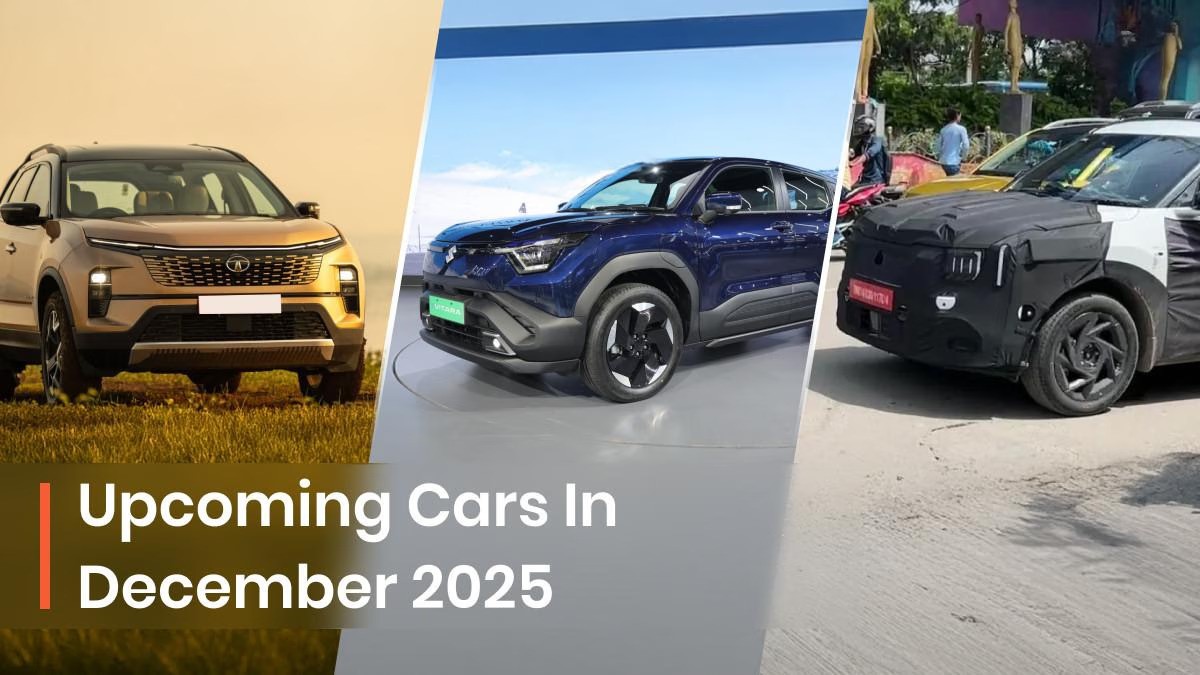
As we step into the final month of 2025, the Indian automotive market is gearing up for some of the most anticipated vehicle launches and unveilings of the year. December 2025 promises to be a thrilling month for car enthusiasts, with a mix of electrifying new technology, updated powertrain options, and a global unveiling that will set the stage for the next generation of SUVs.
Three standout events are set to grab the spotlight: Maruti Suzuki’s first-ever all-electric offering, the e Vitara; Tata Motors’ introduction of petrol powertrains for its flagship Harrier and Safari SUVs; and the global unveiling of the all-new Kia Seltos. Let’s take a detailed look at each of these exciting updates, exploring design, features, performance, and pricing expectations.
1. Maruti e Vitara: Maruti Suzuki’s Electric Revolution in India
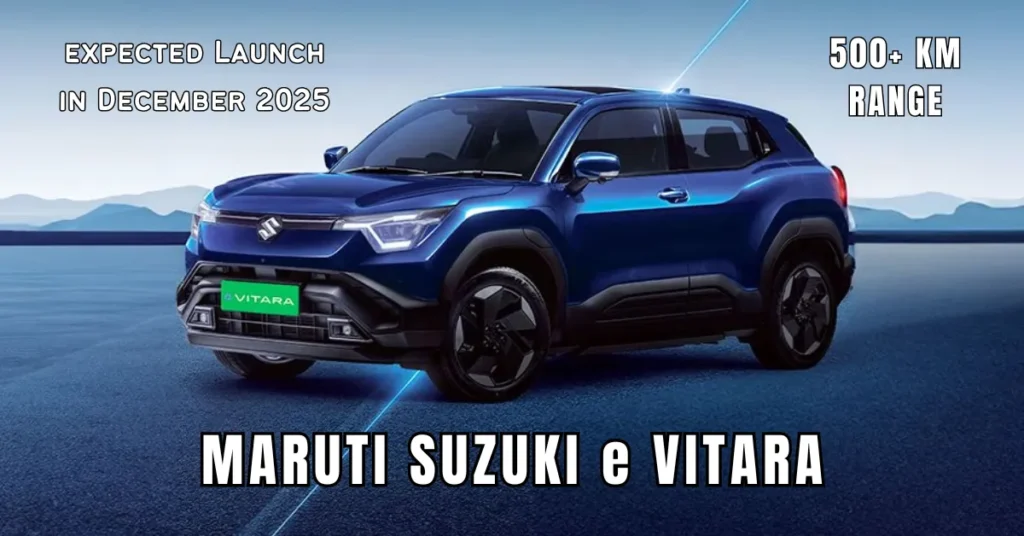
Expected Launch: December 10, 2025
Expected Price: ₹17 lakh to ₹22.5 lakh
Maruti Suzuki, India’s largest automaker, is finally stepping into the electric vehicle (EV) segment with the much-awaited Maruti e Vitara. This launch is a significant milestone for the company, marking its transition into electric mobility, a segment witnessing rapid growth in India due to government incentives and increasing environmental awareness.
Design and Styling
The e Vitara will adopt Maruti’s new design philosophy, combining modern aesthetics with a practical SUV silhouette. Key design elements include:
- LED Projector Headlights and Y-shaped DRLs: Adding a futuristic appeal and enhancing nighttime visibility.
- Wraparound LED Tail Lamps: Contributing to the modern, premium look while improving rear visibility.
- 18-inch Dual-tone Alloy Wheels: Providing a sporty stance and a confident road presence.
- Glass Roof: A fixed panoramic roof that enhances the cabin’s openness and provides a premium feel.
The exterior design cues not only highlight Maruti’s commitment to style but also indicate the company’s readiness to compete with international EV offerings in India.
Interior and Features
The Maruti e Vitara’s interior promises a blend of technology and luxury. Key highlights include:
- Dual Screens: A 10.25-inch touchscreen infotainment system paired with a 10.1-inch digital instrument cluster for a modern, tech-forward cabin experience.
- Ventilated Front Seats: Ensuring comfort even in hot weather conditions.
- 10-way Power Adjustable Driver Seat: Allowing for personalized seating ergonomics.
- Infinity Sound System: Enhancing the audio experience with premium sound quality.
The cabin emphasizes both driver convenience and passenger comfort, positioning the e Vitara as a premium electric SUV in its segment.
Safety and Driver Assistance
Safety is a top priority in the Maruti e Vitara, which will feature:
- 6 Airbags: Ensuring comprehensive crash protection for front and rear occupants.
- Level 2 ADAS (Advanced Driver Assistance Systems): Including features such as adaptive cruise control, lane-keeping assist, and automated emergency braking.
These features aim to provide a balance of safety, convenience, and futuristic technology, aligning the e Vitara with international EV standards.
Powertrain and Range
Maruti will offer two battery pack options:
- 49 kWh Standard Battery: Suitable for daily urban commuting.
- 61 kWh Long-range Battery: Promising an estimated range of over 500 km on a single charge, making it ideal for long-distance travel.
Charging infrastructure remains a key factor for EV adoption in India, and Maruti plans to offer compatibility with fast chargers, enabling rapid charging in under an hour for the long-range battery.
Market Outlook
The Maruti e Vitara is expected to be competitively priced between ₹17 lakh and ₹22.5 lakh, making it one of the most accessible electric SUVs in India. Analysts predict that the e Vitara will appeal to urban professionals, eco-conscious buyers, and families seeking a reliable electric SUV with strong after-sales support.
Maruti’s move into EVs also signals a shift in the Indian automotive industry, as traditional manufacturers increasingly embrace electrification. With government incentives and rising fuel prices, the timing of the e Vitara launch could not be better.